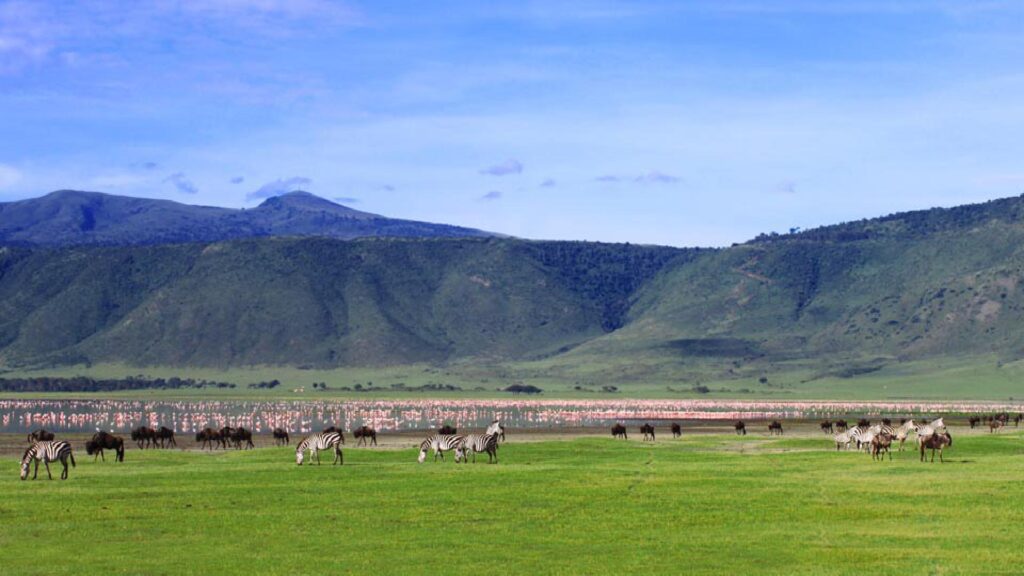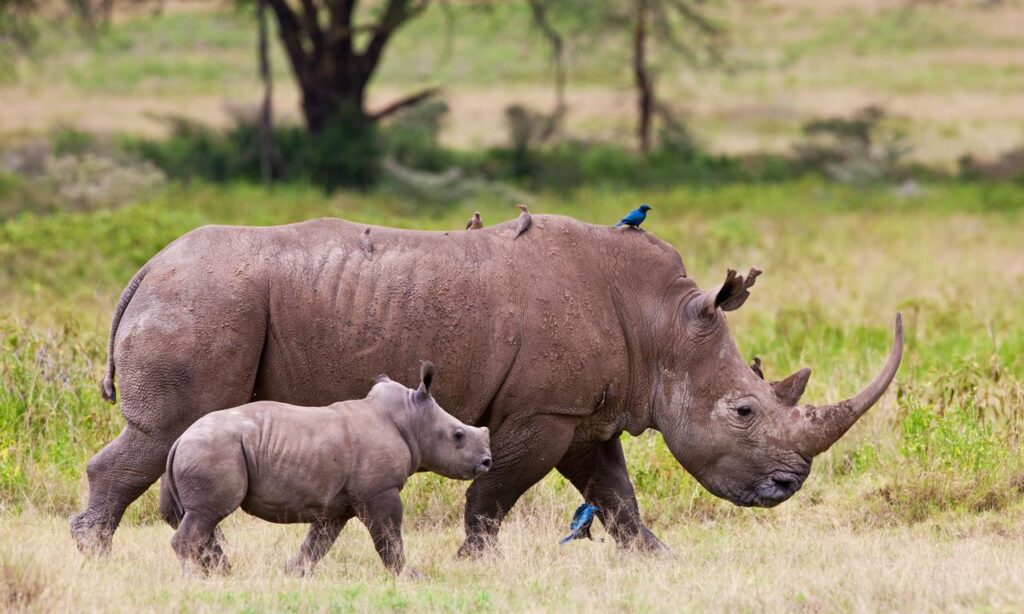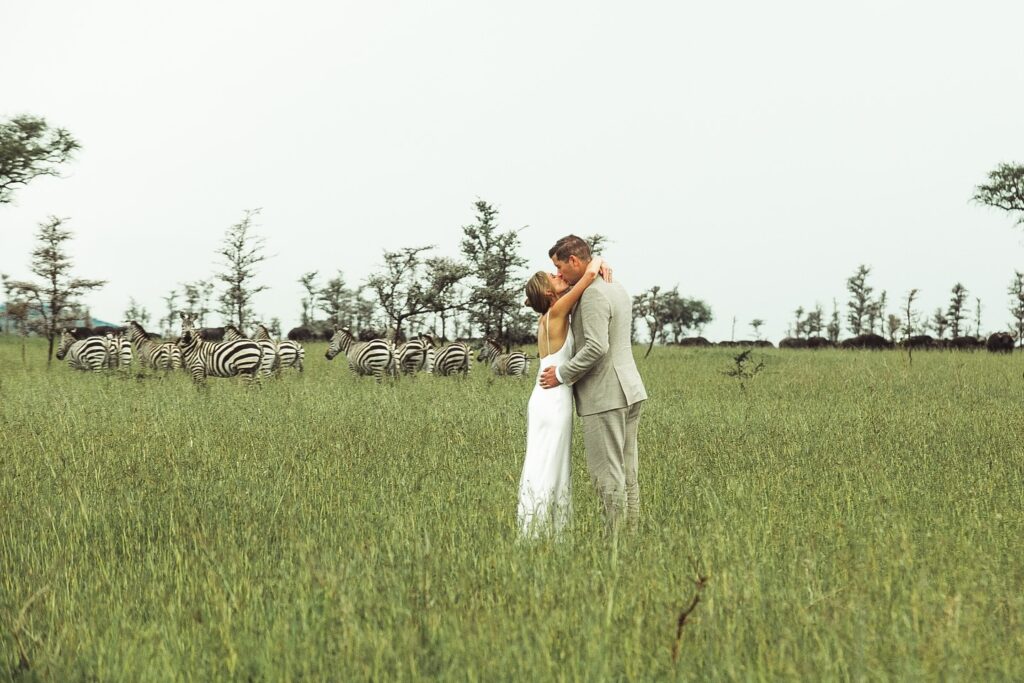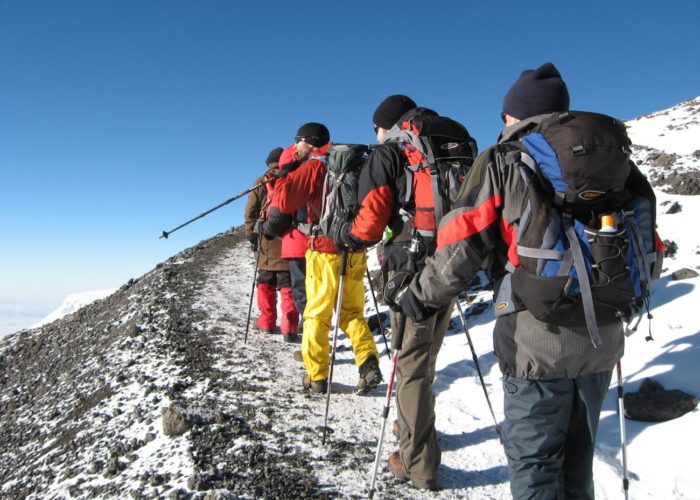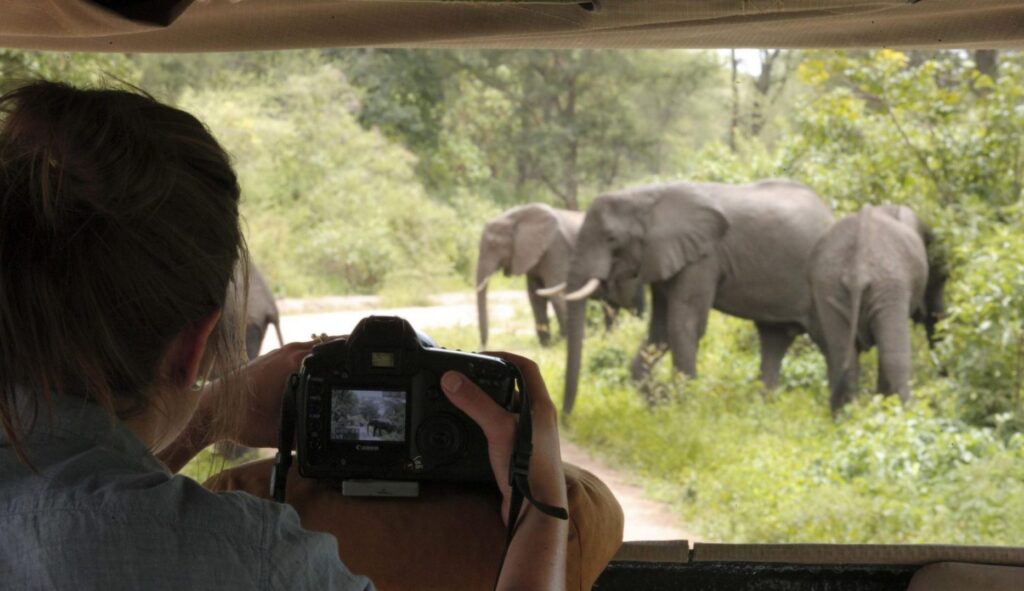
Unlike the Serengeti, the Ngorongoro Crater can genuinely be visited year-round with excellent results — its enclosed ecosystem means most resident wildlife never leaves. That said, seasonal conditions still shape crowd levels, scenery, and how easy animals are to spot. Afrima Luxury Safari helps you choose the right window based on what matters most to you: guaranteed dry-weather viewing, lighter crowds, or lower rates.
Thinner vegetation across the crater floor makes it significantly easier to spot predators and grazing herds. This is also the busiest period on the crater floor — because the caldera is a confined 100-square-mile space, the effect of more vehicles is more noticeable here than in the open plains of the Serengeti. Expect cooler temperatures on the crater rim, especially in early morning.
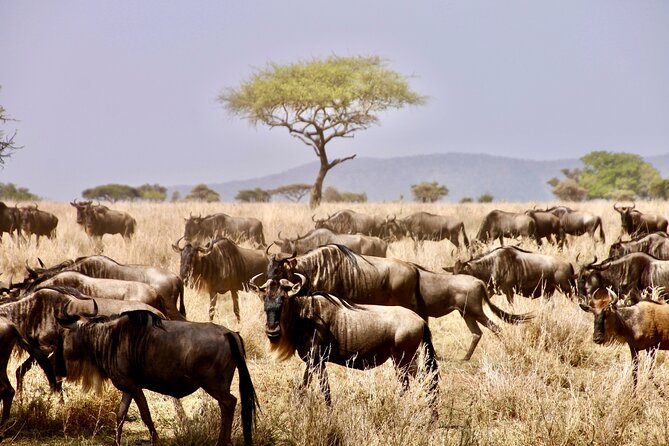
A short, reliable dry window falls between the “short rains” of November/December and the “long rains” of March–May. This period brings green scenery, coincides with the wildebeest calving season in the nearby Serengeti and Ndutu areas, and — importantly — draws noticeably fewer vehicles onto the crater floor than the mid-year peak. Many experienced safari planners consider this the best-kept-secret window for visiting Ngorongoro.
| Period | Conditions | Best For |
|---|---|---|
| Jun – Oct | Dry, cool mornings, clear skies | Easiest wildlife spotting; busiest crowds |
| Nov – Dec | Short rains, green | Birdwatching, fewer crowds than peak |
| Jan – Feb | Short dry window, green | Best all-around balance; calving season nearby |
| Mar – May | Long rains, lush | Photography, lowest rates, quietest crater floor |
If guaranteed dry weather and maximum visibility matter most: Visit during June to October, and be prepared for more vehicles on the crater floor.
If you want a quieter experience without sacrificing good conditions: January to February is widely regarded as the sweet spot — dry enough for excellent game viewing, green enough for beautiful scenery, and considerably less crowded.
If you’re on a budget or prioritize solitude: March to May offers the lowest rates and thinnest crowds, with the trade-off of taller grass and occasional heavy rain.
If you’re combining Ngorongoro with the Serengeti: Since most travelers pass through Ngorongoro en route to or from the Serengeti, timing your visit around the migration calendar (rather than Ngorongoro’s seasons alone) often makes the most sense — the crater delivers strong wildlife viewing in almost any month you choose.
Is Ngorongoro Crater good to visit in the rainy season? Yes — because the crater’s ecosystem is largely self-contained, wildlife density stays strong even during the rains, unlike more migratory parks. The main trade-off is taller grass, which can make spotting some predators harder.
When are crowds lowest at Ngorongoro Crater? March to May (the long rains) sees the fewest vehicles on the crater floor, followed closely by the November–December short rains period.
Do I need to time my Ngorongoro visit around the Great Migration? Not necessarily — the crater’s resident wildlife is visible year-round. However, if you’re combining Ngorongoro with a Serengeti safari, it makes sense to plan your overall trip dates around the migration and simply fit Ngorongoro in en route.
Afrima Luxury Safari builds custom Northern Circuit itineraries around your priorities — wildlife, crowds, or budget. [Get your free custom Ngorongoro safari quote today.
There are no results matching your search
WhatsApp us