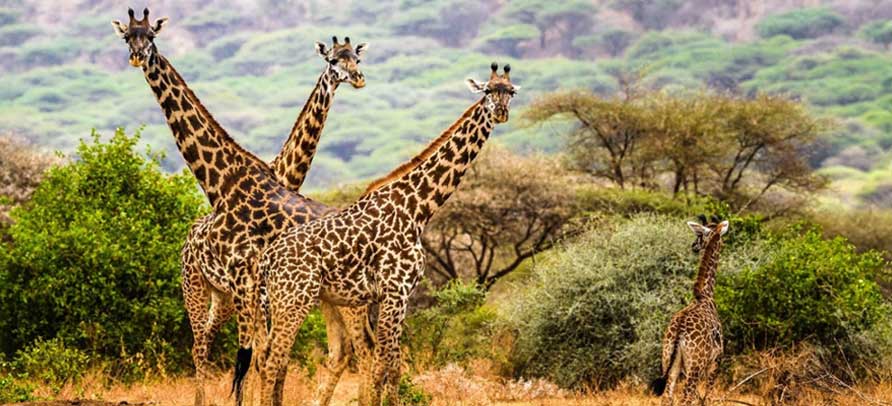
There is no single “best month” to visit the Serengeti — the right answer depends entirely on what you want to see. The park covers four distinct regions, and the Great Migration moves through them on a broadly predictable annual cycle. Afrima Luxury Safari builds every Serengeti itinerary around this calendar, matching your travel dates to the right region of the park.
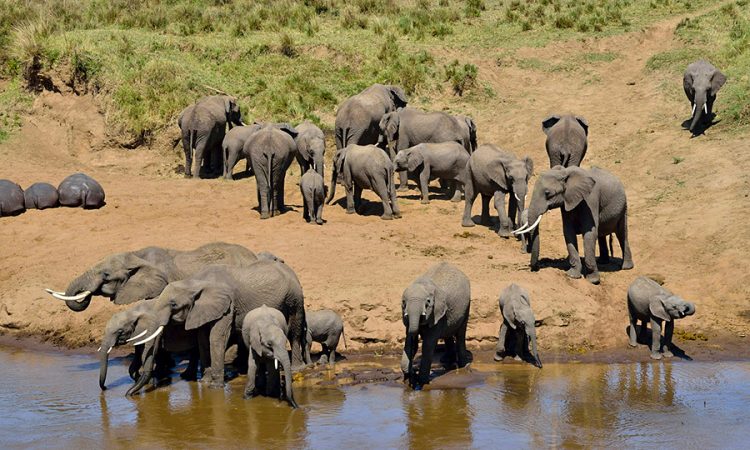
This is the classic safari season. As vegetation thins and water becomes scarce, animals concentrate around rivers and remaining waterholes, making sightings far easier and more reliable. Mornings and nights turn cold, so pack warm layers for early game drives, but days stay sunny and dry.
July through September marks the height of the dry season and is when the famous Mara River crossings happen in the Northern Serengeti, as the migration pushes toward Kenya’s Masai Mara. This is peak season — expect the busiest crowds of the year, particularly around Seronera in Central Serengeti.
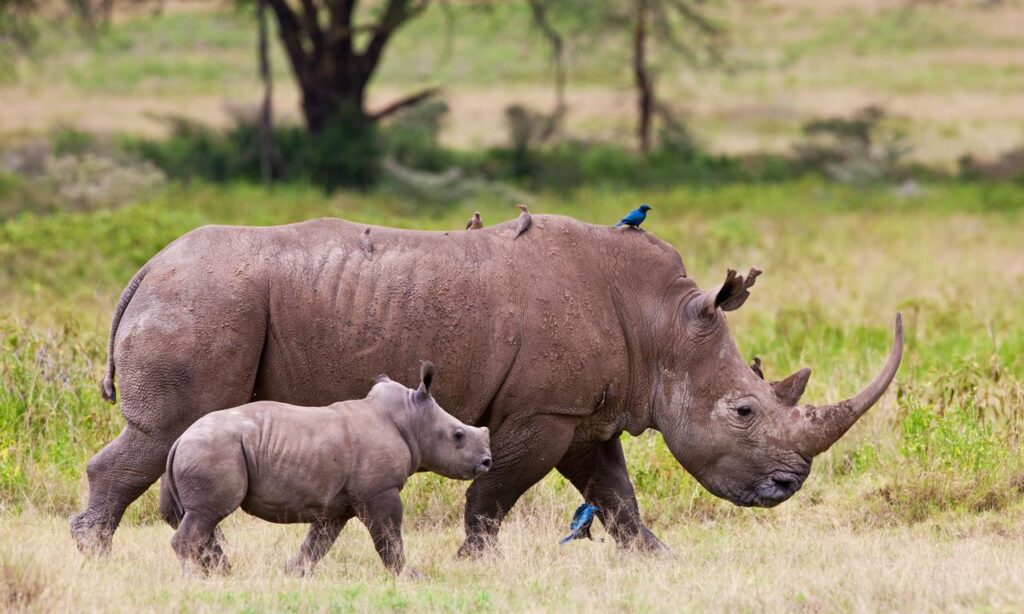
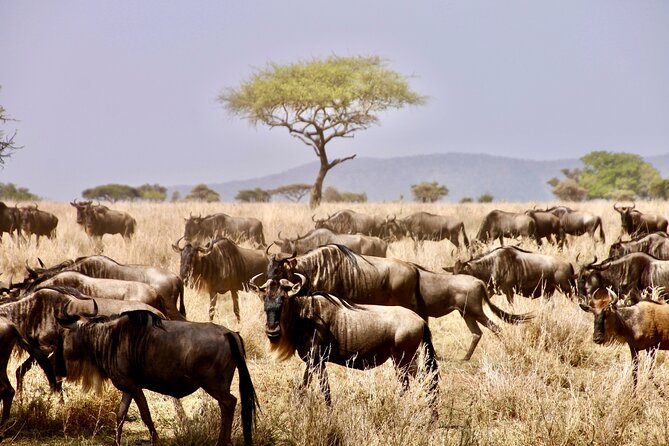
Down in the southern plains and the neighboring Ndutu region, hundreds of thousands of wildebeest calves are born within a matter of weeks on nutrient-rich grasslands. This concentration of newborns draws intense predator activity, making it one of the most dramatic times of year to witness lion, cheetah, and hyena hunts up close.
Short afternoon storms bring the plains to life in vivid green, migratory birds arrive from across the globe, and lodge rates drop noticeably compared to peak season. This period suits travelers who prioritize dramatic skies, birdlife, and lower costs over guaranteed migration viewing.
| Month | Region to Watch | Highlight |
|---|---|---|
| Jan – Feb | Southern Serengeti / Ndutu | Calving season, intense predator action |
| Mar – May | Central & Western Serengeti | Long rains, lush scenery, lowest crowds |
| Jun – Jul | Western Corridor | Migration moves north, herds crossing the Grumeti River |
| Aug – Sep | Northern Serengeti | Mara River crossings, peak dry season |
| Oct | Northern Serengeti | Tail end of dry season, still excellent viewing |
| Nov – Dec | Central Serengeti | Short rains, birdlife arrives, herds moving south |
If seeing the Great Migration river crossings is your top priority: Aim for July to September and stay in the Northern Serengeti.
If you want to witness new life and dramatic predator behavior: Visit the Southern Serengeti/Ndutu area in late January or February.
If budget and fewer crowds matter most: Consider April or May, keeping in mind that some camps close and wildlife is more dispersed.
If you’re combining with other parks: The Serengeti pairs naturally with a stopover at Ngorongoro Crater (on the road route) and with Tarangire or Lake Manyara as part of a broader Northern Circuit itinerary — timing your Serengeti dates around the migration still gives you flexibility on when to add these stops.
What is the single best month to visit the Serengeti? Many safari specialists point to September as the strongest all-around pick — it combines dry-season game viewing, river crossing activity in the north, and slightly thinner crowds than peak August.
Can I see the migration year-round? Yes, in different forms. The migration is a continuous cycle — you’ll find calving in the south (Jan–Feb), movement through the west (Jun–Jul), and river crossings in the north (Jul–Sep) — so there’s always some stage of the migration to witness, provided you’re in the right area.
Is the Serengeti worth visiting in the rainy season? Yes, particularly for photographers and birders. The green season brings dramatic skies, lush scenery, migratory birds, and significantly lower rates, though wildlife is more spread out and harder to predict.
Afrima Luxury Safari matches your travel dates to the right region of the park for the experience you want. [Get your free custom Serengeti safari quote today.]
There are no results matching your search
WhatsApp us