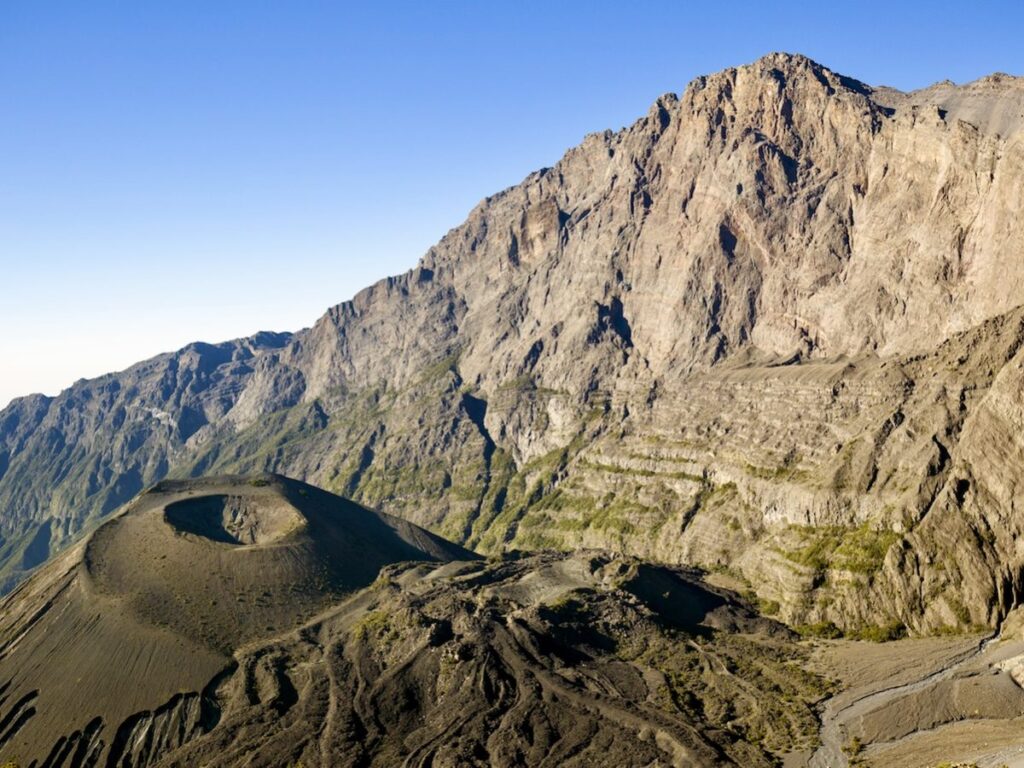
Preparing for an African safari is exciting, especially when you are getting ready to explore Tanzania’s famous wildlife destinations. From the endless plains of Serengeti National Park to the elephant-rich landscapes of Tarangire and the spectacular Ngorongoro Crater, every safari offers something different.
However, knowing what to pack can make a significant difference to your experience. Safari days often begin early in the morning, when temperatures can be cool, before becoming warmer as the day progresses. Dust, changing weather conditions, long game drives and different accommodation settings also influence what you should bring.
You do not need to pack an entire wardrobe or purchase expensive safari equipment. The most important things are comfortable clothing, suitable footwear, sun protection, personal essentials and the right travel documents.
Whether you are visiting Tanzania for the first time or returning for another wildlife adventure, this Tanzania safari packing list will help you prepare for your journey.
Choosing the right clothing is one of the most important parts of preparing for a Tanzania safari. Your clothes should be comfortable, breathable and suitable for spending several hours in a safari vehicle or walking around your accommodation.
The weather can change throughout the day, so packing clothes that can be layered is a good idea.
Neutral colours such as khaki, beige, brown, olive green and light grey are popular choices for safari clothing.
These colours are practical because they show less dust than darker clothing and blend naturally with the surrounding environment. However, you do not need to buy an entirely new safari wardrobe.
Avoid wearing very bright colours if you prefer a more traditional safari look. It is also sensible to avoid camouflage clothing, as it is associated with military use and may be restricted in some African countries.
Pack lightweight, breathable shirts and T-shirts for daytime game drives. Cotton and suitable moisture-wicking fabrics can help you remain comfortable in warm conditions.
Long-sleeved shirts are particularly useful because they offer additional protection against the sun, dust and insects.
Lightweight safari trousers are ideal for game drives and general outdoor activities. Convertible trousers with removable lower sections can also be useful.
You can bring shorts for warmer afternoons and relaxing at your lodge or camp. However, long trousers are generally more practical for early morning activities and areas with insects or thick vegetation.
Tanzania’s safari destinations can become surprisingly cool, particularly during early morning game drives and at higher elevations.
Ngorongoro, for example, can be much colder than lower-lying destinations because of its altitude.
Bring:
These items are particularly useful during the cooler months and when visiting highland areas.
For a typical 5–7-day safari, the following is a useful starting point:
| Clothing item | Suggested quantity |
|---|---|
| Lightweight T-shirts | 3–5 |
| Long-sleeved shirts | 2–3 |
| Safari trousers | 2–3 |
| Shorts | 1–2 |
| Underwear | 5–7 sets |
| Socks | 4–6 pairs |
| Lightweight fleece or sweater | 1 |
| Warm jacket | 1 |
| Sleepwear | 1–2 sets |
| Swimwear | 1 |
| Comfortable casual outfit | 1 |
You can adjust these quantities depending on your trip duration, laundry arrangements and personal preferences.
The type of footwear you need depends on your planned activities.
For a traditional safari involving game drives, you do not need heavy mountain hiking boots. Comfortable shoes that are easy to wear and suitable for occasional walking are usually sufficient.
Consider bringing:
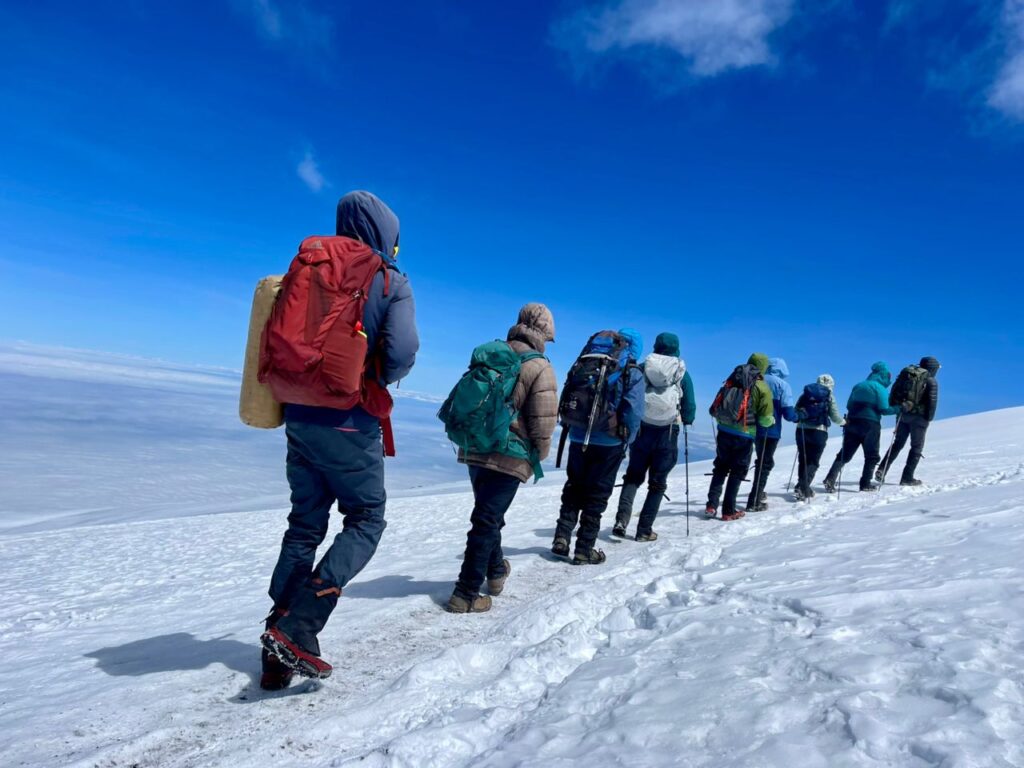
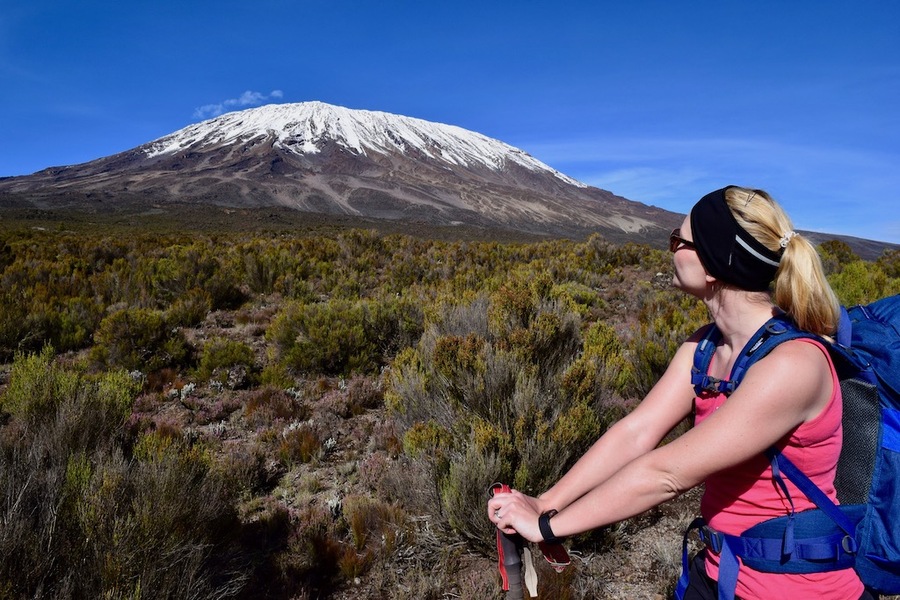
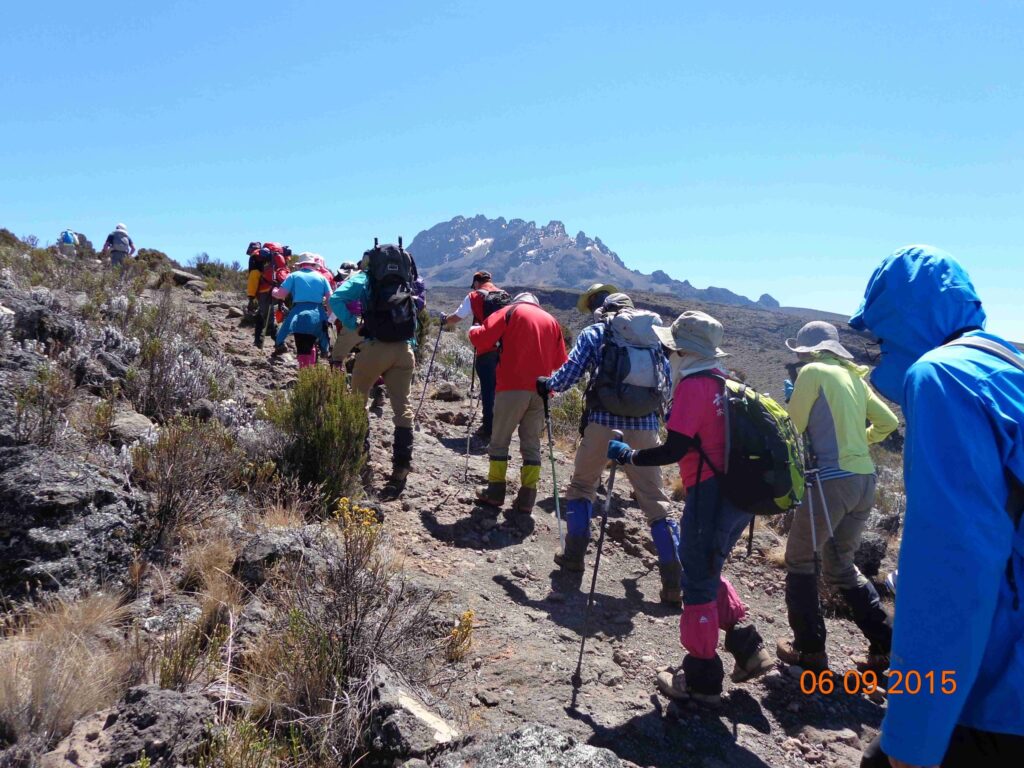
If you are combining your safari with Mount Kilimanjaro climbing or another trekking adventure, you will need separate technical footwear and equipment appropriate for that activity.
Avoid bringing brand-new shoes that you have not worn before. Comfortable, familiar footwear is usually the better option.
The African sun can be strong, even during cooler months. Spending several hours in an open-sided safari vehicle exposes you to sunlight, so adequate protection is important.
Include the following:
Bring sunscreen with SPF 30 or higher. Apply it before leaving your accommodation and reapply according to the product instructions, especially after sweating or extended outdoor exposure.
A good pair of sunglasses helps protect your eyes from sunlight and glare. Polarised sunglasses can be useful for reducing glare during photography and wildlife viewing.
A hat protects your face and head from direct sunlight. A wide-brimmed hat offers more coverage than a standard cap.
A lip balm with SPF can help protect your lips from sun exposure and dry conditions.
A scarf or buff can be useful for protecting your neck and face from dust during game drives.
Although the level of insect activity varies by location and season, insect protection is an important part of safari preparation.
Pack the following:
Malaria is present in parts of Tanzania. Speak with a qualified healthcare professional or travel clinic before your trip about malaria prevention and any recommended vaccinations or other health precautions.
Do not rely on insect repellent alone. Depending on your destination, accommodation and season, using long sleeves and trousers, particularly in the evening, can provide additional protection.
If you wear prescription glasses or contact lenses, bring a spare pair of glasses and sufficient contact lens supplies.
A Tanzania safari offers excellent opportunities to photograph wildlife, landscapes and unforgettable moments. You do not need professional equipment to enjoy safari photography, but a few useful accessories can improve your experience.
A camera with a telephoto lens is particularly useful for photographing animals from a distance.
A lens in the 200–400mm range can be a practical option for wildlife photography, although the best choice depends on your camera system and photography experience.
If you prefer using your smartphone, modern phone cameras can also capture impressive safari photographs, particularly when animals are relatively close.
Binoculars are among the most useful safari accessories. They help you observe animals and birds that may be far from the vehicle.
A pair of 8×42 or 10×42 binoculars is a popular choice for general wildlife viewing.
Game drives can last several hours, and you may take more photographs than expected.
Bring:
A power bank is useful for keeping your phone and other small devices charged during long travel days.
Also bring the chargers for your devices and a suitable multi-port charger if you have several electronics.
Tanzania generally uses Type D and Type G electrical sockets, with a standard supply of approximately 230V and 50Hz.
Bring a suitable travel adapter for your devices. Check the voltage requirements of your electronics before travelling.
Some safari lodges and camps have limited charging facilities, so it is worth checking with your accommodation provider before departure.
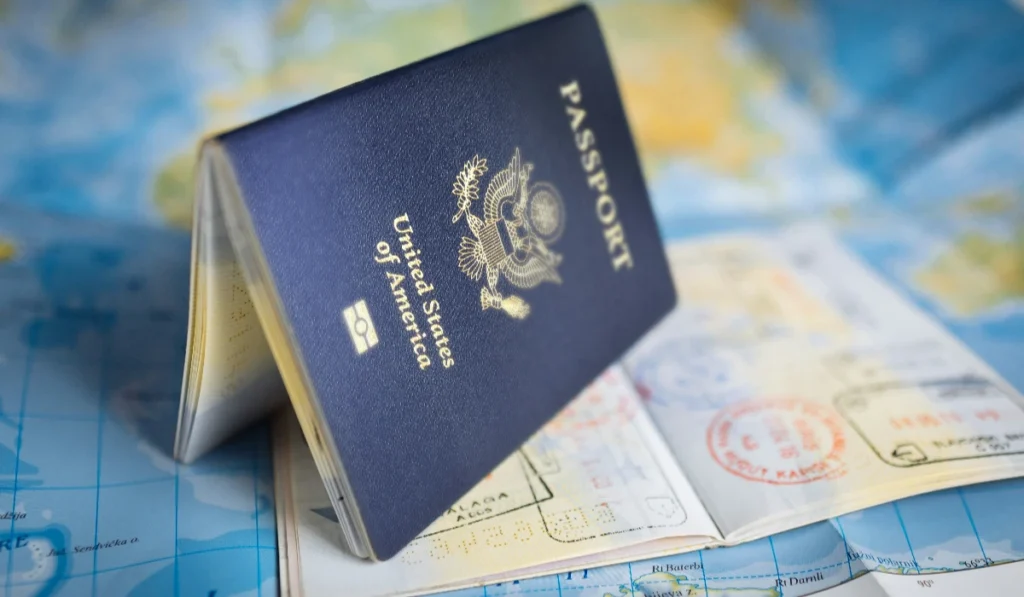
Travel documents are just as important as clothing and equipment. Keep them organised and accessible throughout your journey.
Your essential travel documents should include:
It is a good idea to keep digital copies of important documents on your phone or in secure cloud storage. You can also carry printed copies as a backup.
If you are travelling with expensive camera equipment or other valuables, check your travel insurance policy to understand what is covered.
Most established safari lodges and luxury tented camps provide basic toiletries, but it is still advisable to bring your personal essentials.
Consider packing:
If you have specific skincare or haircare products that you prefer using, bring them rather than relying on finding the same products during your safari.
A small toiletry bag makes it easier to keep everything organised.
Tanzania has different climates and landscapes, so your packing list may change depending on the destinations included in your itinerary.
<escape> </escape>
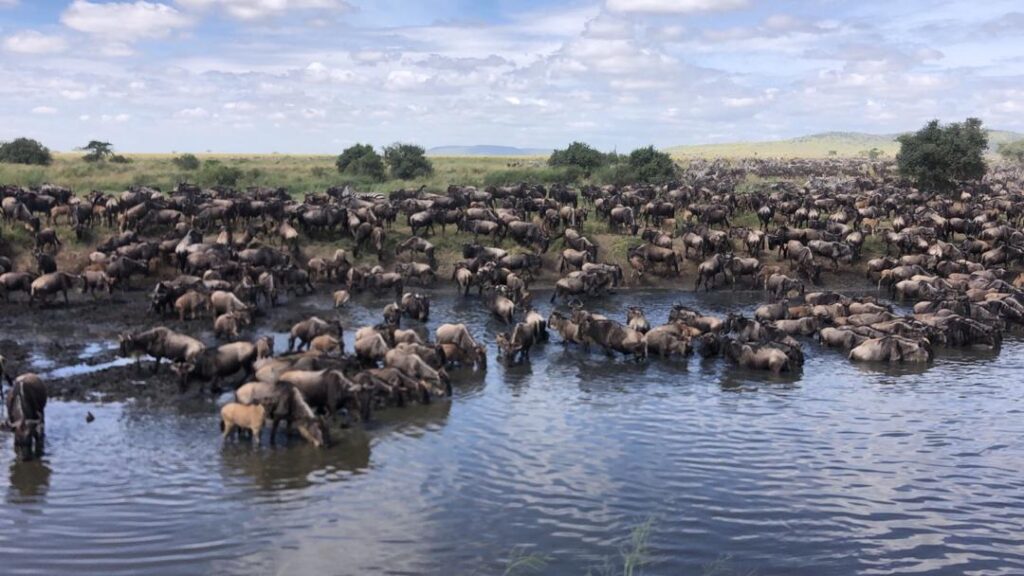
The Serengeti is known for its vast open plains, wildlife and the Great Migration. Daytime temperatures can be warm, while early morning and evening game drives can be cool.
Pack lightweight clothing, a warm layer, sunglasses, sunscreen and a hat. A camera with a telephoto lens and binoculars will also be useful.
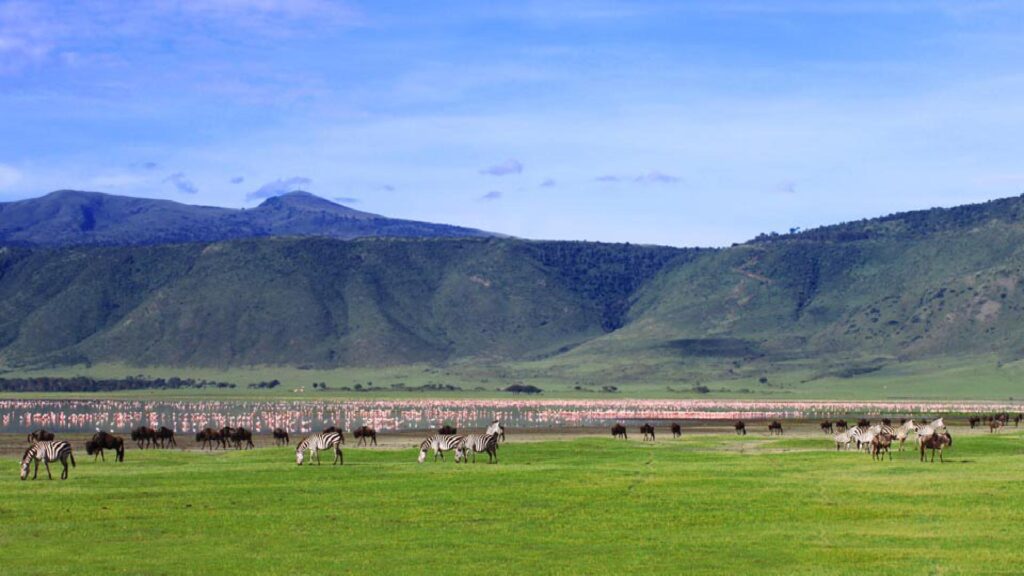
Ngorongoro sits at a relatively high altitude, making temperatures cooler than in many other safari destinations.
Warm clothing is particularly important for early morning crater game drives. Bring a fleece, sweater or warm jacket alongside your regular safari clothing.
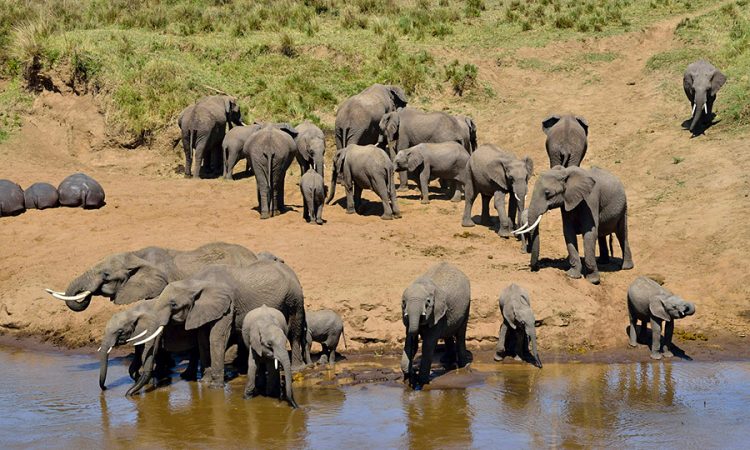
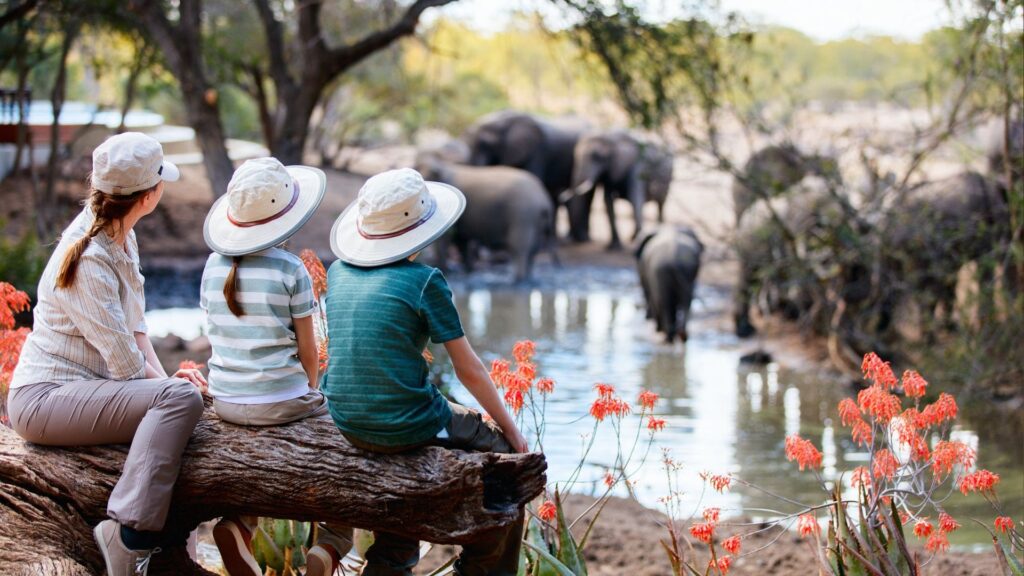
Tarangire is famous for its large elephant herds, baobab trees and dry-season wildlife gatherings.
Lightweight, breathable clothing is suitable for daytime activities. A scarf or buff can also be useful for managing dust during game drives.
Lake Manyara features groundwater forests, open areas and lake habitats. Pack comfortable safari clothing, sun protection and footwear suitable for walking around your accommodation.
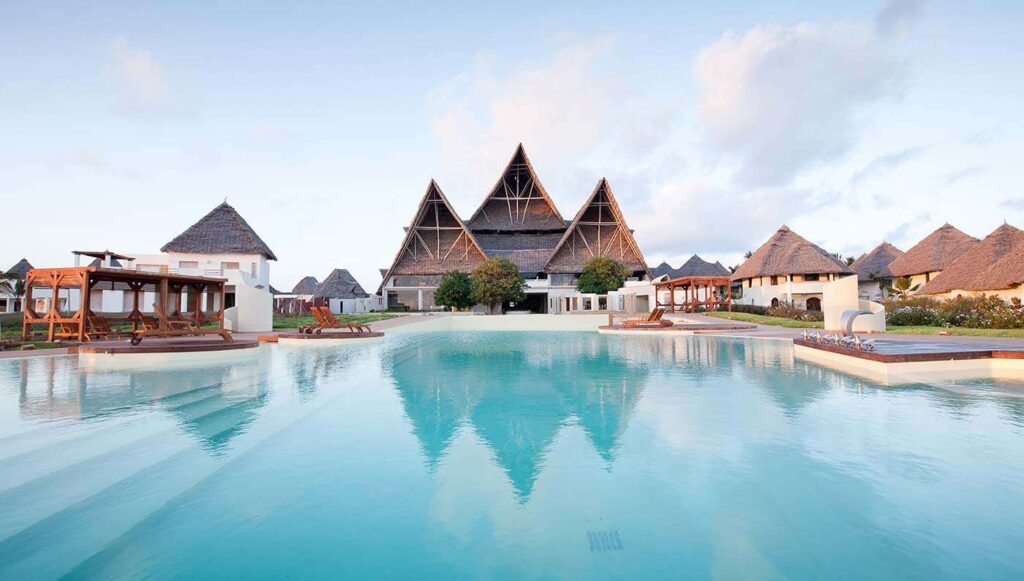
If your Tanzania safari includes a beach holiday in Zanzibar, add a few beach essentials:
Your safari wardrobe can be used for much of the trip, but a few additional casual outfits will make your beach stay more comfortable.
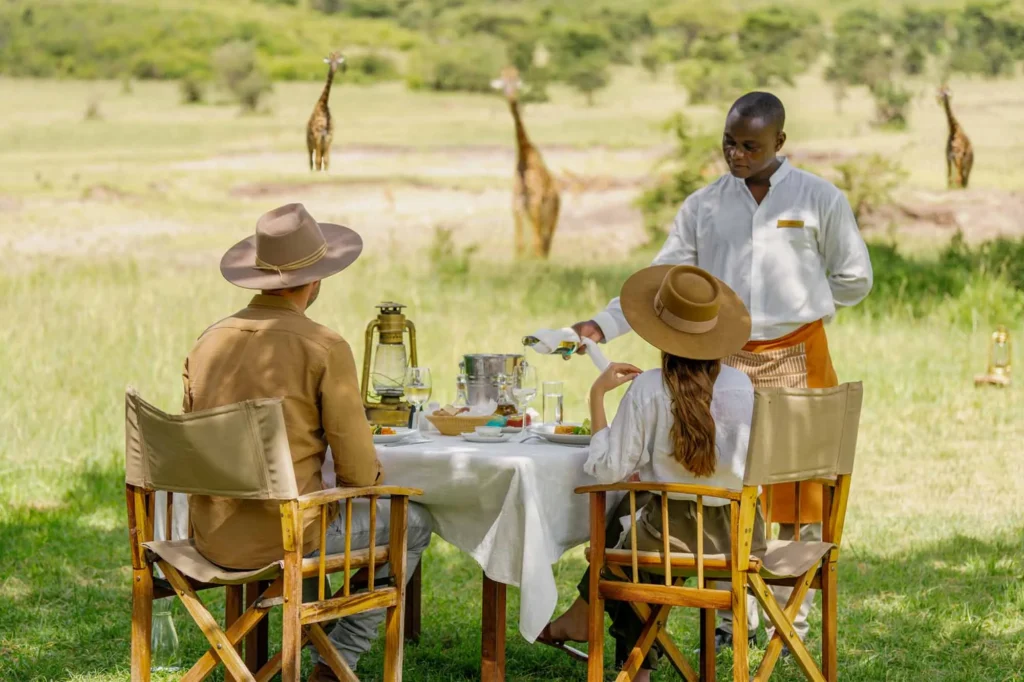
A luxury safari does not require formal clothing every day. Most luxury safari lodges and tented camps have a relaxed atmosphere, and comfortable clothing is perfectly acceptable.
However, you may want to bring a few additional items for evenings, dining and relaxing at your accommodation.
Useful additions include:
Some luxury camps offer laundry services, allowing you to pack fewer clothes for longer journeys. Check whether laundry is available, its cost and any restrictions before relying on it.
Packing too much can make travelling between safari destinations more difficult, especially when your itinerary includes small aircraft.
Here are some items you can generally leave behind:
You should also avoid bringing drones without first checking the applicable Tanzanian regulations and obtaining any required permissions. Drone use is regulated and should not be assumed to be permitted during a safari.
If your safari includes domestic flights between destinations such as Arusha, Serengeti and Zanzibar, luggage restrictions are particularly important.
Many safari flights use small aircraft with limited luggage capacity. Operators commonly impose weight limits and require soft-sided bags because of restricted aircraft storage space.
A limit of around 15–20 kg, sometimes including hand luggage, is common on certain safari flights, but the actual allowance varies by airline, aircraft and route.
Before travelling, confirm:
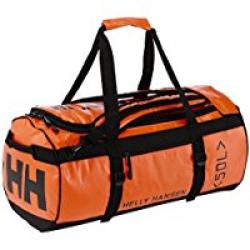
A soft-sided duffel bag is often more practical than a large hard-shell suitcase.
If you are travelling with specialist photography equipment, confirm its handling and baggage allowance with your airline or safari operator in advance.
Use this checklist when preparing your luggage before travelling.
Lightweight T-shirts
Long-sleeved shirts
Safari trousers
Shorts
Underwear and socks
Warm sweater or fleece
Lightweight jacket
Sleepwear
Swimwear
Comfortable evening outfit
Comfortable walking shoes
Trainers
Sandals
Hiking boots, if required for your activities
Sunscreen SPF 30 or higher
Sunglasses
Wide-brimmed hat or cap
Lip balm with SPF
Insect repellent
Lightweight scarf or buff
Prescription medication
Basic first-aid supplies
Hand sanitiser
Personal toiletries
Wet wipes
Contact lenses or spare glasses, if needed
Smartphone
Camera
Camera batteries and charger
Memory cards
Binoculars
Power bank
Travel power adapter
Charging cables
Passport
Visa or entry documentation, if required
Flight tickets
Safari booking confirmation
Travel insurance
Emergency contacts
Digital and printed document copies
Wear comfortable, lightweight clothing in neutral colours such as khaki, beige, brown and olive green. Long-sleeved shirts, safari trousers, comfortable shoes and a warm layer for early mornings are useful.
No. You do not need expensive or specialised safari clothing for a traditional game-drive safari. Comfortable outdoor clothing that protects you from the sun, dust and insects is usually sufficient.
Bright colours are not necessary for a traditional safari wardrobe, although they are not universally prohibited. Neutral colours are practical and blend naturally with the environment. Avoid camouflage clothing because it may be restricted in some African countries.
Yes. Early morning and evening temperatures can be cool, particularly in higher-altitude destinations such as Ngorongoro. A fleece, sweater or lightweight jacket is recommended.
Yes. Binoculars make it easier to observe wildlife and birds at a distance. They are particularly useful when animals are far from the safari vehicle.
Yes. Shorts are suitable for warm daytime conditions and relaxing at your accommodation. However, lightweight long trousers are often more practical for early morning game drives and areas with insects.
A soft-sided duffel bag is generally recommended, especially if your itinerary includes small domestic aircraft. Always check your airline’s luggage weight and size restrictions before travelling.
Many established luxury lodges and tented camps provide basic toiletries, but facilities vary. Bring personal products that you prefer using and confirm what your accommodation provides.
Yes. Insect repellent is a useful item to include in your luggage. Speak with a travel health professional about additional mosquito-bite prevention and malaria precautions before your trip.
Pack according to your trip duration and itinerary. If you are taking domestic safari flights, follow the airline’s specific luggage allowance, which may be around 15–20 kg on some routes, including hand luggage.
Yes. You can use much of your safari clothing for both experiences. Add swimwear, beach clothing, sandals and a few casual outfits for your time in Zanzibar.
Around five to seven days’ worth of underwear, three to five T-shirts, two to three pairs of trousers, two to three long-sleeved shirts and a warm layer provide a practical starting point. Adjust your luggage according to laundry availability and personal needs.
Packing the right items helps you enjoy your safari comfortably, whether you are exploring the Serengeti, watching elephants in Tarangire, discovering the Ngorongoro Crater or combining your wildlife adventure with a relaxing stay in Zanzibar.
At Afrima Luxury Safaris, we help travellers prepare for memorable journeys through Tanzania. From selecting the right safari destinations and accommodation to arranging transportation and guided game drives, we take care of the details so you can focus on enjoying your African safari.
If you are planning your first Tanzania safari or returning for another adventure, contact Afrima Luxury Safaris to start planning your journey.
There are no results matching your search
WhatsApp us