Tanzania is home to some of Africa’s most spectacular wildlife destinations, and two places that regularly capture the attention of safari travellers are Ngorongoro Crater and Serengeti National Park. Both offer incredible wildlife encounters, beautiful landscapes and opportunities to experience Africa’s wilderness. However, they provide quite different safari experiences.
If you are planning a Tanzania safari, you may be wondering whether to visit Ngorongoro or Serengeti, which destination offers better wildlife viewing, where you have a higher chance of seeing the Big Five, or which is best for experiencing the Great Wildebeest Migration.
The good news is that you do not necessarily have to choose between them. Both destinations are located within Tanzania’s Northern Safari Circuit and are commonly combined in one safari itinerary. Nevertheless, understanding their differences will help you decide how much time to spend in each destination and what to expect.
In this guide, we compare Ngorongoro vs Serengeti across wildlife, landscapes, safari experiences, accommodation, accessibility, costs and the best time to visit.
Although they are neighbouring wildlife destinations, Ngorongoro and Serengeti are geographically and administratively different.
Ngorongoro Conservation Area is a protected conservation landscape in northern Tanzania, famous for the Ngorongoro Crater, a spectacular volcanic caldera surrounded by steep forested walls. Its crater floor supports a remarkable concentration of wildlife, making it one of the best places in Tanzania for relatively concentrated game viewing.
Serengeti National Park, on the other hand, is an extensive wilderness area covering approximately 14,750 square kilometres. It is internationally recognised for its endless savannah plains, abundant wildlife populations, large predators and the annual Great Wildebeest Migration.
The main difference is that Ngorongoro offers a more concentrated wildlife experience within a dramatic natural landscape, while Serengeti provides a much larger and more diverse wilderness experience.
Here is a quick overview of the main differences between these two famous Tanzania safari destinations.
| Feature | Ngorongoro Crater | Serengeti National Park |
|---|---|---|
| Location | Northern Tanzania | Northern Tanzania |
| Protected area | Conservation Area | National Park |
| Landscape | Volcanic crater, highlands and grasslands | Open savannah, woodlands and rivers |
| Famous for | High wildlife concentration | Great Wildebeest Migration |
| Big Five | Excellent viewing opportunities | Excellent wildlife diversity |
| Black rhino | Good opportunity to spot | More difficult to spot |
| Big cats | Lions and other predators | Lions, leopards and cheetahs |
| Safari duration | Usually one full crater game drive | 2–5 days or longer |
| Wildlife experience | Concentrated game viewing | Extensive wildlife exploration |
| Best for | First-time safari visitors and Big Five viewing | Migration, big cats and extended safaris |
Both destinations offer exceptional wildlife experiences, but the right choice depends on your travel interests, available time and safari expectations.
Wildlife viewing is one of the biggest considerations when comparing Ngorongoro vs Serengeti.
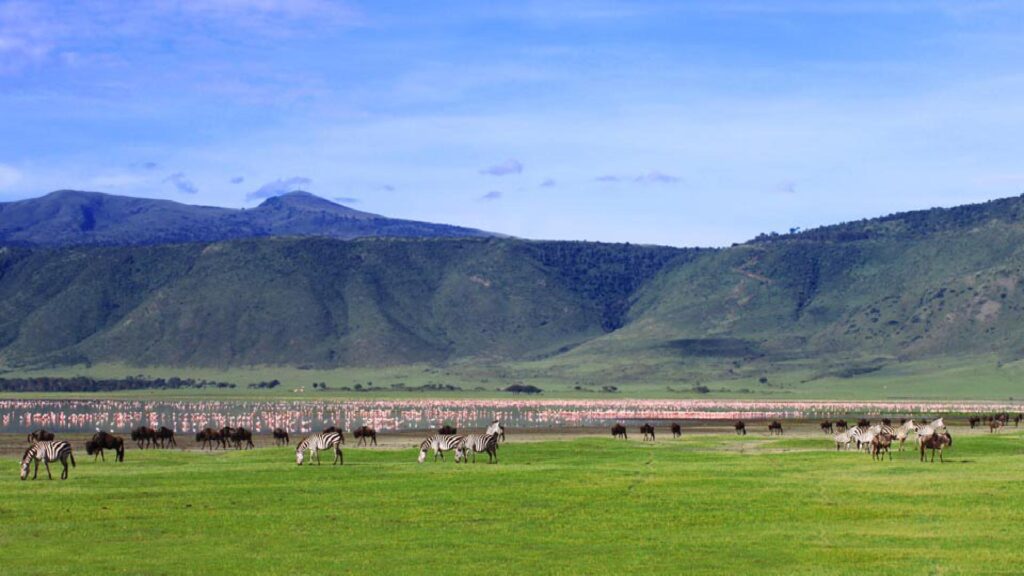
Ngorongoro Crater is famous for its exceptionally high concentration of wildlife. The crater floor covers approximately 260 square kilometres and contains different habitats, including open grasslands, swamps, freshwater pools, woodland areas and Lake Magadi.
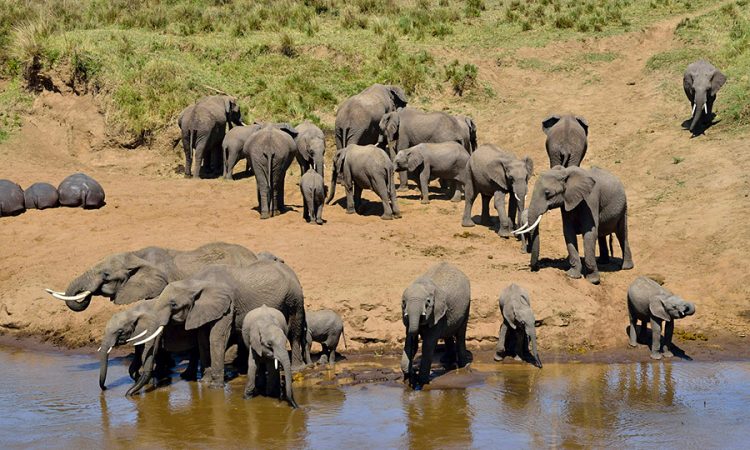
These habitats support numerous wildlife species throughout the year. During a game drive, visitors may encounter lions, elephants, buffaloes, zebras, wildebeests, hippos, hyenas and several antelope species.
One of Ngorongoro’s biggest attractions is the opportunity to see the endangered black rhinoceros. Although sightings are never guaranteed, the crater is among the most promising places in Tanzania to look for this rare animal.
The relatively compact environment also makes it possible to encounter several different wildlife species during a single game drive.
Serengeti offers a different kind of wildlife experience. Its enormous size, varied habitats and abundant prey populations support an impressive diversity of animals.
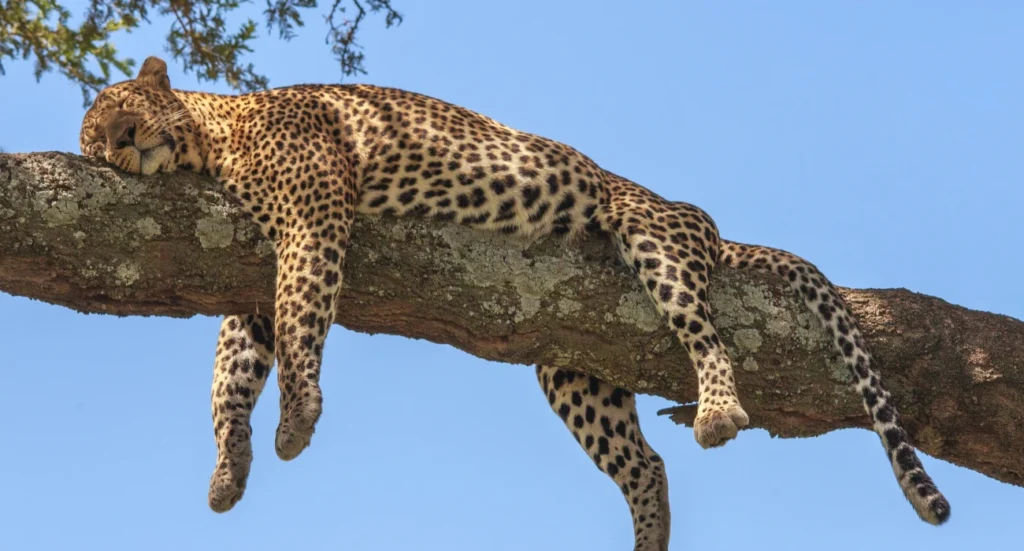
The park is particularly famous for its large lion population and excellent opportunities to observe predators in their natural environment. Lions, leopards, cheetahs, spotted hyenas and other carnivores can be encountered across different parts of the park.
Serengeti is also home to enormous herds of wildebeests, zebras, gazelles, elephants, giraffes and buffaloes.
Unlike Ngorongoro, wildlife sightings in Serengeti are spread across a much larger area. Finding particular animals may require longer game drives, but the experience of discovering wildlife across the open plains is part of its attraction.
Which is better for wildlife viewing?
Ngorongoro is excellent for seeing a variety of animals within a relatively short period. Serengeti is better for travellers who want more extensive wildlife exploration, diverse habitats and opportunities to observe predator behaviour.
The Big Five refers to five iconic African mammals: lions, leopards, elephants, buffaloes and rhinoceroses.
Both Ngorongoro and Serengeti are excellent destinations for Big Five safaris, although the chances of encountering individual species differ.
Ngorongoro Crater is particularly attractive for visitors hoping to see the black rhinoceros. Its relatively small size and concentrated wildlife population make searching for the Big Five more manageable.
Serengeti also supports all five species, but finding a black rhino can be more challenging because of the park’s enormous size and the animal’s elusive nature.
For travellers with limited time who want to see as many of the Big Five as possible, Ngorongoro is an excellent choice. However, combining both destinations provides a more complete wildlife experience.
If witnessing the Great Wildebeest Migration is your main reason for visiting Tanzania, Serengeti is the clear choice.
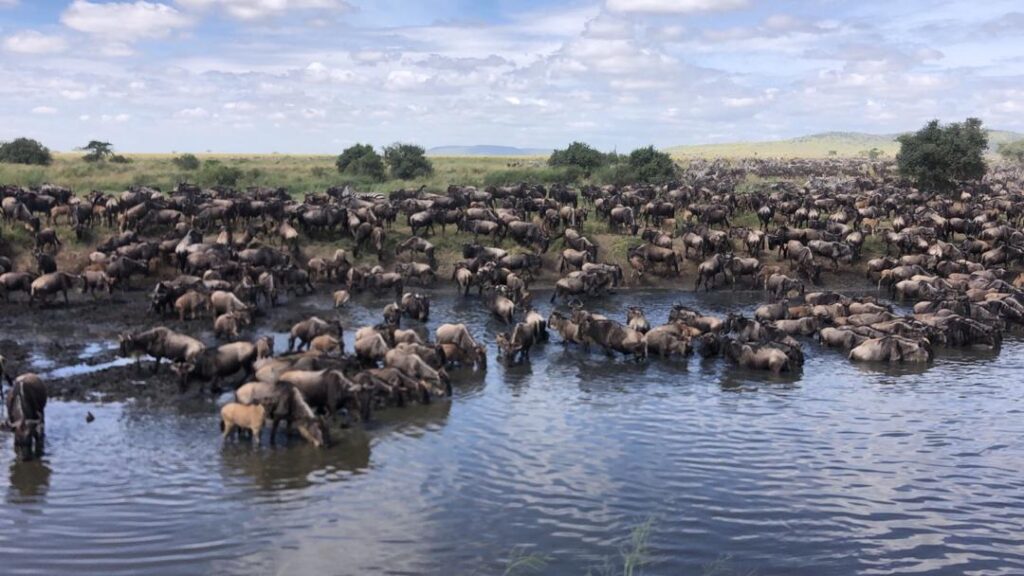
The Great Wildebeest Migration is one of the world’s most remarkable wildlife spectacles. Every year, approximately 1.5 million wildebeests, accompanied by hundreds of thousands of zebras and gazelles, move across the Serengeti ecosystem in search of fresh grazing and water.
The migration follows seasonal rainfall patterns, meaning the herds move between different regions throughout the year.
Some of the most popular migration experiences include:
Migration movements are influenced by rainfall and grazing conditions, so these periods are approximate rather than fixed dates.
Ngorongoro also forms part of the wider Serengeti ecosystem. The surrounding conservation area, particularly the Ndutu plains, plays an important role in the migration and calving season.
However, Serengeti offers a much broader range of opportunities to follow the migrating herds.
Our recommendation: If the Great Migration is your priority, consider spending at least three days in Serengeti, selecting the region according to your travel dates.
The scenery is another major difference between these two destinations.
Ngorongoro is famous for its enormous volcanic caldera, which creates a natural enclosure surrounded by steep crater walls.
From the crater rim, visitors enjoy spectacular views across the forested slopes and grass-covered crater floor. Descending into the crater reveals a beautiful landscape of open plains, wetlands, lakes and woodland areas.
Beyond the crater itself, the wider Ngorongoro Conservation Area features highland forests, volcanic mountains, archaeological sites and traditional Maasai communities.
It is an excellent destination for travellers who appreciate dramatic landscapes and the relationship between wildlife, nature and local culture.
Serengeti offers a completely different visual experience. Its name comes from the Maasai word Siringet, meaning endless plains.
The landscape consists of vast grasslands, rolling hills, rocky outcrops known as kopjes, river valleys and woodland areas.
The open plains provide excellent opportunities for wildlife photography, particularly when large herds of animals move across the horizon.
Serengeti’s scenery also changes considerably between regions, giving visitors different photographic and wildlife experiences throughout their safari.
Which has better scenery?
Ngorongoro is particularly impressive for its volcanic crater views, while Serengeti is famous for its expansive African wilderness and endless horizons. Both are beautiful in their own ways.
Although traditional game drives are the main activity in both destinations, each offers additional experiences.
Serengeti is particularly suitable for travellers who want multiple days of game drives and specialised wildlife experiences.
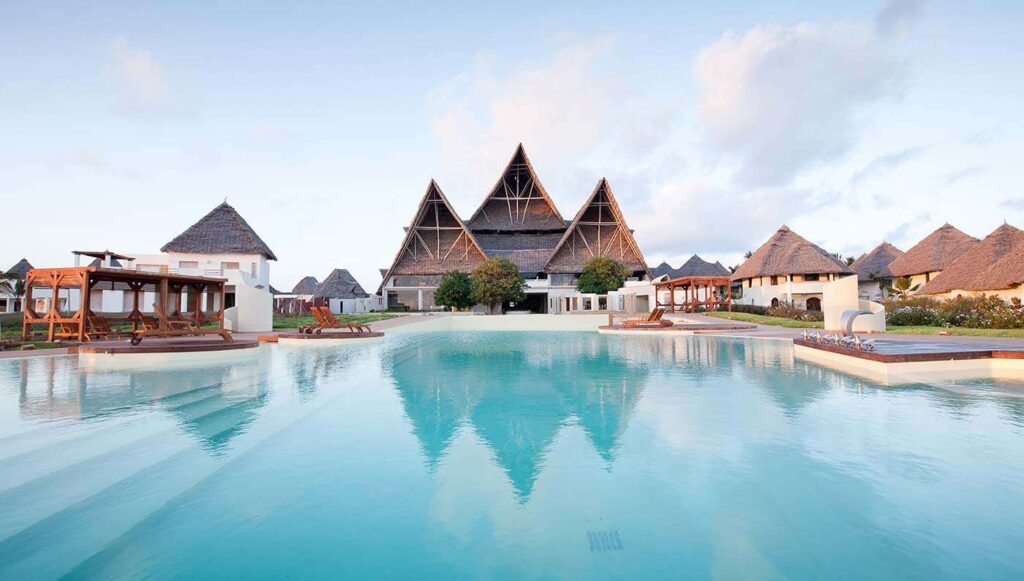
Both destinations offer a variety of accommodation options, ranging from comfortable tented camps to exclusive luxury lodges.
Accommodation options are available around the crater rim, within the wider conservation area and in nearby Karatu.
Crater rim lodges are particularly popular because of their spectacular views and convenient access to the crater. Some properties offer beautiful sunrise and sunset views over the caldera.
Staying in Karatu is another option for travellers looking for comfortable accommodation outside the conservation area.
Serengeti has a wider geographical distribution of safari lodges and camps.
Visitors can choose between permanent luxury lodges, seasonal tented camps and mobile camps positioned according to the Great Migration.
The location of your accommodation is particularly important in Serengeti. Staying in the central region provides good access to year-round wildlife viewing, while northern and southern camps can be more suitable for specific migration experiences.
For a luxury safari, both destinations offer exceptional accommodation, but choosing the right location is essential for maximising your experience.
Both destinations can be visited throughout the year, although wildlife experiences and weather conditions vary by season.
Ngorongoro offers good wildlife viewing throughout the year because of its resident animal populations.
The dry season, generally from June to October, is popular for safari activities because of relatively dry conditions and comfortable game-driving conditions.
The green season, particularly from November to May, brings beautiful scenery, greener vegetation and excellent birdwatching opportunities. February is especially interesting because of the wildebeest calving season in the nearby Ndutu plains.
The best time to visit Serengeti depends largely on what you want to experience.
For the best experience, your itinerary should be planned around the seasonal wildlife movements rather than simply choosing a month based on general weather conditions.
Ngorongoro and Serengeti are both accessible through Tanzania’s Northern Safari Circuit.
Most safaris begin in Arusha, the main gateway for northern Tanzania wildlife destinations.
Ngorongoro Crater is approximately 180 kilometres from Arusha by road, although actual journey times depend on traffic, road conditions and your accommodation location.
Serengeti is farther away, with driving distances varying considerably depending on the entrance gate and region you intend to visit.
Most visitors explore these destinations using a private 4×4 safari vehicle with a professional driver-guide. Domestic flights are also available to selected airstrips in Serengeti, providing a convenient option for travellers with limited time or those seeking a fly-in luxury safari.
A common Northern Circuit itinerary combines Tarangire National Park, Lake Manyara, Ngorongoro Crater and Serengeti National Park.
The cost of visiting either destination depends on several factors, including accommodation standards, travel season, transportation, safari duration and the number of people travelling together.
Ngorongoro safaris can sometimes be incorporated into shorter itineraries because a single full-day crater game drive offers excellent wildlife-viewing opportunities.
Serengeti generally requires more time because of its size and the need to explore different regions. Accommodation, transport and park-related charges can also contribute significantly to the overall safari budget.
However, neither destination is automatically cheaper than the other. A luxury lodge in Ngorongoro can cost more than a comfortable tented camp in Serengeti, depending on the property and travel dates.
The best approach is to compare complete safari itineraries rather than looking at individual destination costs alone.
The answer depends on the type of safari you want.
Choose Ngorongoro if:
Choose Serengeti if:
For most first-time visitors to Tanzania, we recommend combining both destinations rather than choosing just one.
Absolutely! In fact, combining Ngorongoro and Serengeti is one of the best ways to experience Tanzania’s Northern Safari Circuit.
A well-planned safari allows you to enjoy the concentrated wildlife viewing of Ngorongoro Crater while spending additional days exploring the extensive plains of Serengeti.
For example, a five-day safari could include:
This is only a sample itinerary. If the Great Wildebeest Migration is your main interest, consider allocating additional days to the relevant Serengeti region.
Travellers with more time can also include Lake Manyara National Park, offering another unique landscape and wildlife experience.
Neither destination is universally better. Ngorongoro is excellent for concentrated wildlife viewing and Big Five encounters, while Serengeti offers a larger wilderness experience, excellent big cat viewing and the Great Wildebeest Migration.
Both are excellent for first-time safari visitors. However, Ngorongoro is particularly rewarding for travellers with limited time because of its high wildlife concentration. Combining it with Serengeti offers a more complete introduction to Tanzania’s wildlife.
One full day is generally sufficient for a crater game drive. However, spending additional time in the wider Ngorongoro Conservation Area allows you to explore its highlands, cultural attractions and other volcanic landscapes.
We recommend spending at least two to three days in Serengeti. Three to five days or longer is ideal for exploring different regions and improving your opportunities to experience seasonal wildlife movements.
Yes. Both destinations support the Big Five: lions, leopards, elephants, buffaloes and rhinoceroses. Ngorongoro is particularly promising for black rhino sightings, although sightings cannot be guaranteed.
The Great Migration takes place across the wider Serengeti ecosystem, which includes parts of the Ngorongoro Conservation Area. However, Serengeti National Park offers more extensive opportunities to follow the migrating herds.
No. Ngorongoro is a separate protected area known as the Ngorongoro Conservation Area. However, it is ecologically connected to the wider Serengeti ecosystem and shares important wildlife migration routes.
Yes, although three days is relatively short. It is possible to combine both destinations with careful planning, but travellers should expect limited exploration time, particularly in Serengeti.
Both destinations offer outstanding luxury safari experiences. Ngorongoro is famous for crater rim lodges with spectacular views, while Serengeti offers exclusive tented camps and luxury lodges in different wildlife regions.
Absolutely. Its spectacular volcanic landscape, remarkable wildlife concentration, opportunities to see the Big Five and unique cultural and archaeological attractions make it one of Tanzania’s most rewarding safari destinations.
Ngorongoro Crater and Serengeti National Park offer two distinctly different but equally remarkable safari experiences. From the dramatic volcanic scenery and concentrated wildlife of Ngorongoro to the endless plains, big cats and spectacular Great Wildebeest Migration of Serengeti, both destinations deserve a place on your Tanzania safari itinerary.
Whether you are planning a short wildlife holiday, a private luxury safari or an extended Great Migration experience, choosing the right destinations, accommodation and travel dates will make a significant difference.
At Afrima Luxury Safaris, we help travellers plan personalised Tanzania safari experiences based on their interests, travel schedules and accommodation preferences.
Explore our [Tanzania safari packages] and let us help you create an unforgettable journey through Ngorongoro and Serengeti.
Contact Afrima Luxury Safaris today to start planning your Tanzania safari.
There are no results matching your search
WhatsApp us