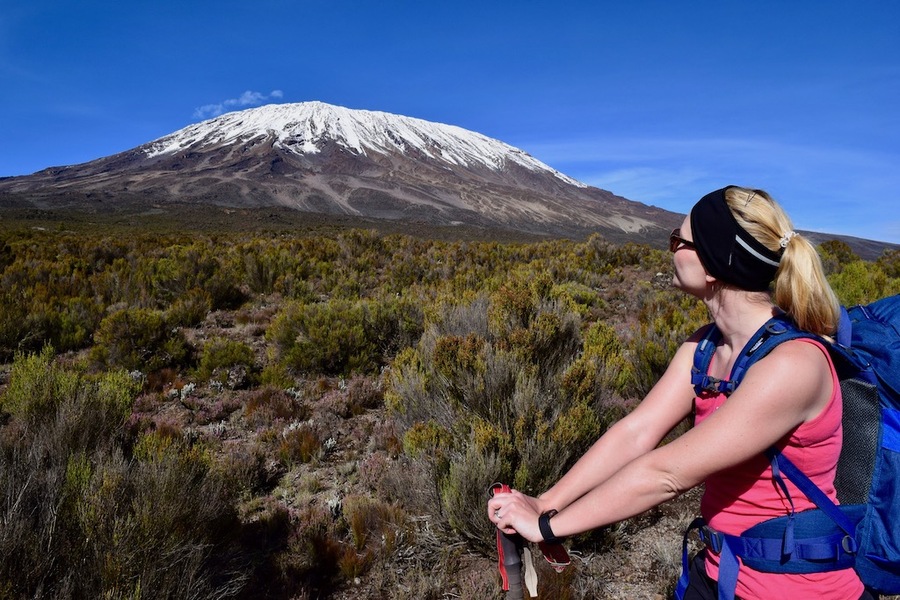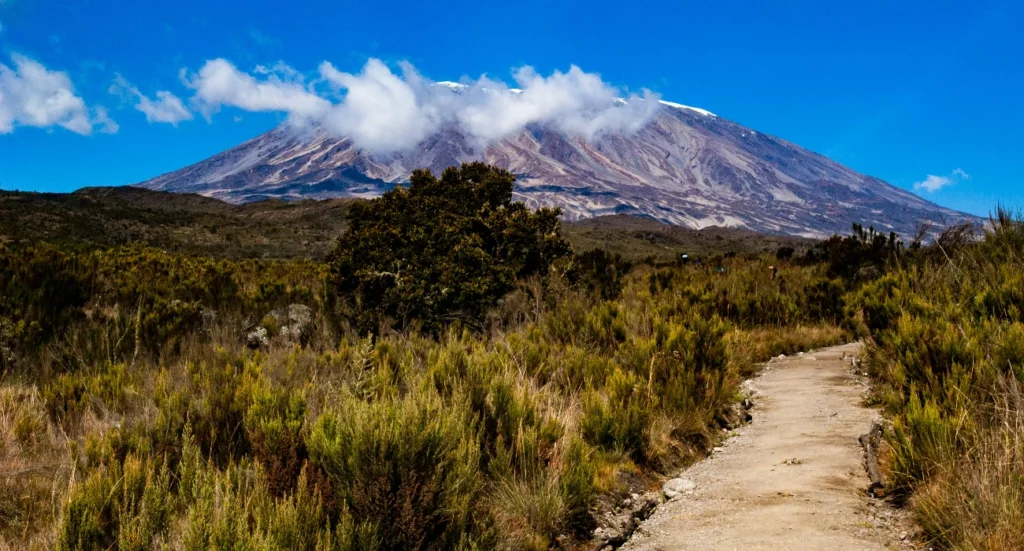
Climbing Mount Kilimanjaro is one of the most rewarding adventures in Africa. Standing at 5,895 metres above sea level, Kilimanjaro is the highest mountain in Africa and the world’s tallest free-standing mountain. Every year, thousands of travellers visit Tanzania with the dream of reaching Uhuru Peak, its highest point.
However, if this is your first mountain climbing experience, choosing the right route can feel overwhelming. Mount Kilimanjaro has several established climbing routes, each offering different landscapes, difficulty levels, climbing durations and opportunities for altitude acclimatisation.
Some routes are shorter but provide less time for your body to adjust to the altitude, while others take longer and offer a more gradual ascent. For beginners, choosing a route that balances manageable hiking conditions, good acclimatisation and enough time to rest is particularly important.
So, what is the best Kilimanjaro route for beginners? In this guide, we explore the different climbing routes, compare their advantages and challenges, and help you choose the most suitable option for your first Kilimanjaro adventure.
The Lemosho Route is generally our top recommendation for beginners climbing Mount Kilimanjaro. It offers a gradual ascent, beautiful scenery, good acclimatisation opportunities and a longer climbing schedule that allows your body more time to adjust to increasing altitude.
The eight-day Lemosho itinerary is particularly recommended because it provides additional time for acclimatisation compared with shorter climbing programmes.
Other suitable options include the Northern Circuit, Machame and Rongai routes, depending on your fitness, available time and personal preferences.
It is important to understand that there is no completely easy route to the summit. Reaching 5,895 metres requires physical preparation, mental determination and careful altitude management, regardless of the route you select.
Before looking at each route in detail, here is a quick comparison of the main climbing routes and what they offer first-time climbers.
| Kilimanjaro Route | Duration | Difficulty | Beginner Suitability |
|---|---|---|---|
| Lemosho | 7–8 days | Moderate | Excellent |
| Northern Circuit | 8–9 days | Moderate | Excellent |
| Machame | 6–7 days | Moderate to challenging | Very good |
| Rongai | 6–7 days | Moderate | Good |
| Marangu | 5–6 days | Moderate | Good, with longer itinerary |
| Shira | 7–8 days | Moderate to challenging | Less suitable |
| Umbwe | 6–7 days | Difficult | Not recommended |
Durations refer to typical climbing itineraries and can vary depending on the operator and acclimatisation schedule.
For most first-time climbers, Lemosho and Northern Circuit offer particularly attractive combinations of gradual altitude gain, scenery and time on the mountain.
The Lemosho Route is one of the most popular choices for climbers looking for a scenic and well-paced Kilimanjaro experience.
Approaching the mountain from the western side, the route begins at Londorossi Gate and passes through beautiful rainforest before opening onto the spectacular Shira Plateau.
One of its biggest advantages is the gradual ascent, which gives climbers more opportunities to adjust to the increasing altitude. The route also follows a varied landscape, including forest, open moorland, rocky terrain and alpine desert.
As the climb progresses, Lemosho joins the Machame Route before continuing towards the southern circuit and summit.
Why beginners should consider Lemosho:
Challenges: The climb includes long walking days, rocky sections and the Great Barranco Wall, which requires some scrambling. However, technical climbing skills are not required, and experienced mountain guides assist climbers along the way.
Recommended duration: 8 days.
Our recommendation: If you are climbing Kilimanjaro for the first time and have enough time, the eight-day Lemosho Route is an excellent starting point.
The Northern Circuit is another excellent option for beginners, particularly those who want a longer and less crowded mountain experience.
It approaches Kilimanjaro from the western side before following a route around the northern slopes of the mountain. Unlike some other routes, the Northern Circuit takes climbers around much of the mountain before joining the final approach to the summit.
Its main advantage is the additional time spent on the mountain. The longer itinerary provides excellent opportunities for acclimatisation and allows climbers to experience different sides of Kilimanjaro.
The route also offers spectacular scenery, including wide mountain views, remote landscapes and less-visited sections of the mountain.
Why beginners should consider the Northern Circuit:
Challenges: The main disadvantage is the time commitment and higher overall cost associated with the longer itinerary. Climbers must also be comfortable spending several days at high altitude.
Recommended duration: 9 days.
Our recommendation: Choose the Northern Circuit if you have sufficient time and budget and prefer a quieter climbing experience with an extended acclimatisation schedule.
The Machame Route, commonly known as the Whiskey Route, is one of the most established and popular ways to climb Mount Kilimanjaro.
It approaches the mountain from the southern side and passes through some of its most beautiful landscapes. Climbers experience rainforest, moorland, the Shira Plateau, alpine desert and spectacular mountain views.
One of its important advantages is the climb-high, sleep-low approach. This means climbers ascend to higher elevations during the day before descending to sleep at a lower altitude, helping the body adjust to reduced oxygen levels.
The route also includes the famous Barranco Wall, a rocky section that involves scrambling but does not require technical mountaineering equipment.
Why beginners should consider Machame:
Challenges: Machame can be physically demanding, particularly on longer walking days and the Barranco Wall section. It is better suited to beginners who have prepared physically and are comfortable with challenging hikes.
Recommended duration: 7 days.
Our recommendation: Machame is a good option if you want a scenic, adventurous climb and have a reasonable level of physical fitness. For first-time climbers, choose the seven-day version rather than the shorter six-day itinerary.
The Rongai Route approaches Mount Kilimanjaro from the northern side, close to the Kenyan border. It is one of the quieter routes and offers a different perspective of the mountain.
Compared with the southern routes, Rongai generally receives less rainfall, making it an attractive option during certain wetter periods.
The early stages pass through relatively remote landscapes, where climbers may encounter forest, open moorland and beautiful views of the surrounding wilderness.
The route has a relatively steady gradient, making it appealing to travellers who prefer a less crowded climbing experience.
Why beginners should consider Rongai:
Challenges: Some sections provide fewer opportunities for the climb-high, sleep-low approach compared with Lemosho and Machame. The summit night is also physically demanding.
Recommended duration: 7 days.
Our recommendation: Rongai is a good alternative for beginners who prefer quieter trails and want to experience Kilimanjaro from its northern side.
The Marangu Route is the oldest established climbing route on Mount Kilimanjaro. It is commonly known as the Coca-Cola Route and is the only route offering sleeping huts instead of camping throughout the climb.
The route approaches the mountain from the south-east and passes through rainforest, moorland and alpine desert before reaching the summit.
Its relatively straightforward trail and hut accommodation make it attractive to travellers who prefer sleeping indoors rather than in mountain tents.
Why beginners should consider Marangu:
Challenges: The standard five-day itinerary offers limited acclimatisation time. The route also uses the same trail for ascending and descending, meaning less landscape variety.
Recommended duration: 6 days, with an additional acclimatisation day.
Our recommendation: Marangu can work for beginners who strongly prefer hut accommodation, but we recommend the longer six-day itinerary rather than the five-day option.
Although all established Kilimanjaro routes lead towards the summit, some are more demanding than others.
For first-time climbers, we generally recommend avoiding routes that involve particularly steep ascents or offer limited acclimatisation opportunities.
Umbwe is one of the steepest and most direct approaches to Kilimanjaro. It involves rapid altitude gain during the early stages, making acclimatisation more challenging.
Although it offers beautiful scenery and a relatively quiet trail, it is generally better suited to experienced high-altitude trekkers.
The five-day Marangu itinerary is not our preferred recommendation for beginners. Its shorter duration gives the body less time to adjust to altitude, potentially increasing the risk of altitude-related problems.
The Shira Route begins at a relatively high elevation on the western side of Kilimanjaro. Starting at altitude can be challenging for climbers who have not acclimatised beforehand.
For beginners, Lemosho is generally a better alternative because of its more gradual approach.
Climbing Mount Kilimanjaro is challenging, but you do not need previous mountaineering experience to reach the summit.
Unlike technical mountain climbs, most Kilimanjaro routes involve hiking rather than climbing with ropes, harnesses or specialised mountaineering equipment.
However, the altitude makes the experience considerably more demanding than an ordinary hiking trip.
As you climb higher, oxygen availability decreases, which can cause symptoms such as headaches, nausea, dizziness, fatigue and difficulty sleeping.
The most important challenge is therefore not simply walking long distances but allowing your body enough time to adapt to the changing altitude.
A good level of physical fitness, a gradual climbing schedule, experienced guides and proper acclimatisation all contribute to a safer and more enjoyable experience.
Remember that reaching the summit is never guaranteed, even for physically fit climbers.
Physical preparation is important, particularly if you do not regularly participate in hiking or endurance activities.
Ideally, begin preparing at least two to three months before your scheduled climb.
Here are some useful preparation activities:
1. Practise long-distance walking
Start with regular walks and gradually increase the distance. Include longer weekend hikes to prepare your body for spending several hours walking each day.
2. Train on hills and uneven terrain
Kilimanjaro involves different types of terrain, including forest trails, rocky paths and steep sections. Practising on hills helps improve endurance and balance.
3. Build cardiovascular fitness
Activities such as cycling, jogging, swimming and brisk walking can improve cardiovascular endurance.
4. Strengthen your legs
Include exercises such as squats, lunges, step-ups and calf raises in your training routine.
5. Wear your hiking equipment
Break in your hiking boots before travelling to Tanzania. Practise walking with your daypack and using your trekking poles.
6. Prepare for cold temperatures
Although the lower mountain slopes can be relatively warm, summit temperatures can fall well below freezing. Invest in suitable thermal clothing, gloves, a warm hat and a quality sleeping bag.
7. Consult your healthcare provider
Discuss your planned high-altitude trip with a qualified medical professional before travelling, especially if you have existing health concerns or take regular medication.
Mount Kilimanjaro can be climbed throughout the year, but some months generally offer more favourable weather conditions.
The two main climbing seasons are:
January to March: This period generally offers relatively dry conditions, with colder temperatures at higher elevations. It is a good option for climbers who prefer quieter trails and potentially snowy summit conditions.
June to October: These are popular climbing months, with generally drier weather and good conditions for mountain trekking. July, August and September are particularly busy.
The long rainy season generally occurs from March to May, while shorter rains commonly occur around November. Although climbing is possible during these periods, trails can be wetter, and visibility may be reduced.
For beginners, choosing a favourable weather window can make the overall experience more comfortable, although mountain weather is unpredictable.
A Kilimanjaro climb is usually organised over several days, with each day involving a different section of the mountain.
Here is a simplified example of an eight-day Lemosho Route itinerary:
The precise daily schedule varies depending on the operator and itinerary. Some eight-day Lemosho programmes include an additional acclimatisation stage before the summit attempt.
There are no results matching your search
WhatsApp us