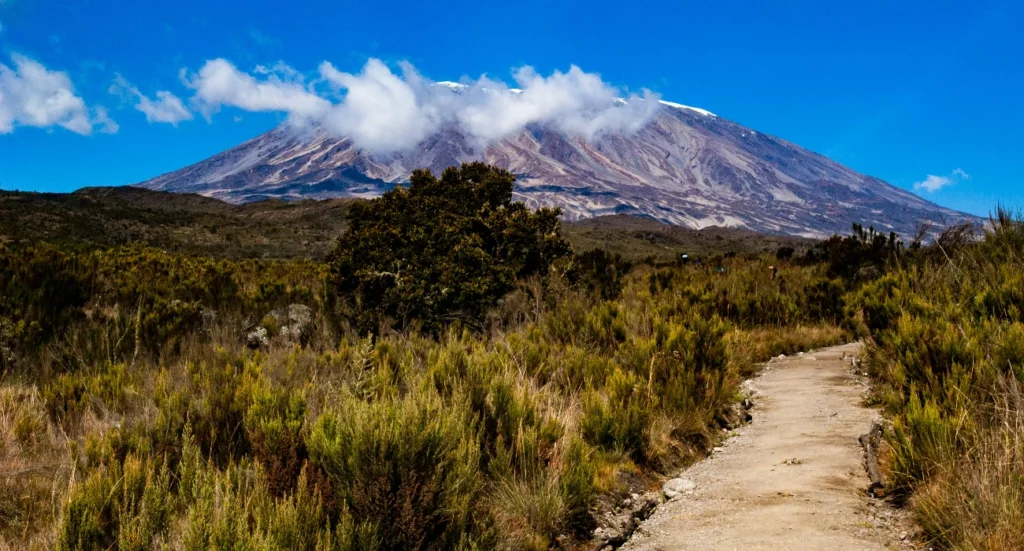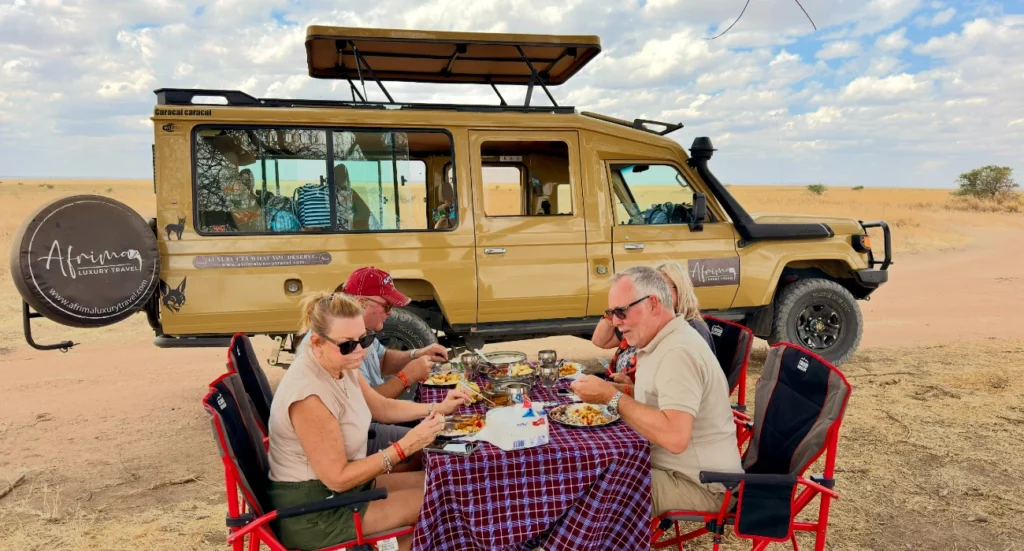
Tanzania is home to some of Africa’s most remarkable safari destinations, and two of its most popular national parks are Serengeti and Tarangire. Both offer excellent wildlife viewing, beautiful landscapes and memorable game drives. However, the experience in each park is quite different.
The Serengeti is famous for its vast open plains, large predator populations and the Great Wildebeest Migration. Tarangire is known for its impressive elephant herds, ancient baobab trees and beautiful river landscapes. While both parks are excellent choices, the right destination depends on what you want to experience, when you plan to travel and how much time you have.
So, when comparing Serengeti vs Tarangire, which national park should you choose for your Tanzania safari?
This guide compares their wildlife, scenery, safari experiences, seasons, accessibility and accommodation to help you make the right decision.
| Feature | Serengeti National Park | Tarangire National Park |
|---|---|---|
| Famous for | Great Wildebeest Migration and big cats | Elephants and baobab trees |
| Landscape | Vast grasslands, open plains, kopjes and woodlands | Baobab woodlands, savannah and river valleys |
| Size | Approximately 14,750 km² | Approximately 2,850 km² |
| Best wildlife experience | Big cats, wildebeest and large herds | Elephants, giraffes, zebras and other wildlife |
| Great Migration | Yes | No |
| Best time to visit | Year-round, depending on the wildlife experience | Mainly June to October |
| Birdlife | More than 500 recorded bird species | Excellent birdwatching, especially in the green season |
| Crowds | Can be busy in popular areas during peak season | Generally quieter |
| Accessibility | Longer road journey or domestic flight from Arusha | Relatively easy road access from Arusha |
| Ideal safari duration | 3–5 days or longer | 1–2 days |
| Best for | First-time safari travellers, migration and big-cat enthusiasts | Elephant lovers, photographers and shorter safaris |
The short answer: Serengeti is generally the better choice if you want the classic African safari experience, the Great Migration and excellent big-cat viewing. Tarangire is better if you want to see large elephant herds, enjoy distinctive baobab scenery and visit a park that fits easily into a shorter northern Tanzania safari.
Both parks support a wide variety of African wildlife, but their animal populations and viewing experiences differ.
The Serengeti is one of Africa’s most important wildlife destinations. Its enormous grasslands and diverse habitats support large populations of herbivores and predators.
The park is particularly famous for lions, leopards, cheetahs and spotted hyenas. You may also encounter elephants, buffaloes, giraffes, zebras, wildebeest, topis, elands and several antelope species.
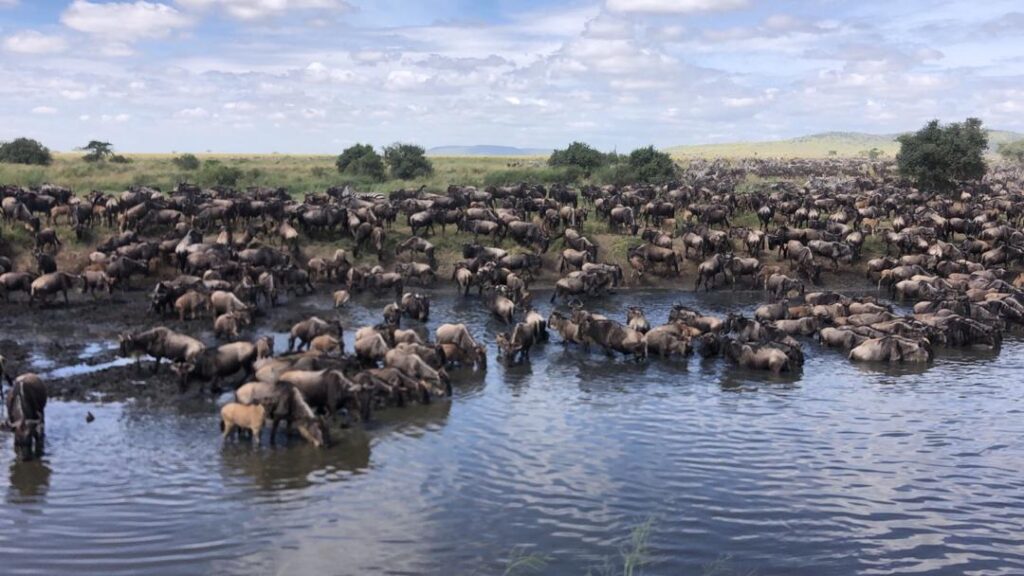
One of the Serengeti’s greatest attractions is the Great Wildebeest Migration. More than a million wildebeest, accompanied by large numbers of zebras and gazelles, move through the wider Serengeti ecosystem in search of fresh grass and water. This movement attracts predators and creates some of the most exciting wildlife encounters in Africa.
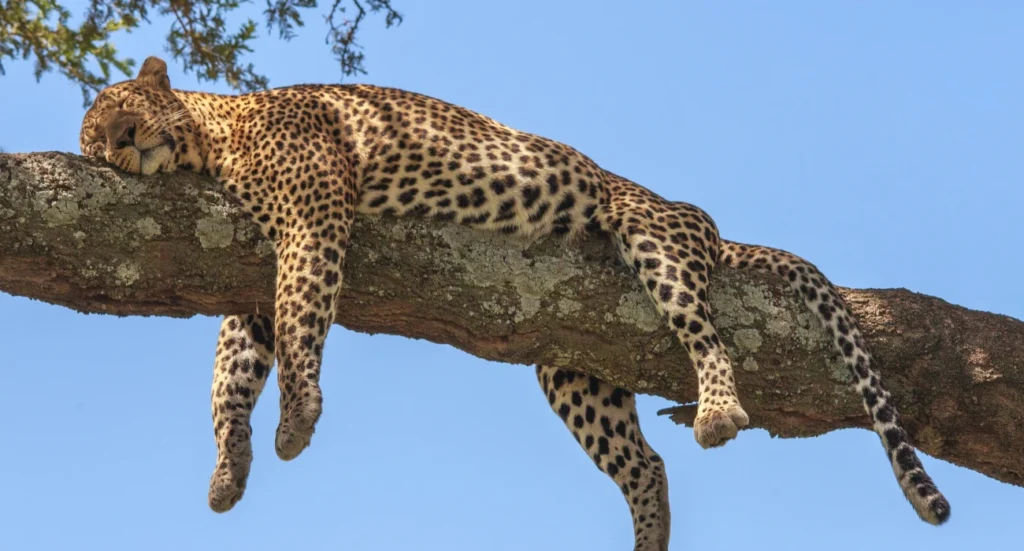
The Serengeti is also an excellent destination for travellers interested in seeing different predator species. Lions are relatively widespread, cheetahs are often seen in open grassland areas, and leopards can sometimes be spotted resting in trees or around rocky outcrops.
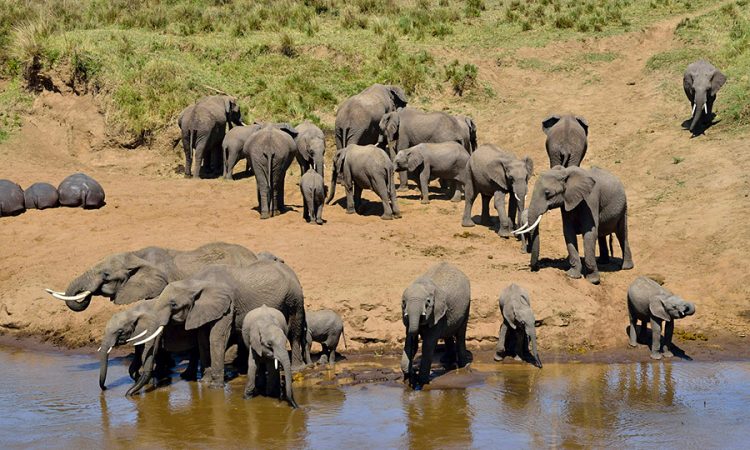
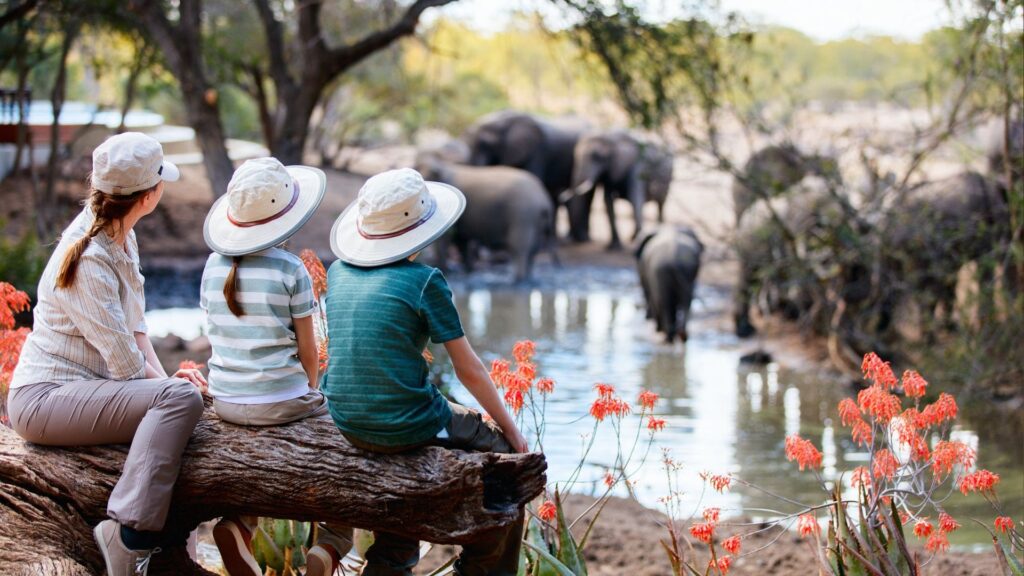
Tarangire has a different wildlife character. It is particularly famous for elephants, which gather in impressive numbers around the Tarangire River during the dry season.
The park also supports lions, leopards, cheetahs, buffaloes, giraffes, zebras, wildebeest, impalas, waterbucks, warthogs and several other species.
Elephants are the main attraction for many visitors. During the dry months, herds move towards the river and remaining water sources, creating excellent opportunities to observe them drinking, feeding and interacting.
Tarangire is also known for its tree-climbing pythons, although sightings are not guaranteed. The park’s combination of woodland, grassland and river habitats makes it an interesting destination for wildlife photography.
Serengeti offers a broader classic safari experience, particularly for travellers interested in big cats and the Great Migration. Tarangire stands out for elephant viewing, especially during the dry season.
If seeing elephants in large herds is your priority, Tarangire deserves a place on your itinerary. If you want a wider range of wildlife encounters and the possibility of witnessing the migration, choose the Serengeti.
This is one of the biggest differences between Serengeti and Tarangire.
The Serengeti is at the centre of the Great Wildebeest Migration, one of the world’s most remarkable wildlife movements.
Throughout the year, wildebeest, zebras and gazelles move through different parts of the Serengeti ecosystem as they follow seasonal rainfall and fresh grazing. The movement includes dramatic river crossings, large herds travelling across open plains and the annual calving season.
The main migration experiences include:
These are general seasonal patterns rather than fixed dates. Rainfall and grazing conditions influence the movement, and river crossings cannot be guaranteed.
Tarangire is not part of the Great Wildebeest Migration route. Its main wildlife attraction is the seasonal movement and concentration of elephants and other animals around the Tarangire River.
Although Tarangire has its own seasonal wildlife patterns, it does not offer the same large-scale wildebeest migration experience as the Serengeti.
Serengeti is the clear winner. If witnessing the Great Wildebeest Migration is one of your main reasons for visiting Tanzania, Serengeti is the park to choose.
The landscapes of Serengeti and Tarangire are very different, giving visitors two distinct safari environments.
The Serengeti is famous for its seemingly endless plains. Its name is commonly associated with the idea of endless plains, and the scenery reflects this description.
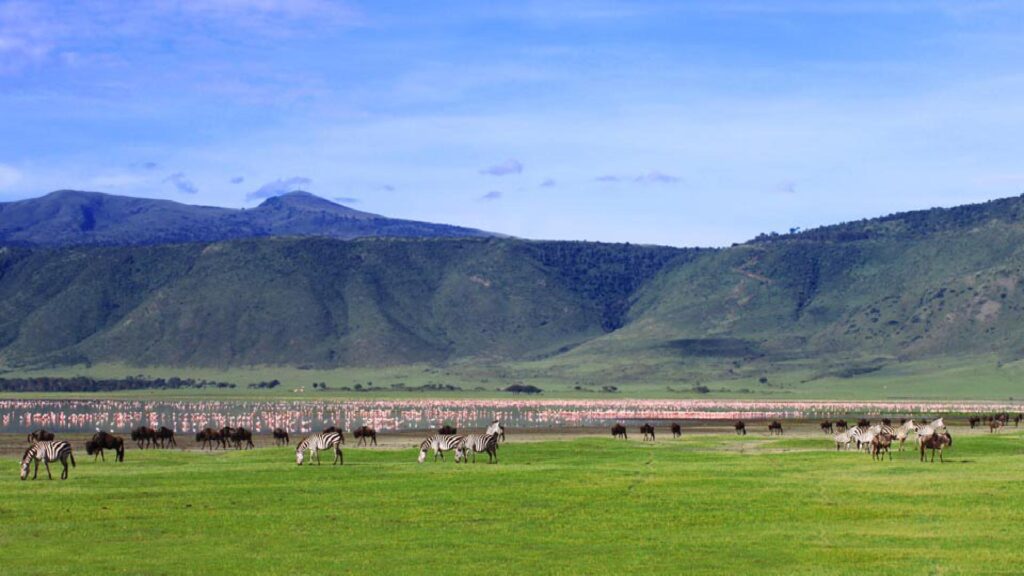
The park features open grasslands, rocky kopjes, scattered acacia trees, seasonal rivers and woodland areas. The southern plains are particularly open, while the central, western and northern regions have more varied vegetation and terrain.
The rocky kopjes are among the Serengeti’s most recognisable landscape features. These natural rock formations provide shelter for animals and resting places for lions and other wildlife.
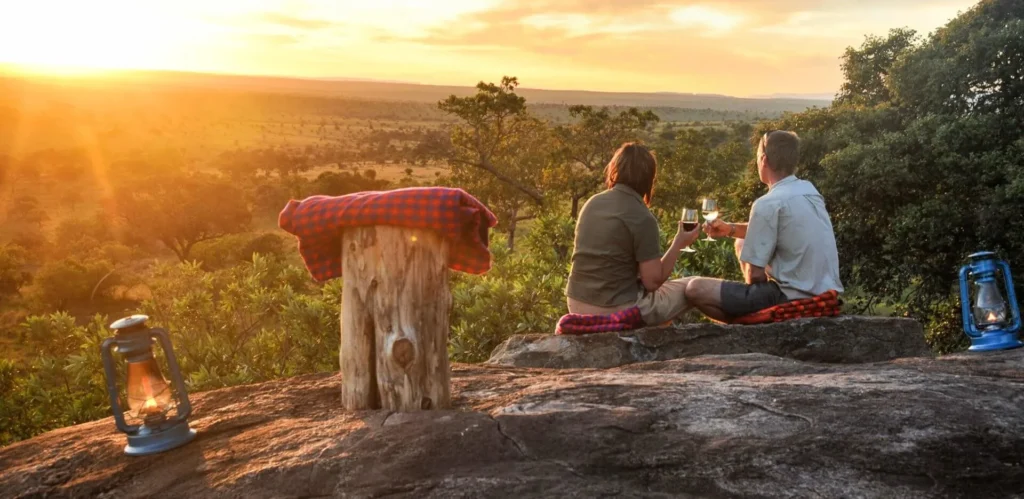
The wide-open scenery also makes the Serengeti particularly attractive for photography, especially during sunrise and sunset.
Tarangire offers a more varied woodland and river environment. Its landscape is characterised by large baobab trees, acacia woodlands, open grasslands, seasonal swamps and the Tarangire River.
The baobab trees are among the park’s most distinctive features. Their unusual shapes and enormous trunks create a beautiful setting for wildlife photography.
During the dry season, the river becomes an important source of water for wildlife. Animals from surrounding areas gather around it, making the river valleys particularly rewarding for game viewing.
During the rainy season, the park becomes greener, with fresh vegetation and seasonal water sources spread across the landscape.
This category depends on your personal preference.
Choose Serengeti for wide-open plains, dramatic horizons and classic African savannah scenery. Choose Tarangire for ancient baobab trees, woodland landscapes and beautiful river settings.
Both national parks are excellent destinations for birdwatchers.
The Serengeti has more than 500 recorded bird species. Its habitats support a wide range of birds, including ostriches, secretary birds, kori bustards, eagles, vultures, storks and various smaller savannah species.
The park is particularly interesting for birdwatchers who enjoy observing large birds of prey and open-country species.
Tarangire is also an excellent birdwatching destination, with a rich variety of resident and migratory birds.
Its river habitats, wetlands, woodlands and grasslands attract different bird species throughout the year. Visitors may encounter yellow-collared lovebirds, hornbills, bee-eaters, starlings, ostriches, eagles and several species of waterbirds.
The green season can be particularly rewarding because migratory birds are present and the landscape provides excellent photographic opportunities.
Both parks are rewarding for birdwatching. Serengeti has an impressive variety of bird species, while Tarangire offers excellent opportunities to explore different habitats and observe birds around its river and wetlands.
The safari experience is not only about the number of animals you see. The landscape, pace of travel, type of wildlife encounters and atmosphere also matter.
A Serengeti safari often involves travelling across large areas of open wilderness in search of wildlife.
Game drives may take you through grasslands, river valleys, woodland and rocky areas. Depending on the season and location, you may spend time observing lions resting under trees, cheetahs scanning the plains, elephants moving through woodland or large herds of wildebeest crossing open grassland.
Because the park is so large, choosing the right region is important. Central Serengeti is known for resident wildlife and good year-round game viewing. The northern Serengeti is particularly important during the migration season, while the southern plains are associated with the calving season.
Some camps and lodges also offer hot-air balloon safaris, subject to location, season and availability.
Tarangire often provides a more intimate safari experience, particularly outside the busiest dry-season months.
Game drives follow routes through woodland, open grassland and areas around the Tarangire River. Visitors may spend time watching elephant families moving through the trees, giraffes feeding on acacia leaves or lions resting in the shade.
The park’s distinctive scenery adds another dimension to the experience. Seeing elephants walking beneath enormous baobab trees is one of the memorable sights of a Tarangire safari.
Some accommodation options around the park may also offer guided walking experiences, subject to location and the relevant permissions.
Serengeti is ideal for a longer safari with varied wildlife experiences across different regions. Tarangire is excellent for a shorter, relaxed safari focused on elephants, woodland scenery and river wildlife.
The best time to visit each park depends on the wildlife you want to see and the type of safari experience you prefer.
Serengeti offers good wildlife viewing throughout the year, but different seasons provide different highlights.
| Period | What to expect |
|---|---|
| January–March | Calving season in the southern plains and Ndutu area, with increased predator activity |
| April–May | Green landscapes, seasonal rainfall and generally fewer visitors |
| June–July | Dry-season game viewing and possible Grumeti River crossings |
| August–October | Northern Serengeti migration and possible Mara River crossings |
| November–December | Green-season scenery and herds generally moving south |
If your main interest is the Great Migration, plan your trip around the expected location of the herds rather than choosing dates based only on the park name.
Tarangire is generally at its best during the dry season, from June to October.
As water becomes less available across the surrounding landscape, elephants and other animals concentrate around the Tarangire River and remaining water sources. This makes wildlife easier to find and observe.
| Period | What to expect |
|---|---|
| January–February | Generally good conditions, with a mix of dry and green-season scenery |
| March–May | Long rains, greener landscapes and more dispersed wildlife |
| June–July | Dry-season conditions begin to concentrate animals around water |
| August–October | Excellent elephant viewing and strong wildlife concentrations |
| November–December | Short rains, fresh vegetation and good birdwatching opportunities |
Serengeti has the advantage of offering rewarding wildlife experiences throughout the year, with different migration highlights in different regions.
Tarangire is particularly rewarding during the dry season, when wildlife gathers around the river.
If you are travelling between June and October, both parks can be excellent choices. If you are travelling during the green season, Serengeti may be the stronger choice for a migration-focused safari, while Tarangire can still offer beautiful scenery and birdlife.
Both parks offer a range of accommodation options, including luxury lodges, tented camps, mid-range properties and public or special campsites.
The Serengeti has a wide selection of accommodation spread across its different regions.
Options include permanent lodges and tented camps, as well as seasonal mobile camps that move according to the expected migration patterns.
For example, travellers visiting during the calving season may prefer accommodation in the southern Serengeti or Ndutu area. Those hoping to see the northern migration may choose camps in the northern Serengeti.
Staying in the right region can reduce unnecessary driving and give you more time for wildlife viewing.
Tarangire has several lodges and tented camps inside and around the park.
Some properties offer views of the surrounding woodland or river areas, while others are located outside the park boundaries.
The accommodation experience can be particularly attractive for travellers looking for a quiet setting surrounded by nature. Luxury tented camps provide an opportunity to enjoy the sounds of the African wilderness while maintaining a high level of comfort.
Serengeti offers more regional variety and a wider choice of migration-focused camps. Tarangire is an excellent choice for a peaceful stay in a distinctive baobab and woodland environment.
For either destination, choose accommodation based on its location, not only its facilities. A well-positioned camp can make a significant difference to your safari experience.
Both parks are part of Tanzania’s Northern Safari Circuit, but Tarangire is considerably easier to reach from Arusha.
The Serengeti is a large park, and reaching it by road from Arusha takes several hours. The journey can take much of a day, depending on your route, stops and final destination within the park.
Travellers can also use domestic flights from Arusha or other safari destinations to airstrips serving different parts of the Serengeti.
Flying is a convenient option for travellers with limited time or those who prefer to avoid long road transfers. However, the cost is generally higher than travelling by road.
Tarangire is located approximately 120 kilometres southwest of Arusha, making it one of the more accessible parks on the Northern Circuit.
The drive usually takes around two to three hours, depending on your starting point, road conditions and park gate.
Its location makes it suitable for travellers who have limited time or want to begin their safari shortly after arriving in Arusha.
Tarangire is the easier park to reach from Arusha. Serengeti requires more travel time, but domestic flights can make the journey more convenient.
The total cost of a safari depends on several factors, including accommodation, transport, park fees, the number of days, travel season and whether you choose a private or shared safari.
In general, Tarangire is often less expensive to include in a short safari because it is closer to Arusha and requires less travel time.
The Serengeti can increase the overall cost of a trip because of its distance, park-related charges, accommodation location and possible domestic flights.
However, the difference is not simply about the park entrance fee. Accommodation and transport can have a much greater effect on the final safari price.
| Cost factor | Serengeti | Tarangire |
|---|---|---|
| Road transfer from Arusha | Longer | Shorter |
| Domestic flights | Commonly used for convenience | Usually not necessary for a standard road safari |
| Accommodation | Wide range, including remote seasonal camps | Wide range, often with convenient access from Arusha |
| Short safari suitability | Less practical for a very short trip | Excellent |
| Overall budget | Often higher | Often lower for a short itinerary |
Tarangire is generally the more affordable option for a short safari. Serengeti is likely to require a larger budget, particularly if you want to stay in a remote region or travel by air.
For an accurate quotation, compare complete itineraries rather than park fees alone.
Both parks are suitable for first-time safari travellers, but they offer different introductions to Tanzania’s wildlife.
Serengeti is an excellent choice if you want to experience the classic African safari. Its open plains, large wildlife populations, famous predators and Great Migration make it a strong option for a first visit to Tanzania.
It is particularly suitable for travellers who have several days available and want to make the Serengeti a major part of their holiday.
Tarangire is a good choice for first-time visitors who have limited time or want a shorter safari from Arusha.
Its elephant herds, baobab trees and varied wildlife provide a memorable introduction to Tanzania’s national parks.
It is also a practical destination for travellers combining a safari with a visit to Ngorongoro Crater or other Northern Circuit attractions.
If you can visit only one park and have enough time and budget, Serengeti is usually the stronger overall choice. However, Tarangire is an excellent first safari destination, especially during the dry season.
Yes. In fact, visiting both parks is one of the best ways to experience the diversity of Tanzania’s Northern Safari Circuit.
The two destinations complement each other because they offer different landscapes and wildlife experiences.
Tarangire provides excellent elephant viewing and distinctive baobab scenery, while Serengeti offers vast plains, big cats and the Great Migration.
A safari combining both parks can also include Ngorongoro Crater and Lake Manyara, depending on the available time.
| Day | Destination | Safari experience |
|---|---|---|
| Day 1 | Arusha to Tarangire | Travel to Tarangire and enjoy an afternoon game drive |
| Day 2 | Tarangire National Park | Full-day game drive exploring elephant habitats, river areas and baobab landscapes |
| Day 3 | Tarangire to Serengeti | Travel towards Serengeti with wildlife viewing along the route |
| Day 4 | Serengeti National Park | Full-day game drive exploring the selected region of the park |
| Day 5 | Serengeti National Park | Continue exploring wildlife areas based on the season and migration location |
| Day 6 | Serengeti to Ngorongoro or Arusha | Enjoy a final game drive or begin the return journey, depending on the itinerary |
This itinerary is a starting point. The route and number of nights in each park should be adjusted according to your travel dates, the migration location and your preferred accommodation.
If the Great Migration is your main priority, consider spending more nights in the relevant Serengeti region rather than dividing your time equally between the two parks.
There is no single answer for every traveller. Both parks are exceptional, but the better choice depends on your safari priorities.
Choose Serengeti National Park if:
Choose Tarangire National Park if:
Our recommendation: If this is your first Tanzania safari and your budget and schedule allow, include both parks. Serengeti delivers the iconic migration and big-cat experience, while Tarangire adds a different landscape and outstanding elephant encounters.
If you must choose only one, Serengeti is the stronger all-round choice for most first-time safari travellers. However, Tarangire can be the better choice for a short dry-season safari focused on elephants and scenery.
Serengeti is generally better for the Great Migration, big cats and a longer classic African safari. Tarangire is better for elephant viewing, baobab scenery and shorter safaris. Both parks offer excellent wildlife experiences.
Yes. Tarangire is one of Tanzania’s most rewarding safari destinations, particularly during the dry season. It is famous for its elephant herds, baobab trees and beautiful river landscapes.
Both parks support some of the Big Five. Lions, leopards, elephants and buffaloes can be found in both destinations. However, black rhinos are rare and difficult to see in the Serengeti, and sightings in Tarangire are not something visitors should expect. Ngorongoro Crater is often a better addition if seeing the Big Five is a priority.
No. The Great Wildebeest Migration takes place across the wider Serengeti ecosystem and extends into Kenya’s Masai Mara. Tarangire is known for its seasonal wildlife concentrations, especially elephants around the Tarangire River.
Two to three days can provide a good introduction to the Serengeti, while three to five days or longer allow more time to explore different areas and follow seasonal wildlife movements.
One full day can provide a rewarding introduction to Tarangire. Two days allow more time to explore different areas, enjoy game drives at a relaxed pace and spend time observing wildlife.
Yes. June to October is generally the best period for concentrated wildlife viewing in Tarangire. As water sources become limited, many animals gather around the Tarangire River and other remaining water sources.
It is possible, but it would involve considerable driving and limited time in each park. A longer itinerary is recommended if you want to enjoy both destinations without rushing.
Tarangire is much closer to Arusha. The drive generally takes around two to three hours, while reaching the Serengeti by road takes considerably longer, depending on the region you are visiting.
Both parks are excellent for wildlife photography. Serengeti offers open plains, big cats and migration scenes, while Tarangire provides beautiful elephant photography opportunities against baobab trees and river landscapes.
Yes. Tarangire, Serengeti and Ngorongoro Crater are commonly combined in Northern Circuit safari itineraries. Allowing six to eight days or more provides a more comfortable pace, depending on the number of nights in each destination.
Tarangire is generally quieter than the Serengeti, although visitor numbers vary by season and location. The Serengeti is particularly busy around popular wildlife sightings and migration areas during peak travel months.
Whether you choose the endless plains of Serengeti or the elephant-rich landscapes of Tarangire, both parks offer unforgettable opportunities to experience Tanzania’s wildlife.
With Afrima Luxury Safaris, you can plan a safari around your preferred travel dates, wildlife interests, accommodation style and budget. We can also combine Serengeti and Tarangire with Ngorongoro Crater and other Northern Circuit destinations to create a well-paced itinerary.
Contact Afrima Luxury Safaris to start planning your Tanzania safari and discover the best of Serengeti and Tarangire.
There are no results matching your search
WhatsApp us