Tanzania is home to two remarkable mountains that attract hikers, trekkers and adventure travellers from around the world: Mount Kilimanjaro and Mount Meru. Both offer spectacular scenery, challenging trails and unforgettable experiences, but they provide very different climbing adventures.
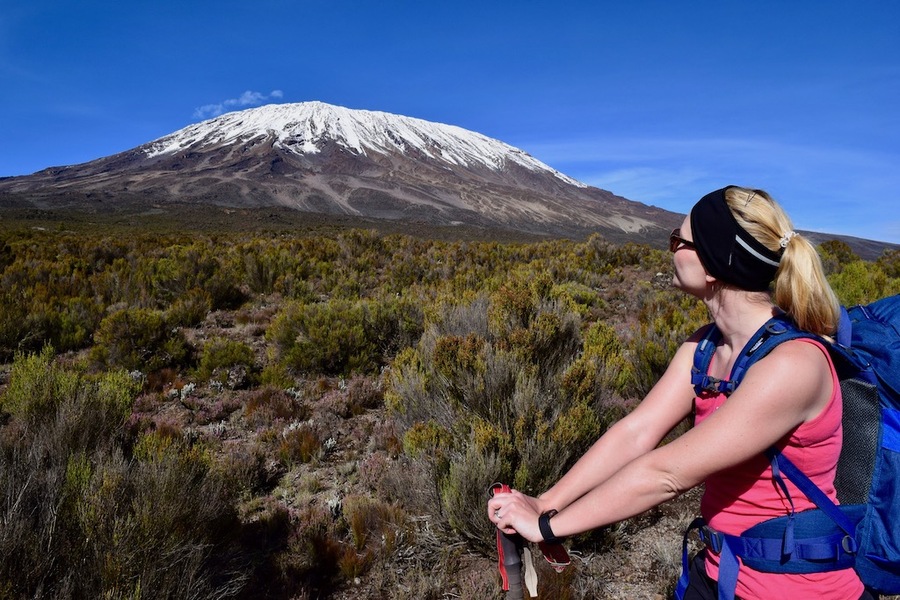
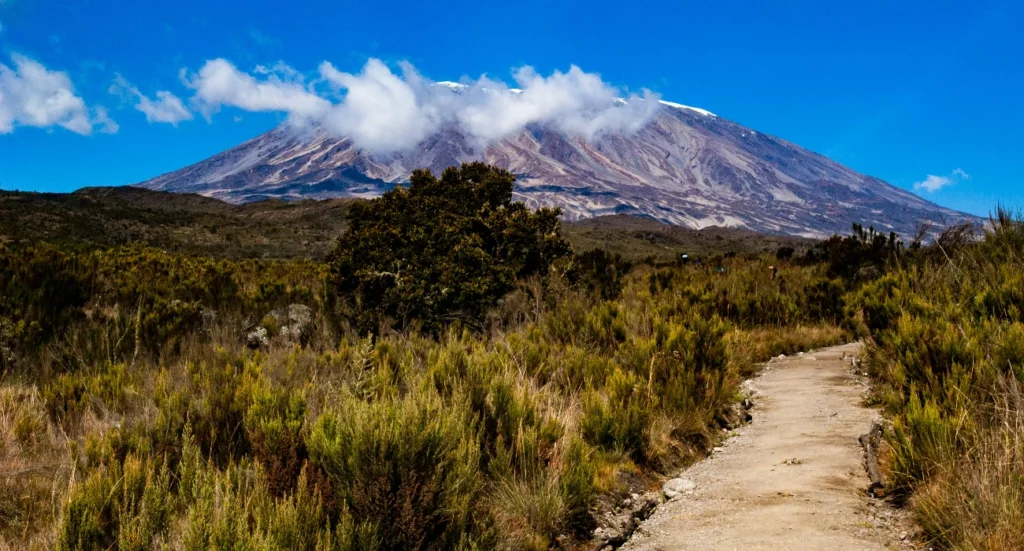
Mount Kilimanjaro is Africa’s highest mountain, standing at 5,895 metres above sea level. Its summit, Uhuru Peak, is a major achievement for climbers who want to stand on the highest point of the continent.
Mount Meru, at approximately 4,566 metres, is Tanzania’s second-highest mountain. Located within Arusha National Park, it offers a beautiful climb through montane forests, open heathland and volcanic landscapes, with impressive views of Kilimanjaro on clear days.
So, which mountain should you climb? Is Kilimanjaro the better choice because of its height and international reputation, or is Mount Meru a more rewarding adventure?
The answer depends on your fitness, trekking experience, available time and personal goals. This guide compares both mountains to help you choose the right climbing experience in Tanzania.
Although the mountains are located relatively close to each other in northern Tanzania, their landscapes, elevations and climbing experiences are different.
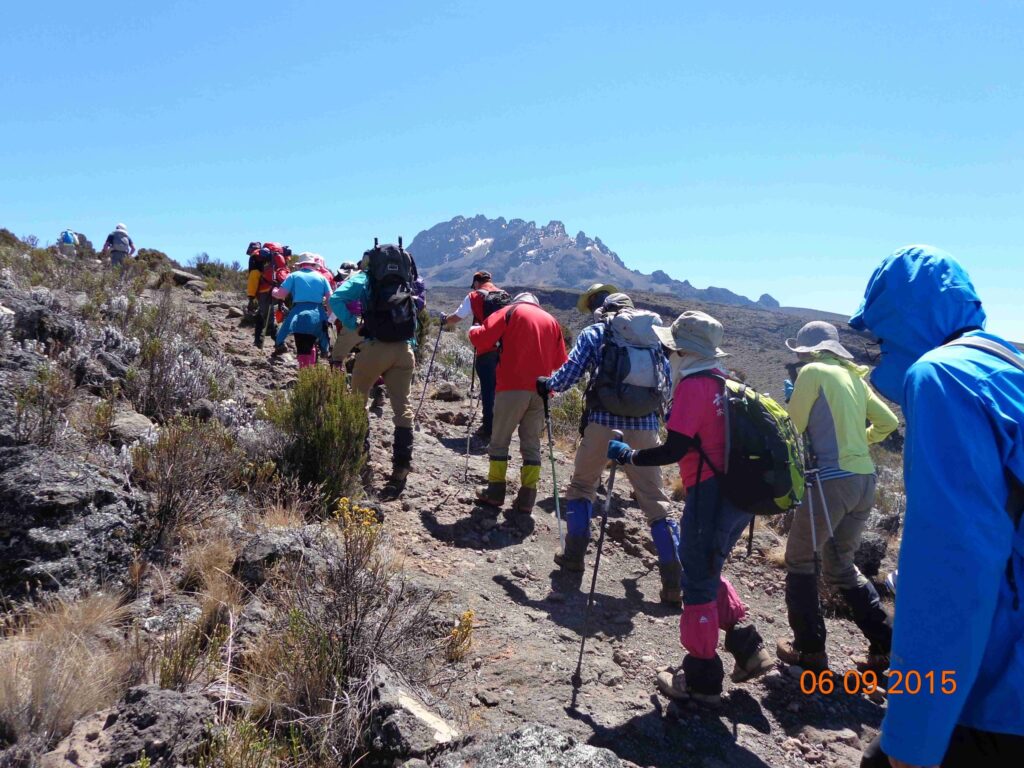
Mount Kilimanjaro is an enormous volcanic mountain with three main volcanic cones: Kibo, Mawenzi and Shira. Uhuru Peak, located on Kibo, is the highest point. The mountain is protected within Kilimanjaro National Park and is internationally recognised as a major trekking destination.
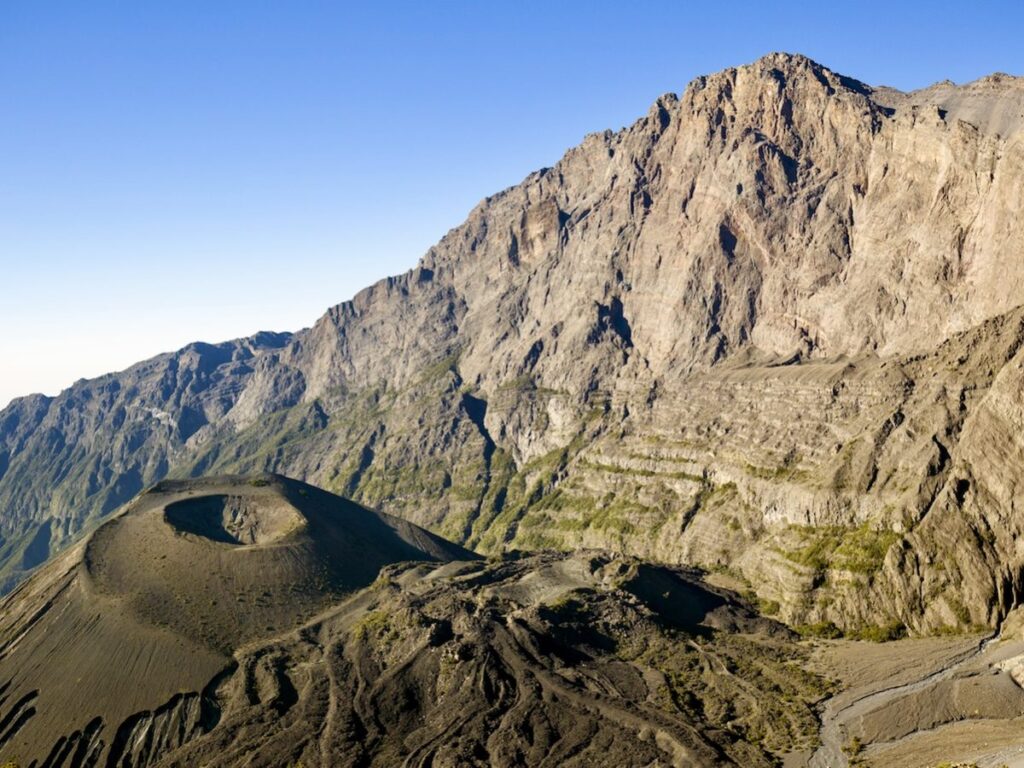
Mount Meru is a volcanic mountain located inside Arusha National Park. Its dramatic horseshoe-shaped crater, steep inner walls and forested slopes make it one of the most distinctive mountain landscapes in Tanzania.
Here is a quick comparison:
| Feature | Mount Kilimanjaro | Mount Meru |
|---|---|---|
| Elevation | 5,895 metres | 4,566 metres |
| Highest point | Uhuru Peak | Socialist Peak |
| Ranking in Tanzania | Highest mountain | Second-highest mountain |
| Location | Kilimanjaro Region | Arusha Region |
| Protected area | Kilimanjaro National Park | Arusha National Park |
| Typical climbing duration | 5–9 days, depending on route | Usually 3–4 days |
| Main attraction | Reaching Africa’s highest point | Scenic volcanic landscapes and challenging ridge summit |
| Accommodation | Tents or mountain huts on Marangu | Mountain huts |
| Wildlife experience | Wildlife mainly in lower forest areas | Wildlife encounters along the lower mountain trails |
| Difficulty | High-altitude trekking challenge | Steep and demanding mountain trek |
| Best for | Summit achievement and multi-day trekking | Shorter mountain adventure and acclimatisation |
Both mountains offer rewarding adventures, but Kilimanjaro is the stronger choice for travellers whose main goal is reaching Africa’s highest summit, while Meru is ideal for those seeking a shorter but challenging climb.
The biggest difference between Kilimanjaro and Mount Meru is their elevation.
Standing at 5,895 metres, Mount Kilimanjaro is the highest mountain in Africa and the world’s tallest free-standing mountain. Its summit, Uhuru Peak, is located on Kibo, one of the mountain’s three volcanic cones.
Reaching Uhuru Peak is a major achievement. Climbers pass through several vegetation zones, starting in tropical rainforest and continuing through heathland, moorland, alpine desert and the high-altitude summit zone.
The final ascent usually begins around midnight, with climbers walking through the darkness towards Stella Point or Gilman’s Point before continuing to Uhuru Peak.
Standing at the summit as the sun rises over the African landscape is one of the most memorable experiences of a Kilimanjaro climb.
Mount Meru stands at approximately 4,566 metres, making it the second-highest mountain in Tanzania.
Its highest point is Socialist Peak, which sits along a narrow crater rim. The mountain has a dramatic volcanic structure, with a large horseshoe-shaped crater created by a major collapse of its eastern side.
The final section of the climb follows a steep ridge towards the summit. Climbers are rewarded with impressive views of the crater, surrounding landscapes and, when weather conditions are favourable, Mount Kilimanjaro in the distance.
Although Mount Meru is shorter than Kilimanjaro, reaching its summit is still a demanding physical achievement.
Which summit experience is better?
Kilimanjaro is the obvious choice if you want to reach the highest point in Africa. Mount Meru is ideal if you prefer a shorter mountain expedition with dramatic volcanic scenery and a challenging summit ridge.
Both mountains require physical fitness, preparation and the ability to walk for several hours a day. However, their challenges are different.
Kilimanjaro is a non-technical trekking mountain on its standard summit routes. This means climbers do not normally need ropes, specialist climbing equipment or technical mountaineering skills to reach Uhuru Peak.
However, the altitude makes the climb challenging. At 5,895 metres, oxygen availability is significantly lower than at sea level, and climbers can experience altitude-related symptoms even when they are physically fit.
The main challenges include:
High altitude and reduced oxygen availability.
Long daily walking distances.
Cold temperatures, particularly near the summit.
A demanding summit night.
Physical and mental fatigue over several days.
The most important factor is allowing enough time for acclimatisation. Choosing a longer itinerary gives your body more opportunity to adjust to the altitude.
Mount Meru is also a demanding high-altitude trek, even though it is lower than Kilimanjaro.
The route passes through forested slopes before reaching open mountain terrain and the exposed summit ridge. The final ascent involves steep, narrow sections that require careful footing and confidence on exposed trails.
Its main challenges include:
Steep and sometimes rocky trails.
Long walking days.
High-altitude conditions.
A demanding early-morning summit ascent.
Exposed sections along the crater rim.
Mount Meru should not be treated as an easy introductory hike. It requires good physical preparation and a willingness to walk on steep mountain terrain.
Which mountain is harder?
Kilimanjaro generally presents the greater altitude challenge because of its higher summit. Mount Meru has its own physical and terrain-related challenges, particularly on the final ridge. Neither mountain should be underestimated.
Route selection plays an important role in your mountain experience. It determines the scenery you encounter, the duration of your climb, your accommodation and how much time you have for acclimatisation.
Kilimanjaro has several established routes leading to Uhuru Peak. Each offers a different approach to the mountain.
Lemosho Route
Lemosho is one of the most scenic routes, approaching from the western side of the mountain. It offers a gradual ascent, beautiful landscapes and a longer itinerary that allows more time for acclimatisation.
Machame Route
Machame is one of the most popular routes. It is known for its varied scenery, challenging sections and the opportunity to climb high and sleep lower at certain stages.
Marangu Route
Marangu approaches from the southeastern side and is the only standard Kilimanjaro route with mountain hut accommodation. It is often called the Coca-Cola Route.
Rongai Route
Rongai approaches from the northern side of the mountain near the Kenyan border. It is generally quieter during some periods and offers a different perspective of Kilimanjaro.
Northern Circuit Route
The Northern Circuit is the longest established route to the summit. It circles much of the northern side of the mountain and provides an extended itinerary with substantial acclimatisation time.
Umbwe Route
Umbwe is a steep and demanding approach, generally more suitable for experienced trekkers who are comfortable with a faster, more challenging ascent profile.
Mount Meru has one main established trekking route, the Momella Route.
The climb begins at Momella Gate in Arusha National Park and passes through different vegetation zones before reaching the mountain’s higher slopes.
The route usually follows this progression:
Day 1: Momella Gate to Miriakamba Hut. Walk through forest and open vegetation, with opportunities to see wildlife along the trail.
Day 2: Miriakamba Hut to Saddle Hut. Continue climbing through montane forest and heathland towards higher elevations.
Day 3: Saddle Hut to Socialist Peak and descent to Miriakamba Hut. Begin the summit attempt in the early morning, follow the crater ridge to the summit, and descend after reaching the peak.
Day 4: Miriakamba Hut to Momella Gate. Complete the descent through the forest and leave the national park.
Some itineraries use a three-day schedule, but a four-day climb provides a more relaxed pace and additional time on the mountain.
Which mountain offers better routes?
Kilimanjaro offers more route choices, making it easier to select an itinerary based on scenery, duration and acclimatisation preferences. Mount Meru offers a more straightforward route structure, with the Momella Route providing the standard approach to its summit.
Both mountains offer remarkable scenery, but their landscapes are quite different.
One of Kilimanjaro’s most impressive features is the variety of landscapes encountered during the climb.
As you ascend, you pass through several distinct ecological zones:
Cultivated lower slopes: Agricultural landscapes and local communities surround the mountain’s lower elevations.
Montane rainforest: A lush forest with tall trees, ferns, mosses and wildlife.
Heath and moorland: Open vegetation, giant heathers and unusual mountain plants.
Alpine desert: A dry, rocky landscape with limited vegetation.
Arctic summit zone: Cold, exposed terrain with glaciers and volcanic features.
This gradual transformation makes Kilimanjaro particularly rewarding for travellers interested in nature and mountain landscapes.
Mount Meru is famous for its dramatic crater structure and beautiful forest environments.
The lower slopes are covered in montane forest, where climbers may encounter colobus monkeys, buffaloes, giraffes and other wildlife.
As the trail climbs higher, the vegetation becomes more open, revealing heathland, rocky terrain and expansive views.
One of the most impressive features is the crater rim. Its steep walls and volcanic formations create a dramatic landscape around the summit route.
Which has better scenery?
Kilimanjaro offers greater variety because of its size and different ecological zones. Mount Meru is particularly impressive for its volcanic crater, steep ridges and forest scenery. Both are excellent destinations for mountain photography.
Wildlife is another important difference between the two mountains.
Kilimanjaro’s lower forest zone supports several species of mammals and birds. Climbers may encounter:
Blue monkeys.
Black-and-white colobus monkeys.
Bushbucks.
Duikers.
Forest birds.
Other small mammals.
Wildlife encounters are more common in the lower forest sections. As you climb higher, the environment becomes less suitable for most large animals.
Mount Meru offers a particularly interesting wildlife experience because it is located within Arusha National Park.
The lower mountain slopes and forest areas support animals such as:
Giraffes.
African buffaloes.
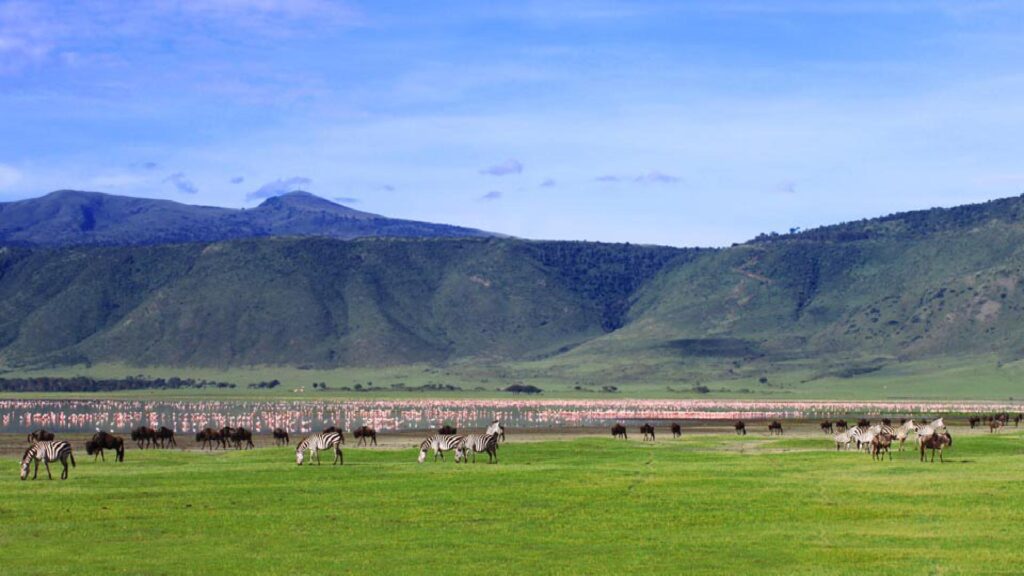
Zebras.
Warthogs.
Bushbucks.
Black-and-white colobus monkeys.
Blue monkeys.
A variety of birds.
The initial sections of the climb can feel like a walking safari, with opportunities to observe animals in their natural habitat.
An armed ranger accompanies climbers on the mountain because of wildlife activity in the park.
Which is better for wildlife?
Mount Meru generally offers more opportunities to encounter large wildlife along its lower slopes. Kilimanjaro is particularly rewarding for its forest wildlife and mountain birdlife.
Both mountains can be climbed during much of the year, but weather conditions have a major influence on the experience.
The drier months generally provide more favourable trekking conditions, with better trail conditions and clearer views.
The two main climbing seasons are:
January to early March: Generally a good period for climbing, with relatively favourable weather and opportunities for clear mountain views. Conditions can vary, and snow may be present near the summit.
June to October: Another popular climbing period, generally characterised by drier conditions and cooler temperatures.
April and May are usually wetter months, while November and December can experience short rains. Climbs are still possible, but rain, cloud and muddy trails may affect the experience.
Mount Meru is also best enjoyed during the drier periods:
June to October: Generally favourable for trekking, with relatively dry conditions and good opportunities for mountain views.
January to February: Another good period for climbing, with generally favourable conditions.
March to May is usually wetter, and November and December may bring shorter rains.
Which mountain has better climbing weather?
Both mountains have similar seasonal weather patterns because they are located in northern Tanzania. June to October and January to February are generally good periods to consider for either climb.
However, mountain weather can change quickly, so climbers should always prepare for rain, cold temperatures and changing trail conditions.
Accommodation is an important part of the climbing experience, particularly on multi-day mountain expeditions.
Accommodation depends on the route you choose.
Most Kilimanjaro routes use designated mountain camps where climbers sleep in tents. The trekking team normally arranges tents, sleeping arrangements and camp logistics.
The Marangu Route is different because it uses mountain huts rather than tents. These include Mandara Hut, Horombo Hut and Kibo Hut.
Before and after the climb, visitors can stay in hotels and lodges around Moshi or nearby areas.
Mount Meru uses mountain huts along the Momella Route.
The main overnight stops are:
Miriakamba Hut: The first main overnight stop, located on the mountain’s forested slopes.
Saddle Hut: The second overnight stop, situated higher on the mountain and used as the starting point for the summit attempt.
These huts provide basic mountain accommodation for climbers. Facilities are more functional than luxurious, so visitors should be prepared for shared mountain facilities.
Before and after the climb, travellers can stay in lodges and hotels around Arusha.
Which mountain has better accommodation?
Kilimanjaro offers more variety because most routes use camps while the Marangu Route provides hut accommodation. Mount Meru has a simpler hut-based system, which makes the overnight arrangements more straightforward.
Both mountains are located in northern Tanzania and can be accessed through the Arusha region.
Kilimanjaro is located near Moshi and can be accessed from Kilimanjaro International Airport or through Arusha.
The drive from Kilimanjaro International Airport to Moshi is relatively short. From Moshi, climbers travel to their selected mountain gate depending on the route.
Common starting points include:
Machame Gate.
Marangu Gate.
Londorossi Gate.
Rongai Gate.
The starting gate depends on the climbing route and itinerary.
Mount Meru is located within Arusha National Park, approximately 30 minutes by road from Arusha town to the park area, depending on the starting point and traffic.
Climbers normally travel to Momella Gate, where the trek begins.
Because of its proximity to Arusha, Mount Meru is particularly convenient for travellers staying in the city or combining their climb with a northern Tanzania safari.
Which mountain is easier to access?
Mount Meru is generally more convenient for travellers based in Arusha because of its proximity to the town. Kilimanjaro is also accessible, particularly for visitors arriving through Kilimanjaro International Airport or staying in Moshi.
The cost of climbing either mountain depends on several factors, including the number of days, group size, accommodation, park fees, guide services, porters, equipment and the operator you choose.
Kilimanjaro climbs are generally more expensive because they involve more days on the mountain, larger support teams and higher overall logistical requirements.
The final price usually includes:
National park fees.
Camping or hut accommodation fees.
Professional mountain guides.
Porters and other support staff.
Meals and drinking water arrangements.
Transfers to and from the mountain.
Pre- and post-climb accommodation, depending on the package.
Longer routes generally cost more because of the additional days, staff support and park-related expenses.
Mount Meru climbs are generally less expensive than Kilimanjaro because the typical itinerary is shorter.
However, the climb still requires professional guides, park arrangements, accommodation, meals and an armed ranger escort.
The shorter duration can reduce the overall cost, but the final price depends on the operator, group size and package inclusions.
Which mountain is more affordable?
Mount Meru is generally the more affordable option because it requires fewer days. Kilimanjaro costs more, but it offers the opportunity to climb Africa’s highest mountain and complete a longer trekking adventure.
For an accurate comparison, request a detailed quotation showing park fees, guide and porter services, accommodation, meals, transfers and other inclusions.
Both mountains can be considered by first-time mountain trekkers, provided they are physically prepared and understand the challenges of high-altitude trekking.
Kilimanjaro is suitable for beginners who are reasonably fit, prepared and willing to follow a properly designed itinerary.
You do not need previous technical mountaineering experience for the standard summit routes. However, you should be prepared for several days of walking, high altitude and a demanding summit night.
For first-time climbers, longer itineraries are generally preferable because they allow more time for acclimatisation.
The 8-day Lemosho Route and longer Northern Circuit itineraries are worth considering for climbers who prioritise a gradual ascent.
Mount Meru can also be suitable for first-time trekkers with good fitness and preparation.
Its shorter itinerary may make it attractive to travellers who have limited time. However, the final ridge is steep and exposed, and the climb should not be treated as an easy alternative to Kilimanjaro.
The three- or four-day itinerary should be selected according to the climber’s fitness, experience and the operator’s guidance.
Which is better for beginners?
Neither mountain is automatically easy for beginners. Kilimanjaro offers more route and duration options, while Mount Meru provides a shorter expedition. The best choice depends on your fitness, comfort with exposed trails and ability to manage altitude.
Yes. Combining Mount Meru and Kilimanjaro is a popular option for travellers who have enough time for both adventures.
Climbing Mount Meru before Kilimanjaro can provide useful trekking experience and some exposure to higher elevations. It also allows you to become familiar with multi-day mountain routines, including walking with a guide, staying in mountain huts and managing your daily energy.
However, climbing Meru does not guarantee successful acclimatisation for Kilimanjaro. Your body still needs sufficient time to adjust to Kilimanjaro’s greater altitude.
A possible itinerary is:
Days 1–4: Mount Meru climb
Complete the four-day Momella Route, reaching Socialist Peak before descending through the mountain forest.
Day 5: Rest and recovery in Arusha
Spend a day resting, hydrating and preparing for the next climb.
Days 6–13: Mount Kilimanjaro climb
Begin an 8-day Kilimanjaro itinerary, such as Lemosho, allowing adequate time for acclimatisation.
This is a demanding combined adventure and should be planned with appropriate recovery time. Your mountain operator should assess the schedule based on your health, fitness and how you respond to altitude.
The right mountain depends on the experience you want.
Choose Mount Kilimanjaro if:
You want to reach the highest point in Africa.
You are interested in a longer multi-day trekking adventure.
You want several route options.
You are prepared for the challenges of high altitude.
Reaching Uhuru Peak is one of your major travel goals.
Choose Mount Meru if:
You want a shorter mountain expedition.
You enjoy dramatic volcanic landscapes.
You want opportunities to see wildlife during the climb.
You prefer a mountain located close to Arusha.
You want to combine mountain trekking with a northern Tanzania safari.
If you have enough time and physical preparation, climbing both mountains can be a rewarding way to experience Tanzania’s mountain landscapes.
Kilimanjaro generally presents a greater altitude challenge because it reaches 5,895 metres. Mount Meru is lower but has steep and exposed sections, particularly near the summit. Both require good fitness and preparation.
Yes. Mount Meru offers a rewarding mountain experience with beautiful forests, wildlife, volcanic scenery and impressive views from the summit. It is an excellent option for travellers looking for a shorter mountain adventure in Tanzania.
Yes, beginners with good physical fitness and preparation can consider climbing Mount Meru. However, the route is demanding, particularly near the summit, and should not be treated as an easy hike.
Most Mount Meru climbs take three or four days using the Momella Route. A four-day itinerary provides a more relaxed schedule and additional time on the mountain.
Most Kilimanjaro climbing itineraries take between five and nine days, depending on the route. Longer itineraries generally provide more time for acclimatisation.
Yes. Mount Kilimanjaro can be seen from Mount Meru when weather conditions are clear. The view is particularly impressive from higher sections of the mountain.
The standard Momella Route does not normally require specialist technical climbing skills. However, the summit ridge is steep and exposed, requiring confidence, careful footing and appropriate guidance.
Mount Meru can provide useful trekking experience and some exposure to altitude before climbing Kilimanjaro. However, it does not replace the acclimatisation time required for a successful Kilimanjaro climb.
Mount Meru is generally less expensive because its typical climbing itinerary is shorter. Kilimanjaro requires more days, staff support and mountain logistics, which usually increases the overall cost.
The highest point is Socialist Peak, at approximately 4,566 metres above sea level.
Yes. Travellers can combine both mountains in one itinerary. However, sufficient time should be allocated for recovery between climbs, and the overall schedule should account for altitude acclimatisation.
January to February and June to October are generally favourable periods for climbing both mountains. Weather conditions can change quickly, so climbers should always prepare for rain, cold and changing trail conditions.
Whether your goal is to stand on Africa’s highest point at Uhuru Peak or experience the dramatic volcanic landscapes of Mount Meru, Tanzania offers remarkable opportunities for mountain adventures.
At Afrima Luxury Safaris, we help travellers plan mountain climbing experiences based on their fitness, available time and personal goals. From selecting the right route and arranging professional mountain guides to organising accommodation, transfers and support teams, we take care of the details of your journey.
You can also combine your mountain adventure with a Tanzania wildlife safari to experience more of the country’s natural beauty.
Contact Afrima Luxury Safaris to start planning your Mount Kilimanjaro or Mount Meru climbing adventure.
There are no results matching your search
WhatsApp us