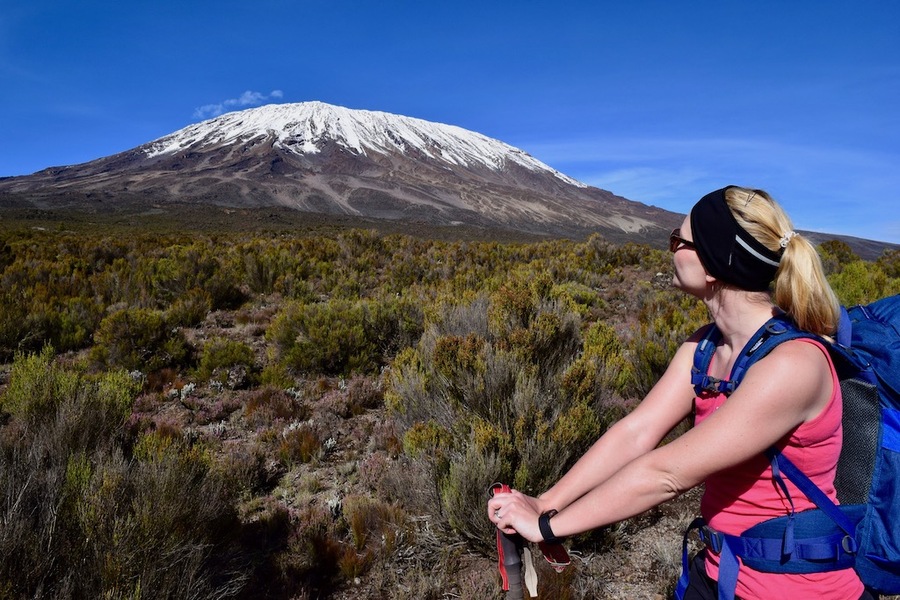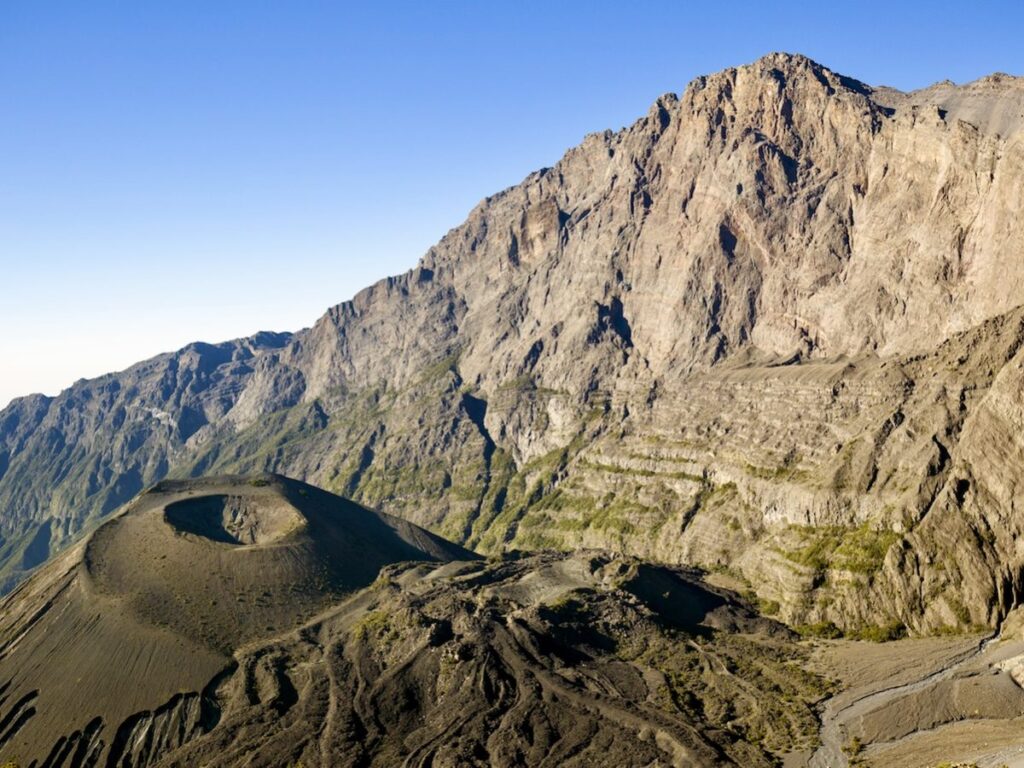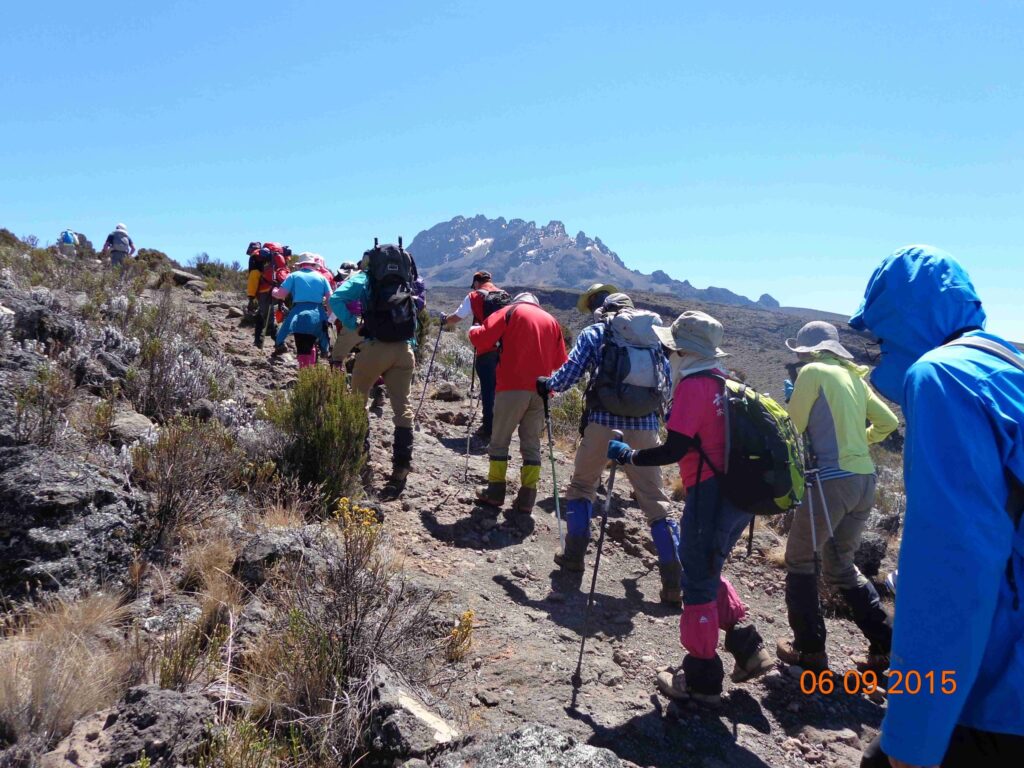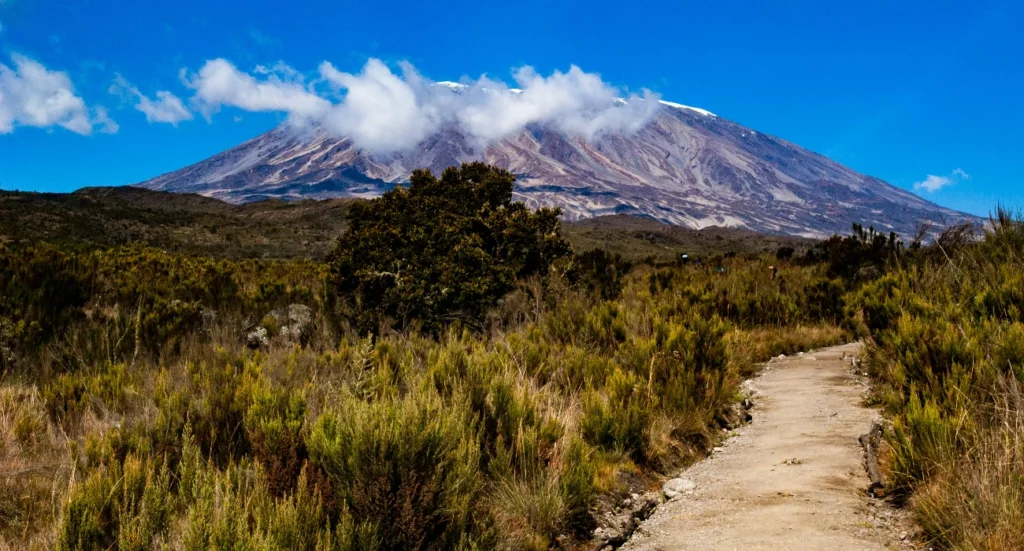
Mount Kilimanjaro is one of the most famous trekking destinations in Africa, attracting climbers from around the world who want to reach Uhuru Peak, the highest point on the continent at 5,895 metres above sea level. Although the mountain can be climbed throughout the year, choosing the right time can make a significant difference to your experience.
Weather conditions, rainfall, visibility, trail conditions and the number of other climbers vary throughout the year. Some months offer clearer skies and drier trails, while others bring rain, cloud and more challenging trekking conditions.
So, when is the best time to climb Mount Kilimanjaro?
Generally, January to February and June to October are the most favourable climbing periods. January and February offer relatively warm conditions, while July, August and September are known for drier weather and clearer skies. The long rainy season from March to May is usually less suitable for climbing, particularly for travellers who want more predictable weather.
This guide explains the best time to climb Kilimanjaro, what to expect in every month, and how to choose suitable dates for your trek.
| Month | General conditions | Climbing recommendation |
|---|---|---|
| January | Generally dry, clear and relatively warm | Excellent |
| February | Generally dry with good visibility | Excellent |
| March | Increasing rainfall and cloud, especially later in the month | Mixed |
| April | Long rainy season, wet trails and poor visibility | Not recommended for most climbers |
| May | Continued long rains and muddy conditions | Not recommended for most climbers |
| June | Rainfall decreases, cooler conditions and improving trails | Very good |
| July | Dry, cold and clear, with many climbers | Excellent |
| August | Generally dry, clear and busy | Excellent |
| September | Dry conditions and good visibility, with gradually fewer crowds | Excellent |
| October | Generally good early in the month, with possible short rains later | Very good |
| November | Short rainy season, with occasional showers | Mixed |
| December | Variable conditions, often improving later in the month | Good, especially late December |
Best overall months: January, February, July, August and September.
Best months for fewer crowds with generally favourable weather: February, June and late September.
Months to avoid if you prefer dry conditions: April and May. March and November are also less predictable.
These are general seasonal patterns, not guaranteed weather forecasts. Conditions on the mountain can change quickly, even during the dry seasons.
Unlike destinations with four clearly defined seasons, Mount Kilimanjaro experiences two main rainy periods and two generally drier periods.
Understanding these seasons will help you select suitable climbing dates.
January and February are among the best months to climb Kilimanjaro.
During this period, the mountain generally experiences relatively dry weather, clearer skies and warmer daytime temperatures compared with the main June-to-September climbing season.
These conditions can provide excellent opportunities to enjoy the mountain’s landscapes and views. The trails are generally in better condition than during the rainy months, although occasional showers are still possible.
January can attract a considerable number of climbers, particularly around the holiday period. February is also popular but can offer a slightly quieter experience depending on the route and departure dates.
Best for: Climbers looking for good weather, relatively warm conditions and excellent visibility.
The long rainy season generally begins around March and continues through May.
Rainfall becomes more frequent, particularly on the southern and eastern slopes of the mountain. The rainforest sections can become wet and muddy, while cloud cover may reduce visibility.
April and May are usually the wettest months, making them less attractive for most climbers. The experience can be more challenging because of slippery trails, wet clothing and uncomfortable camping conditions.
However, climbing is not automatically impossible during this period. Experienced trekkers who are comfortable with wet conditions may still choose to climb, provided they have suitable equipment and a properly planned itinerary.
The Rongai Route, which approaches Kilimanjaro from the northern side, can be worth considering because the northern slopes are generally drier. However, it is not guaranteed to remain dry.
Best for: Experienced and flexible trekkers who are comfortable with rain and quieter trails.
Less suitable for: First-time climbers who prefer more predictable weather and dry trekking conditions.
June to October is the main climbing season on Kilimanjaro and one of the most popular periods for trekking.
Rainfall is generally lower, the trails become drier and visibility improves. These conditions make it an excellent period for climbers who want a more predictable trekking experience.
July and August are particularly popular because of the generally dry weather and holiday travel periods. September is also an excellent month, often offering good conditions with somewhat fewer climbers than the peak holiday months.
Temperatures can be cold, especially at higher elevations and during the final summit attempt. Proper thermal clothing and suitable sleeping equipment are essential.
Best for: First-time climbers, travellers looking for drier trails and those who prioritise clear mountain views.
The short rainy season generally occurs around November and can sometimes extend into December.
Rainfall is usually less persistent than during the long rainy season, although showers and cloudy conditions can still affect the climb.
November is generally less predictable, but the mountain is often quieter than during the main dry season.
December can offer improving conditions, particularly later in the month, although the weather remains variable. The Christmas and New Year holidays also attract more climbers.
Best for: Travellers with flexible schedules who want to avoid the busiest climbing months and are prepared for occasional rain.
Each month offers a different combination of weather, trail conditions, visibility and visitor numbers. Here is what to expect throughout the year.
January is one of the best months to climb Mount Kilimanjaro. It generally offers relatively dry conditions, good visibility and comfortable daytime temperatures at lower elevations.
The mountain is often attractive during this period because the weather allows climbers to enjoy the changing landscapes as they move through the different ecological zones.
However, January can be busy, especially around the New Year holiday period. Booking your climb in advance is advisable if you have specific dates or accommodation preferences.
Verdict: An excellent month for climbers looking for favourable weather and good summit views.
February is another excellent month for climbing Kilimanjaro. Conditions are generally dry, visibility is often good and daytime temperatures can be relatively warm.
It is particularly attractive for climbers who want to avoid some of the busiest periods while still enjoying favourable weather.
The combination of generally good trail conditions and relatively stable weather makes February a strong choice for first-time climbers.
Verdict: One of the best months for combining favourable weather with a potentially less crowded experience.
March is a transitional month. The first part can still offer reasonable climbing conditions, but rainfall and cloud cover generally increase as the month progresses.
Early March may be suitable for climbers who want to take advantage of the end of the short dry season. Later in the month, wet conditions become more likely, particularly on the lower and forest sections.
If you are considering March, choosing your departure dates carefully is important.
Verdict: Early March can be a reasonable option, but conditions become less predictable later in the month.
April is generally one of the least favourable months for climbing Kilimanjaro.
The long rains bring frequent rainfall, muddy trails and increased cloud cover. The rainforest zone can be particularly wet, making trekking more uncomfortable.
Although there are fewer climbers during this period, the quieter trails may not compensate for the difficult weather conditions.
Climbers who choose April should have proper waterproof clothing, reliable rain protection and a flexible approach to the trek.
Verdict: Generally not recommended for travellers who want favourable weather and comfortable trekking conditions.
May is also part of the long rainy season. Rainfall can remain frequent, and some sections of the mountain may be wet and muddy.
Cloud cover can affect views, while low temperatures at higher elevations make wet clothing particularly uncomfortable.
The number of climbers is usually lower than during the main dry season, but this does not make May an ideal choice for most visitors.
If you must climb during May, discuss the route and expected conditions with your operator. The northern approach may be worth considering, although it does not remove the possibility of rain.
Verdict: One of the least recommended months for climbing Kilimanjaro.
June marks the beginning of the main dry season.
Rainfall generally decreases, and trail conditions begin to improve. The mountain can still experience some cloud and occasional rain, particularly early in the month.
Temperatures are relatively cool, especially at higher elevations. However, the improving weather makes June an excellent time to plan a climb.
It can also be a good alternative to July and August for travellers who prefer to avoid some of the busiest weeks.
Verdict: A very good month, particularly later in June as conditions become drier.
July is one of the most popular months to climb Kilimanjaro.
The weather is generally dry, visibility is often excellent and the trails are usually in good condition. These conditions make it particularly attractive for travellers who want to enjoy the mountain’s scenery.
However, July also attracts many climbers, especially during school holidays in several international markets. Popular routes and camps can become busy.
Temperatures can be cold, particularly during the summit attempt, so appropriate clothing is essential.
Verdict: Excellent for weather and visibility, but expect more climbers on popular routes.
August is another excellent month for climbing Kilimanjaro.
It generally offers dry conditions, good visibility and relatively stable weather. The mountain’s upper slopes can be particularly cold, especially at night and during the summit ascent.
August is a peak travel period, and popular routes may be busy. Booking early is recommended if you want particular departure dates or accommodation arrangements.
Verdict: Excellent for favourable weather and clear mountain views, but one of the busiest periods.
September is one of the strongest months for climbing Kilimanjaro.
The main dry season continues, offering good visibility and generally favourable trail conditions. Temperatures can be slightly more comfortable than during the coldest part of the July-August period.
Visitor numbers may begin to decrease compared with the peak holiday season, although popular routes can still be busy.
For many travellers, September offers an excellent balance between weather and visitor numbers.
Verdict: One of the best overall months to climb Kilimanjaro.
October is generally a good month for climbing, particularly during the first half.
The weather is often still favourable, with relatively dry trails and good visibility. As the month progresses, cloud cover and the possibility of short rains may increase.
October can be an attractive option for travellers who want to climb outside the busiest July and August period.
Verdict: Very good, especially in early October. Later dates may bring more variable conditions.
November is generally associated with the short rainy season.
Rainfall is often less persistent than during April and May, but showers can still affect the climb. Trails may become wet, and cloud cover can reduce visibility.
The mountain is usually quieter than during the main dry season, which can appeal to travellers who prefer fewer people on the trails.
The Rongai Route may be worth considering because it approaches from the relatively drier northern side.
Verdict: A reasonable option for flexible travellers, but not the best choice if dry conditions are your priority.
December offers mixed climbing conditions.
The short rains may continue during the early part of the month, but conditions can improve later. The second half of December is a popular period for climbers taking advantage of Christmas and New Year holidays.
The mountain can be busier around these dates, so early planning is important.
If you want to climb in December, consider the later part of the month, while remaining prepared for changing weather.
Verdict: A good option, particularly later in the month, but conditions are less predictable than during the main dry season.
Choosing the right month is important, but your route also influences the overall experience.
Kilimanjaro has several established climbing routes, each with different approaches, landscapes and durations.
The Lemosho Route approaches the mountain from the west and is known for its beautiful scenery and gradual approach.
It is a strong choice for climbers who want a longer itinerary with more time for acclimatisation. An eight-day itinerary is particularly attractive for travellers prioritising a gradual ascent.
Lemosho is suitable during the main dry seasons, particularly January to February and June to October.
The Machame Route is one of the most popular routes on Kilimanjaro.
It offers varied scenery and a challenging trekking experience. It is commonly completed in six or seven days, although the longer itinerary is generally preferable for acclimatisation.
The route is particularly popular during July, August and September, so expect more climbers during these months.
Marangu is the only standard Kilimanjaro route with mountain hut accommodation instead of tent camping.
It is sometimes called the Coca-Cola Route and is often selected by travellers who prefer sleeping in huts.
However, its shorter standard itineraries provide less time for acclimatisation. Adding extra days is advisable where possible.
The Rongai Route approaches Kilimanjaro from the northern side, close to the Kenya border.
The northern slopes generally receive less rainfall than some southern approaches, making Rongai worth considering during the wetter months.
It also offers a quieter trekking experience on some departures.
The Northern Circuit is the longest standard route and circles much of the mountain before approaching the summit.
Its longer itinerary provides excellent opportunities for acclimatisation and offers varied views of Kilimanjaro.
It is a strong choice for travellers who have enough time and want a more gradual trekking experience.
Important: No route guarantees good weather or a successful summit. The number of days, gradual ascent, acclimatisation and the quality of the guiding team are important considerations when choosing your climb.
Yes, the moon phase can influence the experience of summit night.
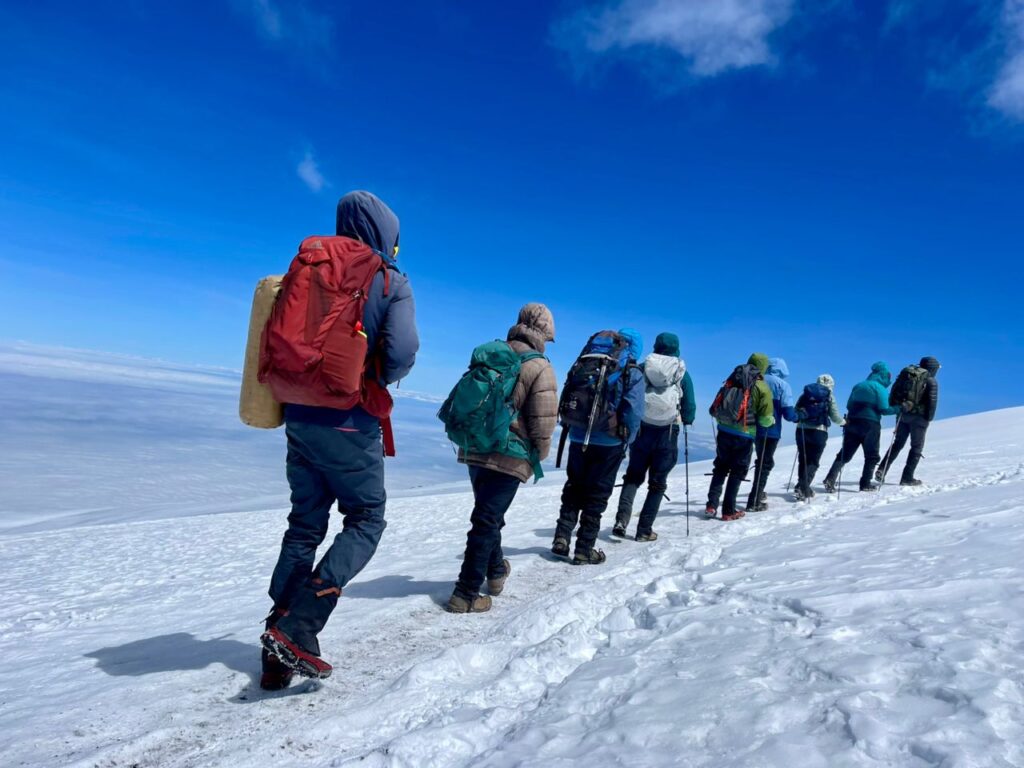
Most Kilimanjaro summit attempts begin around midnight. Climbers ascend in darkness, using headlamps to illuminate the trail as they make their way towards Stella Point, Gilman’s Point or directly towards Uhuru Peak, depending on the route and conditions.
During a full moon, the additional natural light can make parts of the summit route brighter and create beautiful views of the mountain.
Some climbers specifically plan their summit attempt around a full moon because they enjoy the atmosphere and photography opportunities.
However, there are a few things to consider:
If climbing under a full moon is important to you, discuss your preferred summit date with your operator before booking. The itinerary length determines when you are expected to reach the summit, so the full-moon date should be considered when selecting your departure.
One important thing to understand is that Kilimanjaro does not have the same weather conditions from its base to its summit.
The mountain rises through five major ecological zones, and temperatures decrease significantly as you gain altitude.
| Zone | Approximate altitude | General conditions |
|---|---|---|
| Cultivation zone | 800–1,800 m | Warm conditions and cultivated landscapes |
| Rainforest | 1,800–2,800 m | Humid, relatively warm and often wet |
| Heath and moorland | 2,800–4,000 m | Cooler conditions, open landscapes and cold nights |
| Alpine desert | 4,000–5,000 m | Dry, thin air, strong sun and freezing nights |
| Arctic summit zone | 5,000–5,895 m | Very cold conditions, ice, snow and strong exposure |
At lower elevations, daytime temperatures can be warm. Higher up, temperatures can fall below freezing, particularly at night.
At the summit, temperatures can reach approximately -10°C to -20°C or lower during particularly cold conditions. Wind can make it feel even colder.
This means that even when you climb during a dry month, you must be prepared for rain, strong sunlight, cold nights and changing weather.
Before confirming your climbing dates, consider the following factors.
If this is your first time climbing Kilimanjaro, consider January, February or the June-to-September period.
These months generally offer more favourable conditions than the rainy seasons.
July and August are popular months, which means more people may be using the same routes and campsites.
If you prefer a potentially quieter experience, consider February, June or September.
However, crowd levels vary by route and departure date.
Do not select your climbing dates based on weather alone. The number of days on the mountain is also important.
Longer itineraries generally provide more time for your body to adjust to the altitude. An eight-day Lemosho or Northern Circuit itinerary can be worth considering if your schedule and budget allow.
Regardless of when you climb, bring suitable waterproof clothing, thermal layers, gloves, a warm hat and appropriate trekking footwear.
Even during the dry season, weather can change unexpectedly.
If you plan to climb during July, August, September, January or February, arranging your trek several months ahead is sensible.
This gives you more flexibility when selecting your preferred route, departure date and accommodation before and after the climb.
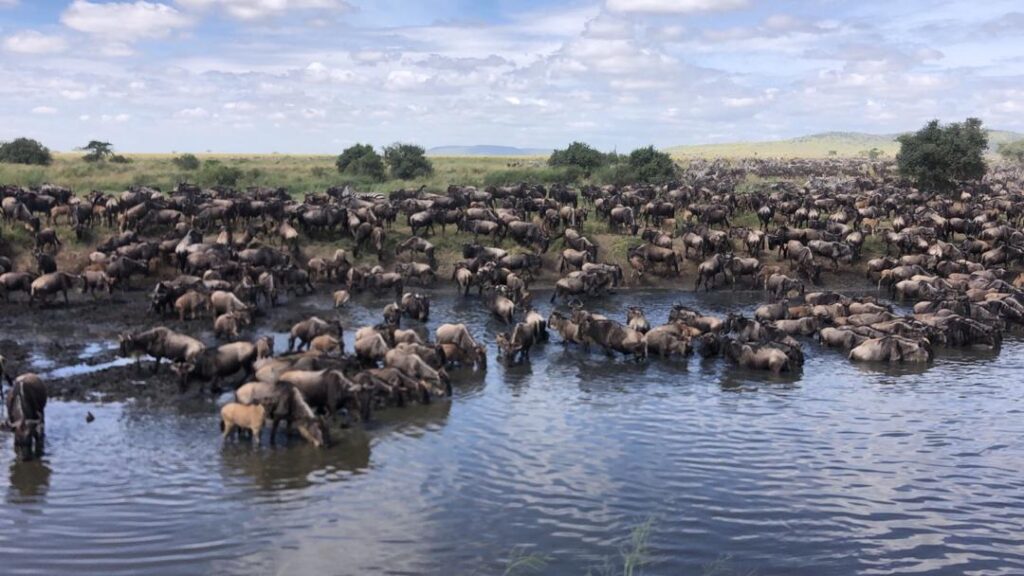
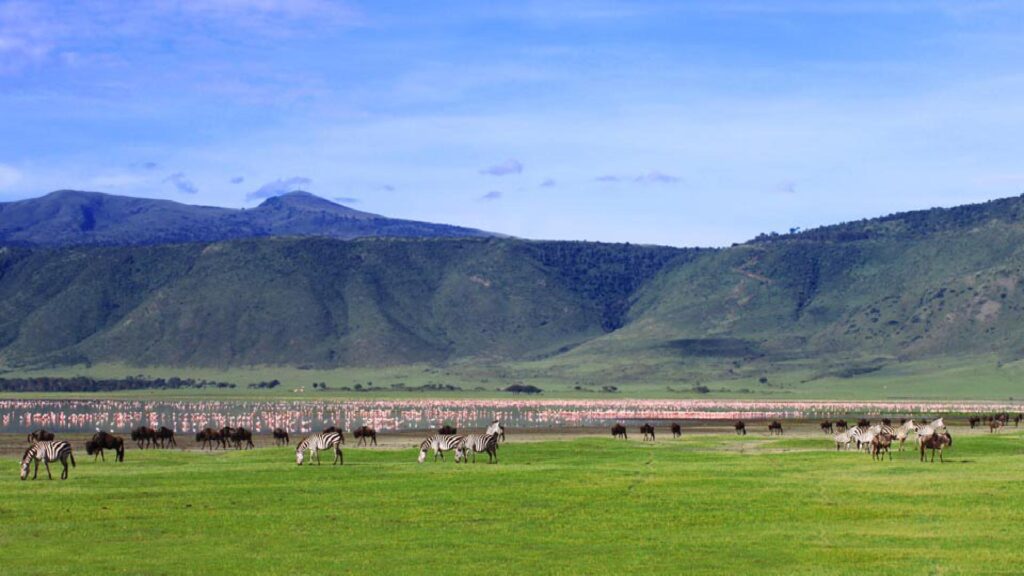
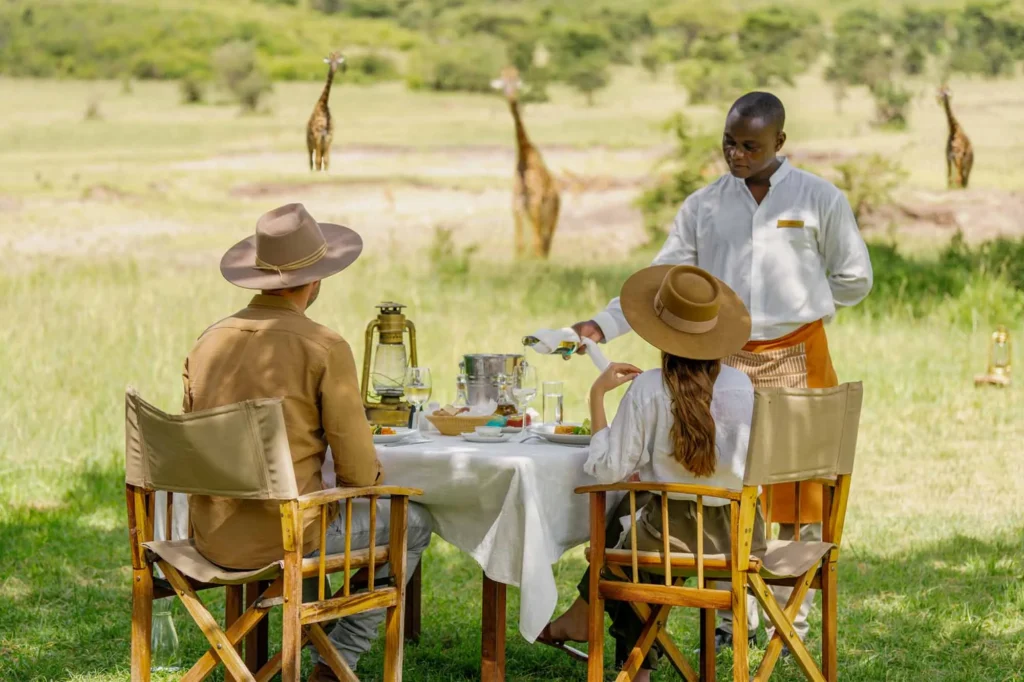
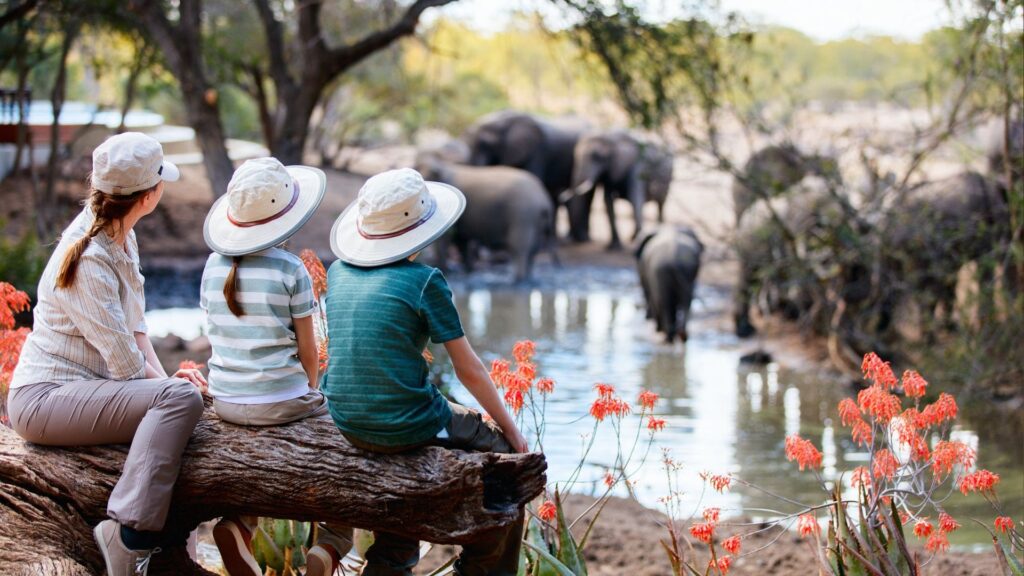
Many travellers combine a Kilimanjaro climb with a Tanzania wildlife safari.
If you plan to visit Serengeti, Ngorongoro Crater or Tarangire after your climb, consider the best travel period for both activities.
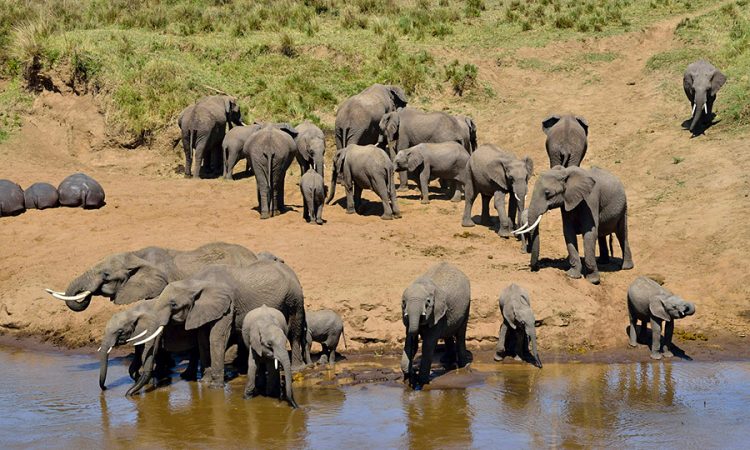
For example, January to February can be an excellent time to combine Kilimanjaro with the wildebeest calving season in the southern Serengeti. June to October is also a popular period for combining mountain trekking with dry-season wildlife viewing.
January, February, July, August and September are among the best months. They generally offer favourable weather, relatively dry trails and good visibility. September is particularly attractive for climbers looking for a balance between weather and visitor numbers.
Yes. Kilimanjaro can be climbed throughout the year with a licensed operator. However, weather conditions vary considerably, and April and May are generally less suitable because of the long rains.
April and May are generally the least favourable months for most climbers because of frequent rainfall, muddy trails and reduced visibility. The experience can be more challenging, particularly on the southern routes.
Yes. January is one of the best months for climbing. It generally offers relatively dry conditions, good visibility and comfortable daytime temperatures, although some routes can be busy.
Both months are excellent. February can offer a slightly quieter experience on some departures, while January is also a popular climbing period. The best choice depends on your preferred dates and route.
Both months offer excellent climbing conditions. July and August are generally dry with good visibility, but they are also among the busiest periods. August can be particularly cold at higher elevations.
Yes. September is one of the best months. The dry season generally continues, visibility is often good and visitor numbers may begin to decrease compared with July and August.
Yes, climbing is possible, but these months are generally not recommended for most travellers because of the long rainy season. Expect wet trails, more cloud cover and potentially difficult trekking conditions.
November is less predictable because of the short rainy season. The mountain is often quieter, but rainfall can affect trail conditions and visibility. Travellers with flexible schedules may still consider it.
December can be a good option, particularly later in the month when conditions may improve. However, occasional rainfall is possible, and the Christmas and New Year periods can be busy.
July and August are generally among the coldest months in the main climbing season, particularly at higher elevations. However, summit temperatures can fall below freezing in any month.
Yes. Snow and ice can occur around the upper mountain and summit throughout the year. Conditions depend on weather patterns and altitude.
Most climbers should consider an itinerary of at least seven days, with eight or more days often preferable for a gradual ascent and better acclimatisation opportunities. Shorter itineraries may be more demanding because the body has less time to adjust to altitude.
No. Favourable weather does not guarantee a successful summit. Altitude sickness, fitness, acclimatisation, health and other mountain conditions all influence the outcome. Choosing a gradual itinerary and following your guides’ safety instructions are essential.
Choosing the right month is an important part of planning a successful Kilimanjaro adventure. Whether you prefer the relatively warm conditions of January and February or the clear skies of the main dry season, selecting suitable dates and a well-planned route can make your experience more rewarding.
At Afrima Luxury Safaris, we help travellers plan Kilimanjaro climbs based on their preferred travel dates, experience, fitness level and available time. From choosing the right route to arranging accommodation, guides and mountain support, we can help you prepare for your journey to Uhuru Peak.
You can also combine your climb with a Tanzania wildlife safari to experience destinations such as Serengeti National Park, Ngorongoro Crater and Tarangire National Park.
Contact Afrima Luxury Safaris to plan your Mount Kilimanjaro climb and take the next step towards reaching the Roof of Africa.
There are no results matching your search
WhatsApp us