Planning a Tanzania safari is an exciting experience, but one of the first questions you need to answer is how many days to spend exploring the country’s national parks and wildlife areas.
Tanzania has some of Africa’s most famous safari destinations, including Serengeti National Park, Ngorongoro Crater, Tarangire National Park and Lake Manyara National Park. Each offers a different wildlife experience, and the distances between them mean that planning your safari duration is just as important as choosing where to go.
Some travellers have only two or three days available, while others can spend a week or more exploring the country. The good news is that Tanzania offers safari experiences for different schedules and budgets.
So, how many days do you need for a Tanzania safari?
For most first-time visitors, 6 to 7 days is an excellent starting point. This gives you enough time to visit Tarangire, explore Ngorongoro Crater and spend several days in the Serengeti without rushing through every destination. If you have more time, an 8 to 10-day safari allows a more relaxed experience and greater flexibility.
This guide explains what you can realistically experience in 1, 3, 5, 7, 10 or more days, with sample itineraries to help you plan.
| Safari duration | Destinations you can visit | Best for |
|---|---|---|
| 1 day | Tarangire, Lake Manyara or Arusha National Park | Travellers with very limited time |
| 2 days | Tarangire and Ngorongoro Crater, or one park in greater depth | Short safari extensions |
| 3 days | Tarangire and Ngorongoro, or a short Serengeti trip by air | Travellers with limited time |
| 4–5 days | Serengeti and Ngorongoro, with Tarangire depending on the itinerary | A short but rewarding safari |
| 6–7 days | Tarangire, Ngorongoro and Serengeti | First-time safari travellers |
| 8–10 days | Northern Circuit with more time in Serengeti and additional destinations | A relaxed, comprehensive safari |
| 11–14 days | Northern Circuit, southern parks or a safari combined with Zanzibar | Extended holidays and wildlife enthusiasts |
Our recommendation: Choose 6 to 7 days for your first Tanzania safari if you want to experience the main Northern Circuit destinations. If you are particularly interested in the Great Wildebeest Migration, consider 7 to 10 days or longer, depending on where the herds are expected to be.
These durations are planning guidelines. The best itinerary depends on your arrival and departure arrangements, travel season, transport method and the destinations you want to visit.
Tanzania is a large country, and its safari destinations are spread across different regions. Although several famous parks are located in the northern part of the country, travelling between them still takes time.
For example, Tarangire is relatively close to Arusha, while reaching the central Serengeti by road involves a much longer journey. The northern Serengeti requires additional travel time from the central region.
If you plan too many destinations within a short period, you may spend more time travelling than enjoying wildlife.
The number of days also determines how much time you can spend observing animals. A longer safari allows you to explore different areas, take slower game drives and adjust your plans according to wildlife sightings.
A well-planned safari should balance three things:
It is usually better to explore fewer parks properly than to visit many destinations without enough time to appreciate them.
Before choosing your safari duration, it helps to understand how much time each destination deserves.
The Serengeti is one of Tanzania’s most famous safari destinations and a highlight of many African wildlife holidays.
It is known for its vast grasslands, large predator populations and the Great Wildebeest Migration. The park is enormous, covering approximately 14,750 square kilometres, so exploring it properly takes time.
Two nights in the Serengeti provide a useful introduction, usually allowing one full day of game viewing. Three nights give you more time to explore different areas and enjoy a less rushed experience.
If your main goal is to follow the Great Migration, you may need additional days depending on the location of the herds and the region you plan to visit.
Recommended duration: 2–4 days.
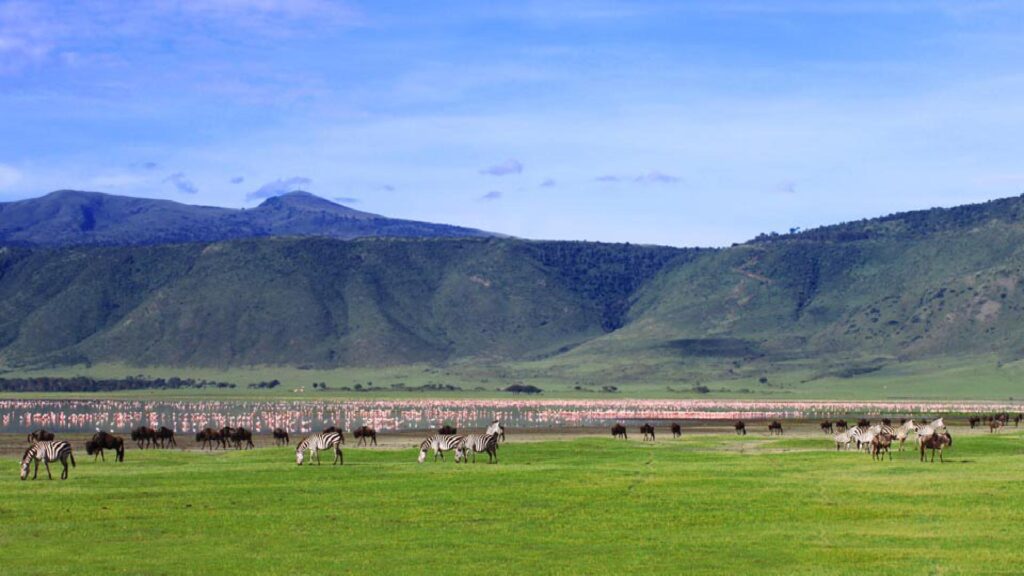
Ngorongoro Crater is one of Tanzania’s most remarkable wildlife destinations. Its natural landscape and concentration of animals make it a major highlight of the Northern Safari Circuit.
A typical crater safari involves descending from the crater rim to the floor for a game drive before returning to the surrounding highlands.
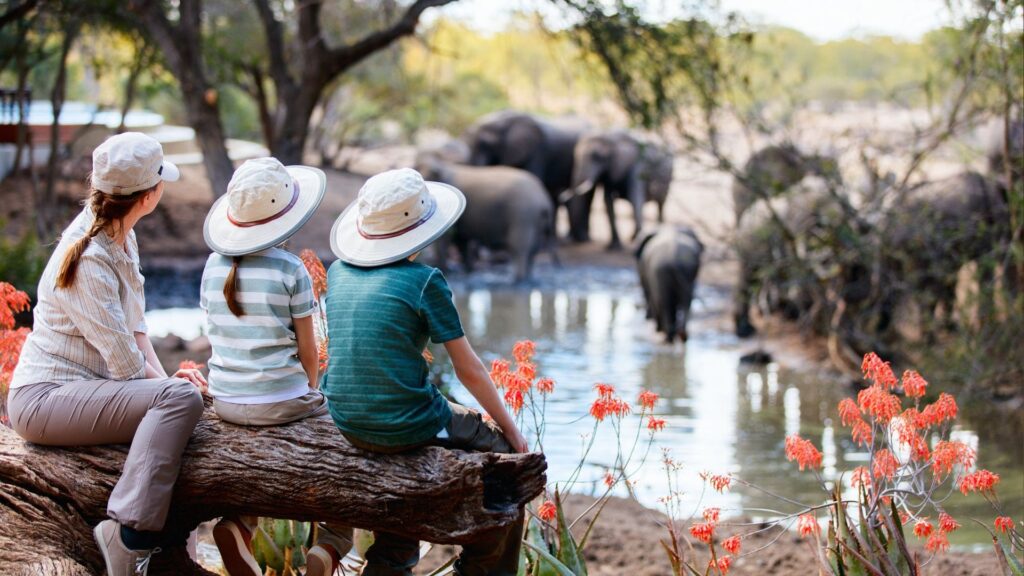
You can see lions, elephants, buffaloes, zebras, wildebeest, hippos and several other species. The crater is also one of the places where visitors have a reasonable opportunity to look for the endangered black rhino, although sightings are never guaranteed.
Most itineraries allocate approximately half a day to the crater floor. You may need additional time for travel, accommodation and exploring the surrounding Ngorongoro Conservation Area.
Recommended duration: Half a day to 1 day for the crater experience, with an overnight stay nearby depending on your itinerary.
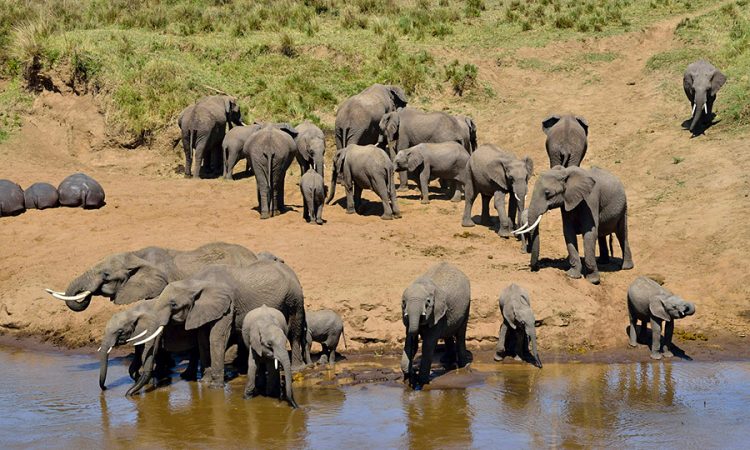
Tarangire is famous for its large elephant herds, ancient baobab trees and beautiful river landscapes.
The park is relatively accessible from Arusha, making it suitable for both short safaris and longer Northern Circuit itineraries.
One full day provides a rewarding introduction to Tarangire. You can enjoy several game drives and explore different areas of the park.
Two days are worth considering if you enjoy elephant photography, birdwatching and a slower safari pace.
Recommended duration: 1–2 days.
Lake Manyara National Park offers a different environment from the open plains of Serengeti and the baobab woodlands of Tarangire.
The park features groundwater forests, open grasslands, a large alkaline lake and varied wildlife habitats. It is also known for its birdlife and tree-climbing lions, although sightings of the latter are not guaranteed.
A half-day or full-day visit is usually enough for a general introduction.
Lake Manyara is often included in itineraries travelling between Tarangire and the Ngorongoro area. Whether it deserves a separate day depends on your interests and the time available.
Recommended duration: Half a day to 1 day.
Arusha National Park is a convenient destination for travellers staying in Arusha or beginning and ending their safari in the city.
It offers forest landscapes, open grasslands, crater lakes and views of Mount Meru. Wildlife includes giraffes, buffaloes, zebras, warthogs and several primate species.
Unlike many other national parks in Tanzania, it also offers opportunities for guided walking safaris and canoeing in permitted areas.
It is a good option for a short safari experience, particularly if you do not have enough time to travel to the more distant parks.
Recommended duration: Half a day to 1 day.
A one-day safari is suitable for travellers with very limited time, such as those visiting Tanzania for business or spending a short period in Arusha.
You will not have enough time to explore several major parks, so it is best to choose one destination.
Popular options include:
A typical day trip involves an early departure, a game drive, lunch and a return to Arusha later in the afternoon or evening.
A one-day safari can be rewarding, but it is not the best option if your main goal is to explore Serengeti or experience the Great Migration.
Yes. Three days can provide a worthwhile safari experience, especially if you focus on destinations within the Northern Circuit that are relatively close to Arusha.
For a short safari, Tarangire and Ngorongoro are practical choices. You can enjoy elephant viewing in Tarangire and explore the wildlife-rich Ngorongoro Crater.
It is also possible to include the Serengeti in a short trip using domestic flights, although this increases the cost and requires careful planning.
| Day | Destination | Experience |
|---|---|---|
| Day 1 | Arusha – Tarangire | Travel to Tarangire and enjoy an afternoon game drive |
| Day 2 | Tarangire – Ngorongoro | Enjoy a morning game drive before travelling towards the Ngorongoro area |
| Day 3 | Ngorongoro Crater – Arusha | Descend into the crater for a game drive before returning to Arusha |
This itinerary offers a good introduction to two different safari environments.
If you want to visit the Serengeti, consider flying into the park and flying out again rather than spending most of your short trip travelling by road.
Our recommendation: Three days is a good option for a short safari, but it is better suited to Tarangire and Ngorongoro than to a road-based Serengeti experience.
Five days is a good option for travellers who want to experience the Serengeti and Ngorongoro Crater without committing to a full week.
Depending on the route, you can also include Tarangire.
The main consideration is how many nights you spend in the Serengeti. Because the park is large and takes time to reach by road, you should avoid allocating too little time to it.
| Day | Destination | Experience |
|---|---|---|
| Day 1 | Arusha – Tarangire | Enjoy an afternoon game drive in Tarangire |
| Day 2 | Tarangire – Serengeti | Travel through the Ngorongoro Conservation Area towards Serengeti, with wildlife viewing along the way |
| Day 3 | Serengeti | Enjoy a full-day game drive exploring the park |
| Day 4 | Serengeti – Ngorongoro | Enjoy a morning game drive before travelling towards the Ngorongoro highlands |
| Day 5 | Ngorongoro Crater – Arusha | Explore the crater floor before returning to Arusha |
This is a busy itinerary, and the amount of time available for game viewing will depend on your route and accommodation locations.
If you prefer a more relaxed experience, consider extending the trip to six or seven days.
Our recommendation: Five days is a practical minimum for a road-based safari that includes the Serengeti, Tarangire and Ngorongoro, but it will involve some long travel days.
Yes. Seven days is one of the best durations for a first-time Tanzania safari.
It provides enough time to visit the major Northern Circuit destinations while allowing more time for wildlife viewing in the Serengeti.
You can include Tarangire, Ngorongoro Crater and Serengeti without having to rush through every destination. Depending on your preferences, you can also include Lake Manyara.
| Day | Destination | Experience |
|---|---|---|
| Day 1 | Arusha – Tarangire | Travel to Tarangire and enjoy an afternoon game drive |
| Day 2 | Tarangire – Ngorongoro | Enjoy a morning game drive before travelling to the Ngorongoro area |
| Day 3 | Ngorongoro – Serengeti | Travel towards Serengeti with wildlife viewing along the way |
| Day 4 | Serengeti | Full-day game drive exploring the park |
| Day 5 | Serengeti | Another full day of wildlife viewing in a different area |
| Day 6 | Serengeti – Ngorongoro | Enjoy a morning game drive and travel towards Ngorongoro |
| Day 7 | Ngorongoro Crater – Arusha | Descend into the crater for a game drive before returning to Arusha |
This itinerary provides a balanced introduction to three of Tanzania’s most famous safari destinations.
The exact route can be adjusted to reduce backtracking, depending on your accommodation and departure arrangements. For example, you may descend into Ngorongoro Crater before continuing to the Serengeti, then return by road or fly out from a Serengeti airstrip.
Our recommendation: If you are visiting Tanzania for the first time and want to experience its famous wildlife destinations, seven days is an excellent choice.
Ten days gives you more flexibility and allows you to explore the Northern Circuit at a slower pace.
Instead of moving between parks every day, you can spend additional nights in the Serengeti, explore different wildlife areas and include destinations that shorter itineraries may leave out.
Depending on your interests, you could include Lake Manyara, Lake Eyasi or Lake Natron.
You may also choose to spend more time in the northern Serengeti during the migration season or in the southern Serengeti during the calving season.
| Day | Destination | Experience |
|---|---|---|
| Day 1 | Arusha – Tarangire | Afternoon game drive in Tarangire |
| Day 2 | Tarangire | Full-day wildlife viewing and exploration |
| Day 3 | Tarangire – Lake Manyara / Karatu | Travel towards the Ngorongoro highlands, with a Lake Manyara visit if planned |
| Day 4 | Ngorongoro Crater | Explore the crater floor and surrounding highlands |
| Day 5 | Ngorongoro – Central Serengeti | Travel to the Serengeti with wildlife viewing along the way |
| Day 6 | Central Serengeti | Full-day game drive |
| Day 7 | Serengeti | Explore another wildlife area and enjoy a relaxed game-drive schedule |
| Day 8 | Serengeti | Additional wildlife viewing, with the location selected according to the season |
| Day 9 | Serengeti – Ngorongoro area | Enjoy a final game drive before travelling towards the highlands or arranging a flight |
| Day 10 | Ngorongoro area – Arusha | Return to Arusha or continue to your next destination |
This itinerary is a flexible example rather than a fixed route. The number of nights in each area should be adjusted according to the migration, your interests and your preferred accommodation.
Our recommendation: Ten days is ideal for travellers who want a more relaxed safari, greater wildlife-viewing opportunities and time to explore beyond the main highlights.
If you have two weeks available, you can enjoy a more extensive safari and explore different parts of Tanzania.
You do not have to spend all 14 days visiting the same group of parks. You can combine the Northern Circuit with southern Tanzania, add a cultural experience or include a beach holiday in Zanzibar.
Some options include:
Spend more time exploring Serengeti, including different regions depending on the season.
You can also include Tarangire, Ngorongoro, Lake Manyara and other destinations such as Lake Eyasi or Lake Natron.
This option is particularly suitable for wildlife enthusiasts and photographers.
Combine the Northern Circuit with destinations such as Nyerere National Park or Ruaha National Park.
These southern parks offer different landscapes and wildlife experiences, and are generally less visited than the most popular northern destinations.
Because of the distances involved, flying between safari regions is often the practical option.
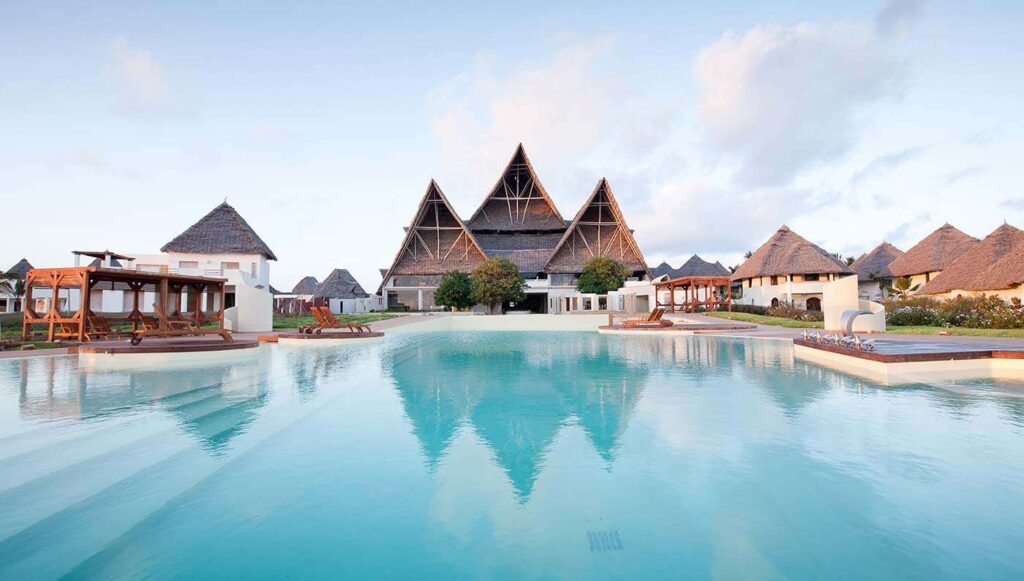
Combine a wildlife safari with a relaxing beach holiday in Zanzibar.
You could spend seven to eight days exploring Tanzania’s national parks, followed by four to six days enjoying Zanzibar’s beaches, cultural attractions and marine activities.
This is a good choice for couples, honeymooners and travellers who want both wildlife and relaxation.
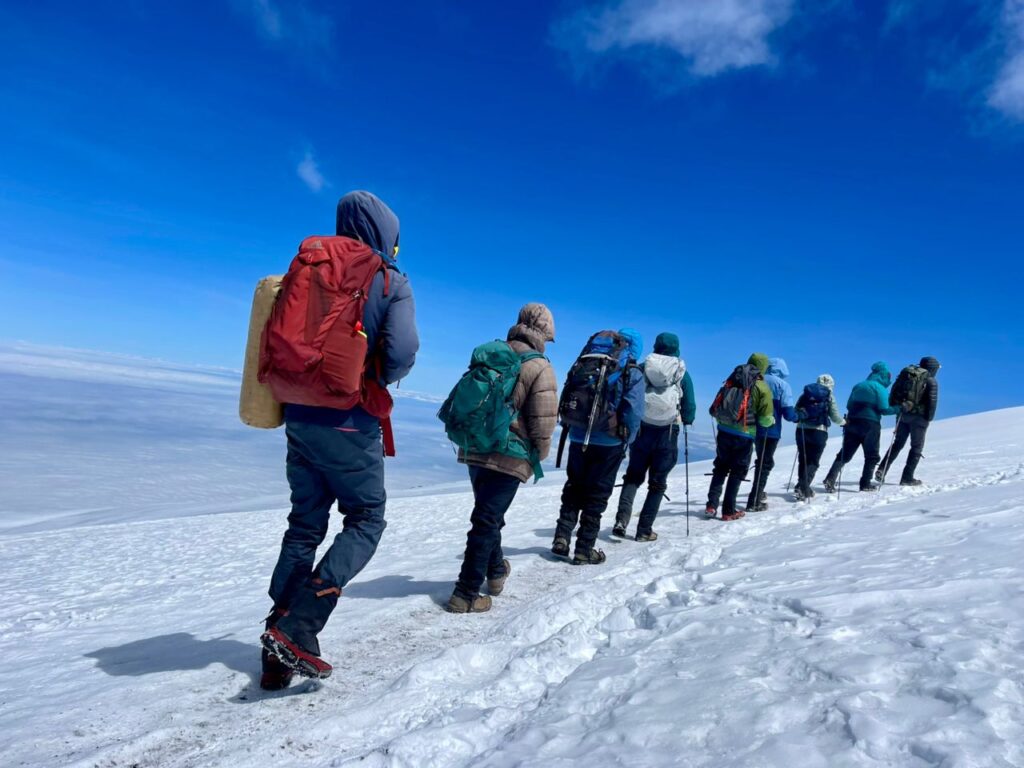
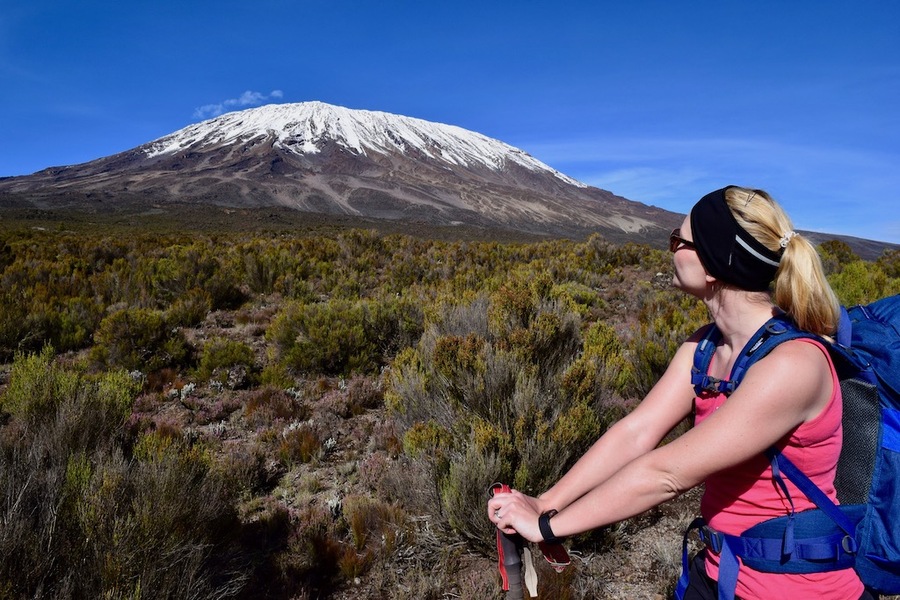
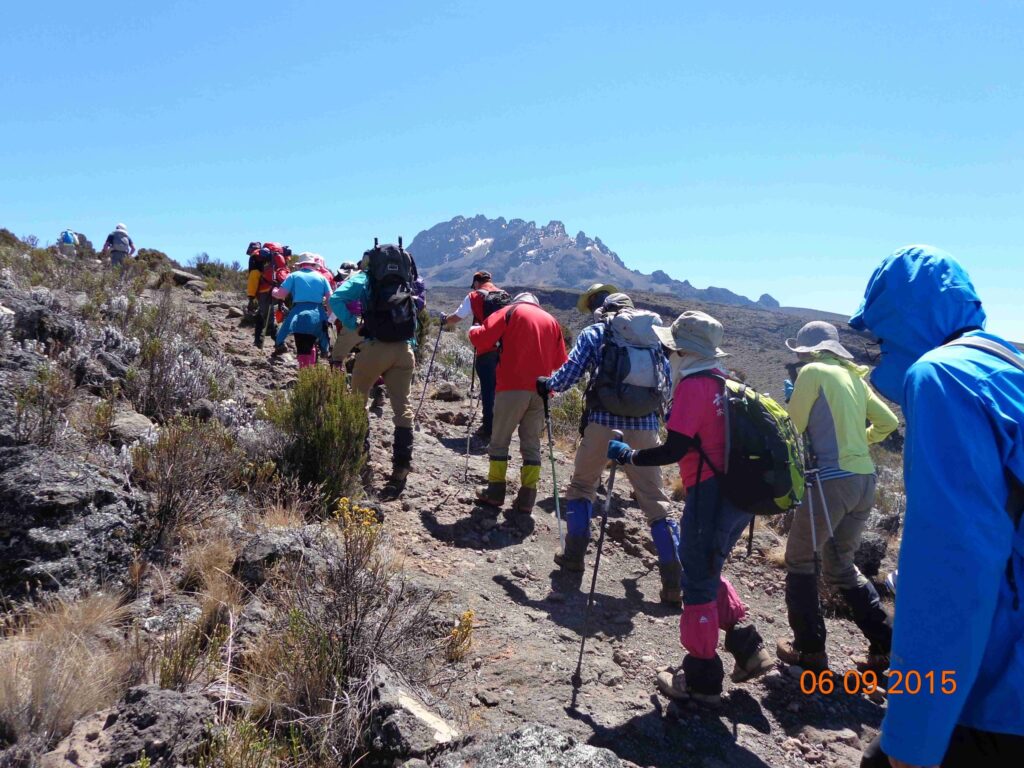
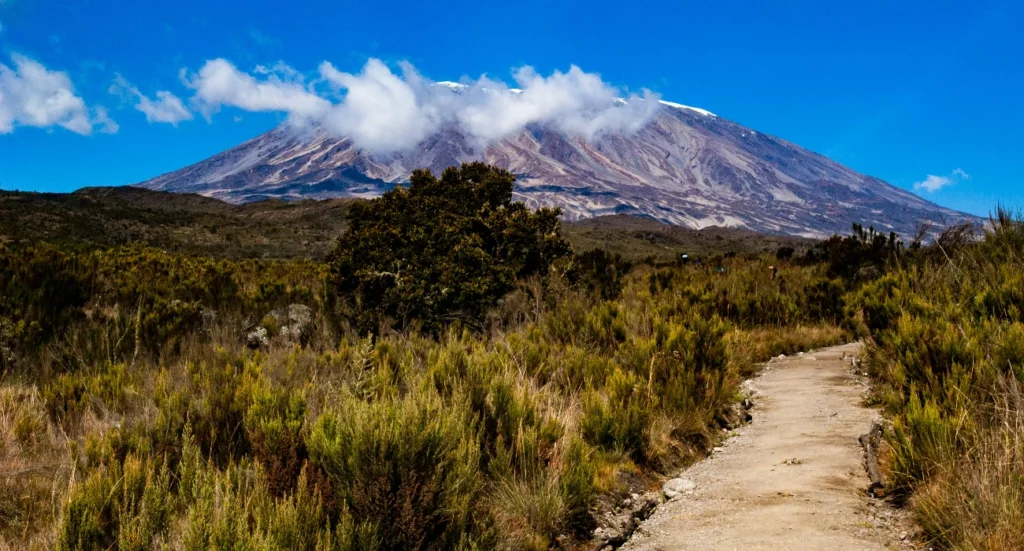
If you want to combine wildlife viewing with mountain trekking, you can add a Kilimanjaro climb to your holiday.
A Kilimanjaro climb generally requires around 6–9 days on the mountain, depending on the route and itinerary, with additional time for arrival, preparation and recovery.
A combined climb and safari holiday should therefore be planned with enough time rather than squeezed into a short trip.
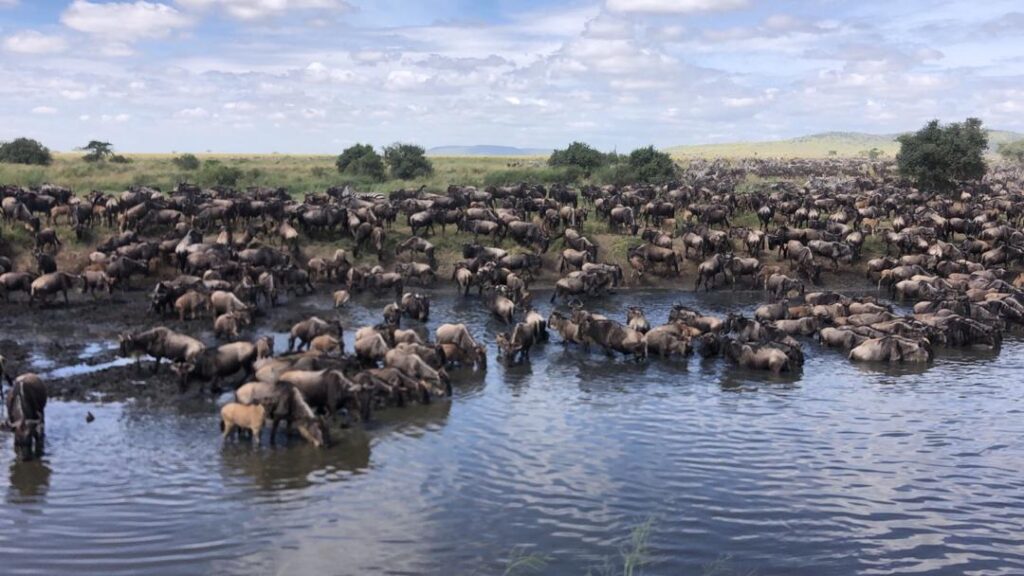
If the Great Wildebeest Migration is your main reason for visiting Tanzania, you should consider spending at least three or four nights in the relevant Serengeti region.
The migration moves through the wider Serengeti ecosystem throughout the year, following rainfall and fresh grazing.
The location of the herds changes with the seasons:
| Period | General migration location | Recommended focus |
|---|---|---|
| January–March | Southern Serengeti and Ndutu plains | Calving season and predator activity |
| April–May | Southern and western areas, moving northwards | Large herds and green-season landscapes |
| June–July | Western corridor and areas moving towards the north | Possible Grumeti River crossings |
| July–October | Northern Serengeti | Possible Mara River crossings |
| November–December | Moving south through eastern and central areas | Green-season wildlife viewing |
These are general patterns rather than fixed dates. Rainfall can influence the movement, and river crossings are unpredictable.
If you are visiting during the migration season, the number of days is only part of the planning. Choosing accommodation in the correct region is equally important.
For example, staying in central Serengeti when the main herds are far north may involve considerable driving if your main goal is to see the migration.
Our recommendation: Allow at least 7–10 days for a migration-focused safari if you also want to visit other major destinations. The ideal duration depends on the location of the herds and how much time you want to spend in the Serengeti.
Your transport choice can influence how many days you need for a Tanzania safari.
Road safaris are popular because they allow you to experience Tanzania’s landscapes and enjoy wildlife viewing along the route.
They are particularly practical for the Northern Circuit, where destinations such as Tarangire, Ngorongoro and Serengeti can be combined in one journey.
However, some journeys are long, and travelling between parks may take a considerable part of the day.
Road conditions, weather, wildlife sightings and stops can also affect travel times.
Domestic flights can save considerable travel time, especially when travelling to remote areas of the Serengeti or between northern and southern Tanzania.
Fly-in safaris are particularly suitable for travellers with limited time or those who prefer a more comfortable and exclusive experience.
However, they generally cost more than road safaris. Baggage allowances and departure schedules also need to be considered.
| Factor | Road safari | Fly-in safari |
|---|---|---|
| Cost | Usually more economical | Generally more expensive |
| Travel time | Longer between distant parks | Faster between selected destinations |
| Scenery | Excellent opportunities to see landscapes | Aerial views |
| Flexibility | Good for customised road itineraries | Depends on flight schedules and airstrips |
| Best for | Longer trips and Northern Circuit safaris | Short trips and remote destinations |
For most Northern Circuit itineraries, a road safari is a practical choice. You can also combine road travel with domestic flights to save time on longer journeys.
The right number of days is not the same for every traveller. Consider these factors before booking.
A longer safari generally costs more because of additional accommodation, meals, park fees, transport and guide services.
However, the cost per day may vary depending on the accommodation category, group size and travel arrangements.
If your budget is limited, it is often better to choose a shorter itinerary with fewer destinations rather than trying to visit every park.
Think about what you most want to experience.
If you are interested in big cats and the Great Migration, allocate more time to Serengeti. If elephants and baobab scenery are your priority, Tarangire deserves more attention.
Travellers interested in birdwatching, photography and different landscapes may benefit from a longer itinerary.
The season influences which parks and regions deserve more time.
For example, if you visit during the calving season, you may want to spend more time in the southern Serengeti and Ndutu area.
During the dry season, Tarangire and other parks can provide excellent wildlife viewing.
Do not forget to account for international flight schedules.
If you arrive in Tanzania late in the evening, you may need an overnight stay in Arusha before starting your safari. Similarly, if your international flight leaves early in the morning, you may need to return to Arusha or near the airport the previous day.
Your actual holiday length and the number of safari days are not always the same.
Some travellers enjoy full days of game drives and moving between destinations. Others prefer a slower schedule with more time at their lodges.
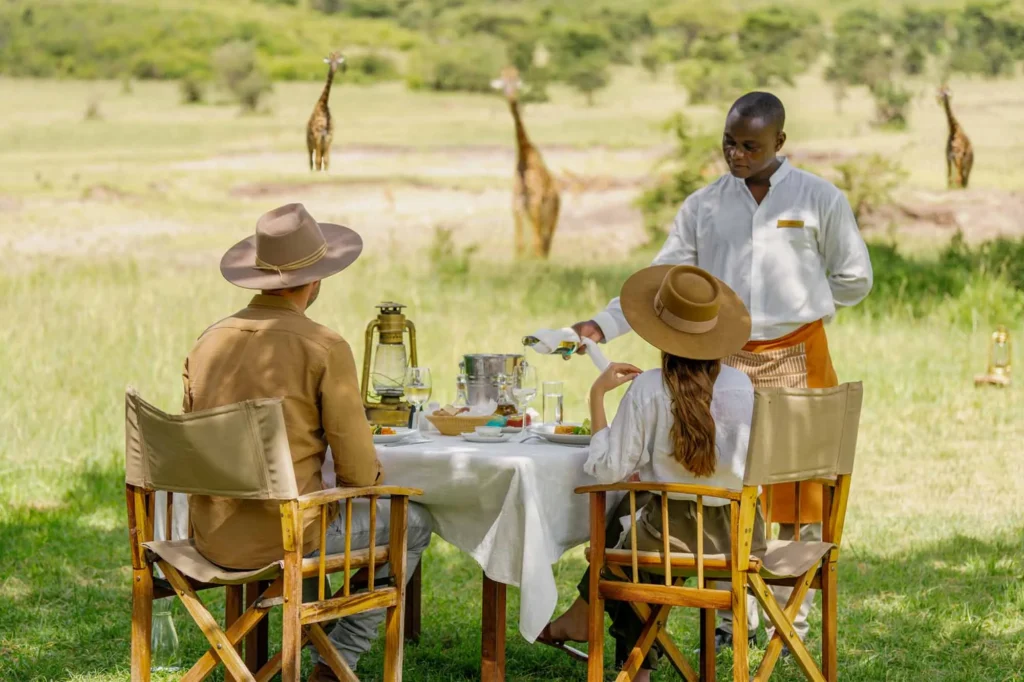
If you want to enjoy luxury accommodation, private dining, photography and relaxed game drives, allow more days.
A safari should be enjoyable, not a race to visit as many national parks as possible.
Before choosing your itinerary, avoid these common planning mistakes.
The ideal safari duration depends on your interests, budget and available holiday time. However, the following recommendations provide a useful starting point:
Our recommendation: For most first-time visitors, a 7-day Tanzania safari offers an excellent balance between wildlife viewing, travel time and overall experience. If you have the opportunity, extend your trip to 8–10 days to explore more of the Serengeti and enjoy a more relaxed itinerary.
Six to seven days is an excellent duration for a first Tanzania safari. It allows you to explore the main Northern Circuit destinations, including Tarangire, Ngorongoro and Serengeti, without rushing through every park.
Yes. Three days can provide a rewarding experience, particularly if you visit Tarangire and Ngorongoro Crater. It is also possible to include the Serengeti by flying, although this will increase the cost.
Yes. Five days can accommodate Serengeti and Ngorongoro, and may also include Tarangire. However, it is a relatively short itinerary, so expect some long travel days.
Yes. Seven days is one of the best choices for a first-time visitor. You can explore Tarangire, Ngorongoro Crater and Serengeti, with enough time for several game drives.
No. Ten days provides more time to explore different areas, enjoy additional game drives and visit destinations that may not fit into shorter itineraries. It is particularly suitable for wildlife enthusiasts and photographers.
Two nights provide a useful introduction, while three or four nights allow more time to explore different areas. If you are following the Great Migration, the ideal duration depends on the location of the herds and your wildlife interests.
A crater game drive usually takes approximately half a day. However, you should allow additional time for travelling, staying in the surrounding highlands and exploring the wider conservation area if included in your itinerary.
Yes. A two-day visit is possible, especially if you fly into the park. Travelling by road from Arusha and returning within two days is much more demanding and leaves limited time for wildlife viewing.
Yes. Many travellers combine a wildlife safari with a beach holiday in Zanzibar. A 7–10-day safari followed by several days in Zanzibar is a popular way to experience both Tanzania’s wildlife and coastline.
Yes. You can combine a Kilimanjaro climb with a Tanzania safari. However, a climb generally requires several days on the mountain, and additional time should be allowed for preparation and recovery. A combined holiday of around 12–16 days or longer can be a good starting point.
For most travellers, spending more time in fewer parks is the better option. This reduces unnecessary travel and gives you more opportunities to enjoy wildlife encounters. Choose destinations based on your interests rather than trying to visit every national park.
For peak travel periods and popular accommodation, booking several months in advance is advisable. Luxury camps, migration-focused accommodation and specific travel dates may require even earlier planning.
The right safari duration can make a significant difference to your Tanzania holiday. Whether you have three days for a short wildlife experience or two weeks for an extended adventure, a carefully planned itinerary helps you make the most of your time.
At Afrima Luxury Safaris, we design Tanzania safari experiences around your travel dates, preferred destinations, accommodation style, wildlife interests and budget.
From the elephant-rich landscapes of Tarangire to the endless plains of Serengeti and the wildlife-rich Ngorongoro Crater, we can help you choose the right destinations and allocate enough time to enjoy each experience.
Contact Afrima Luxury Safaris to plan your Tanzania safari and discover an itinerary that makes the most of your time in Africa.
There are no results matching your search
WhatsApp us