Tanzania is home to some of Africa’s most remarkable safari destinations, and two that deserve a place on any northern Tanzania safari itinerary are Ngorongoro Crater and Tarangire National Park. Both offer excellent wildlife viewing, beautiful landscapes and memorable encounters with African animals. However, the experience in each destination is quite different.
Ngorongoro Crater is famous for its extraordinary concentration of wildlife within a spectacular volcanic caldera. It is one of the best places in Tanzania to look for the Big Five, including the endangered black rhino. Tarangire National Park, on the other hand, is known for its large elephant herds, ancient baobab trees, seasonal swamps and quieter wilderness atmosphere.
So, which one should you visit? Is Ngorongoro Crater better for wildlife viewing, or does Tarangire offer a more rewarding safari experience?
The answer depends on what you want to see and experience. This guide compares Ngorongoro Crater and Tarangire across wildlife, scenery, safari activities, accommodation, seasons and accessibility to help you choose the right destination.
Although both destinations are part of Tanzania’s northern safari circuit, they have different geographical features and conservation arrangements.
Ngorongoro Crater is located within the Ngorongoro Conservation Area, a UNESCO World Heritage Site. It is the world’s largest intact, unfilled volcanic caldera, with a crater floor covering approximately 260 square kilometres. The surrounding conservation area includes highland forests, grasslands, archaeological sites and areas where Maasai communities live alongside wildlife.
Tarangire National Park is located south of Lake Manyara and southeast of the Serengeti ecosystem. Covering approximately 2,850 square kilometres, it is characterised by open savannah, woodland, seasonal swamps and the Tarangire River, which attracts large numbers of animals during the dry season.
Here is a quick comparison:
| Feature | Ngorongoro Crater | Tarangire National Park |
|---|---|---|
| Location | Ngorongoro Conservation Area, northern Tanzania | Southern part of Tanzania’s northern safari circuit |
| Main attraction | High concentration of wildlife in a volcanic caldera | Elephants, baobab trees and seasonal wildlife gatherings |
| Landscape | Crater floor, grasslands, swamps and forest | Savannah, woodlands, river valleys and swamps |
| Famous for | Big Five wildlife viewing | Large elephant herds |
| Best time to visit | Year-round | June to October for concentrated wildlife viewing |
| Safari experience | Concentrated wildlife viewing in a dramatic setting | More extensive exploration of varied habitats |
| Birdlife | Excellent | Excellent, with rich seasonal birdlife |
| Recommended stay | One full day for the crater experience | One to two days, depending on your itinerary |
Both destinations are excellent, but they appeal to slightly different safari interests.
Wildlife is one of the most important factors when choosing between Ngorongoro Crater and Tarangire. Both destinations support a wide range of African wildlife, but the animals are distributed differently.
Ngorongoro Crater is famous for its high concentration of wildlife within a relatively small area. Its grasslands, swamps, freshwater pools and woodland habitats support a variety of animals throughout the year.
During a crater game drive, visitors may encounter:
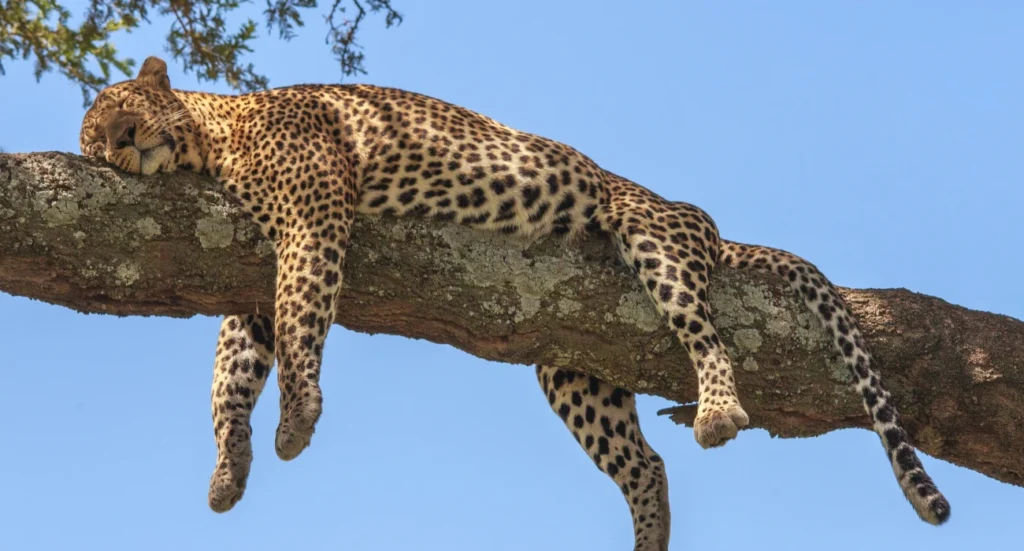
The crater is particularly well known for Big Five sightings. It offers one of Tanzania’s best opportunities to look for all five animals within a relatively short safari experience. Black rhinos are present, although sightings are not guaranteed, and leopards can also be difficult to spot.
The open grasslands make it easier to observe many animals, while the Lerai Forest, swamps and other habitats provide shelter for different species.
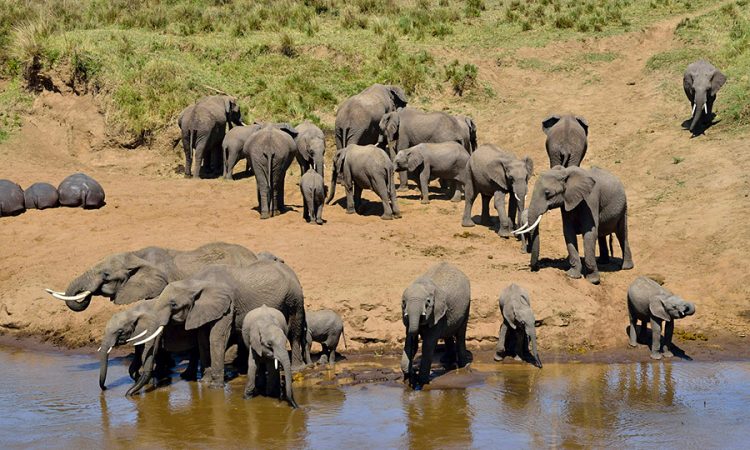
Tarangire is especially famous for its elephants. During the dry season, large herds gather around the Tarangire River and remaining water sources, creating excellent opportunities to observe these animals.
The park also supports:
Tarangire is also home to several less commonly seen species, including fringe-eared oryx and gerenuk. These animals add to the park’s appeal for visitors interested in a wider variety of wildlife.
Although Tarangire has an impressive wildlife population, animal distribution changes with the seasons. During the dry months, wildlife becomes more concentrated around the river and other permanent water sources. During the rainy season, animals spread across a wider area and some move beyond the park.
Which is better for wildlife?
Ngorongoro Crater is generally better for seeing a high concentration of wildlife in a short period, particularly if spotting the Big Five is a priority. Tarangire is an excellent choice for elephant encounters and exploring a wider range of wildlife habitats.
For many international travellers, seeing the Big Five is one of the main reasons for visiting Africa.
The Big Five are the African elephant, lion, leopard, African buffalo and black rhinoceros. Both Ngorongoro Crater and Tarangire have four of these animals, but Ngorongoro is particularly well known for its Big Five viewing opportunities.
| Big Five animal | Ngorongoro Crater | Tarangire |
|---|---|---|
| Elephant | Yes | Yes, famous for large herds |
| Lion | Yes | Yes |
| Leopard | Present, but elusive | Present, but elusive |
| Buffalo | Yes | Yes |
| Black rhino | Present, sightings not guaranteed | Not a regular park sighting |
Ngorongoro Crater is the stronger choice if seeing all five animals is high on your safari wish list. The crater’s relatively contained landscape and high wildlife density make it one of the best places in Tanzania to look for the Big Five.
Tarangire is particularly rewarding for elephant sightings, and its lions, leopards and buffaloes add to the experience. However, it is not the destination to choose specifically for a black rhino sighting.
Remember that wildlife is free to move, and no safari destination can guarantee sightings of every animal.
The landscapes of Ngorongoro and Tarangire are among the most distinctive in Tanzania. Each offers a different setting for wildlife photography and enjoying the African wilderness.
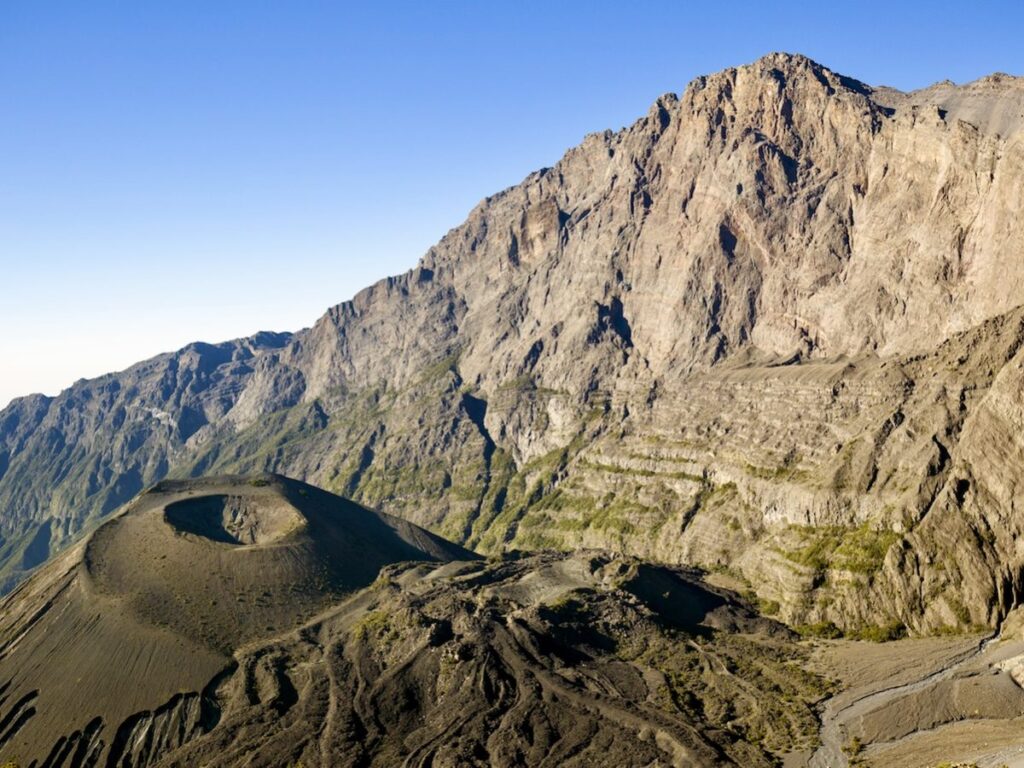
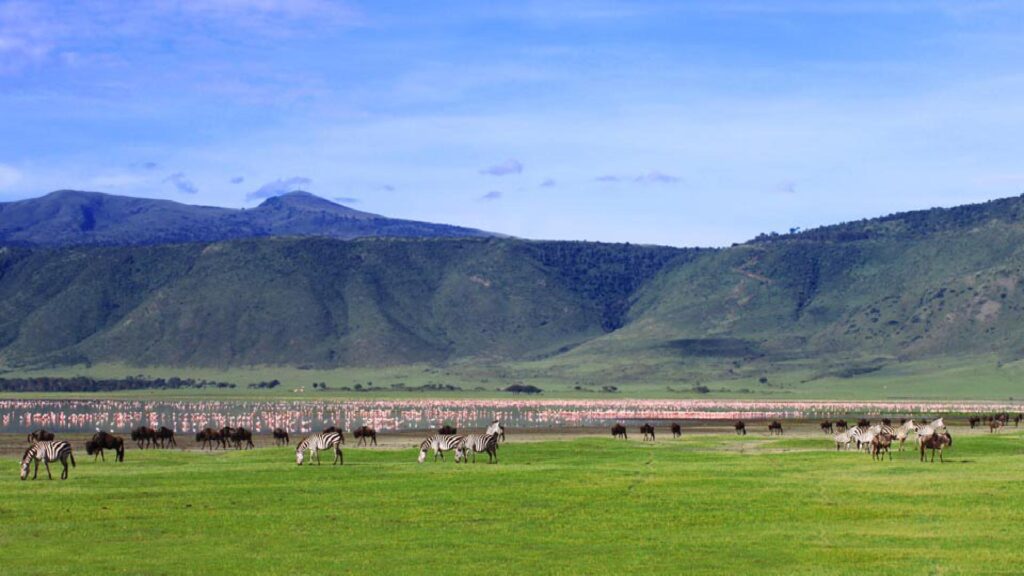
Ngorongoro Crater is one of Africa’s most impressive natural landscapes. From the crater rim, visitors can enjoy panoramic views of the vast green caldera below.
The crater floor features open grasslands, small forests, freshwater pools, swamps and Lake Magadi, a shallow alkaline lake that attracts flamingos and other birds when conditions are suitable.
The steep crater walls create a natural boundary around the landscape, giving the destination a unique appearance. Descending from the rim to the crater floor is an experience in itself.
Tarangire has a very different appearance. Its landscape is characterised by giant baobab trees, open savannah, acacia woodlands, seasonal swamps and river valleys.
The Tarangire River is the park’s most important water source, especially during the dry season. It attracts elephants, zebras, wildebeest, buffaloes and other animals looking for water.
The enormous baobab trees are among the park’s most recognisable features. Some are hundreds of years old, creating impressive photographic backgrounds and adding character to the landscape.
Which has better scenery?
Ngorongoro is the better choice for dramatic panoramic views and a unique volcanic landscape. Tarangire is ideal for travellers who enjoy classic African wilderness scenery, giant baobabs and beautiful wildlife photography.
Although both destinations offer game drives, the overall safari experience is different.
A typical Ngorongoro Crater safari involves an early morning departure from your lodge or camp, followed by a descent to the crater floor.
Most visitors spend several hours exploring different habitats in search of wildlife. The relatively compact area allows visitors to see many animals during a single game drive, depending on the day’s conditions.
The experience is particularly rewarding for first-time safari visitors who want to see a wide variety of animals without spending several days in one park.
However, Ngorongoro is a popular destination. During busy travel periods, visitors may encounter several safari vehicles around well-known wildlife sightings. The crater’s access arrangements and limited game-drive area also mean that the experience is more structured than exploring a large national park.
Tarangire offers a more spread-out safari experience. Its large size allows visitors to explore different habitats, including riverbanks, open plains, woodlands and swamps.
Game drives can take place throughout the day, with early mornings and late afternoons often offering excellent opportunities to observe wildlife.
Elephant encounters are a major highlight. Visitors may see family groups moving through the bush, feeding beneath baobab trees or gathering around the river.
Because wildlife is spread across a larger area, sightings can involve more searching and exploration. This is part of what makes Tarangire appealing to travellers who enjoy spending more time in the wilderness.
Which offers a better safari experience?
Choose Ngorongoro if you prefer concentrated wildlife viewing and a shorter but rewarding game-drive experience. Choose Tarangire if you enjoy exploring a larger wilderness area, spending time with elephants and experiencing different landscapes.
Both destinations are excellent for birdwatching, with a wide variety of resident and migratory species.
Ngorongoro’s different habitats support birds such as flamingos, ostriches, crowned cranes, kori bustards, secretary birds, raptors and various waterbirds. Lake Magadi and the crater’s wetlands can be particularly interesting for birdwatchers.
Tarangire is also an excellent birding destination. Its woodlands, riverbanks and swamps support a rich variety of species, including hornbills, bee-eaters, starlings, rollers, weavers, eagles and many other birds.
The park is particularly rewarding during the wetter months, when migratory birds are present and breeding activity increases.
Which is better for birdwatching?
Both are excellent, but Tarangire is particularly attractive to dedicated birdwatchers because of its varied habitats and rich birdlife. Ngorongoro offers a different mix of highland, grassland and wetland species.
The best time to visit depends on the wildlife experience you want. Ngorongoro generally offers good wildlife viewing throughout the year, while Tarangire is especially rewarding during the dry season.
Ngorongoro Crater can be visited throughout the year because many animals remain within the crater ecosystem.
Tarangire’s wildlife viewing is strongly influenced by seasonal rainfall.
Which is better for year-round safaris?
Ngorongoro Crater is generally the more reliable choice throughout the year for concentrated wildlife viewing. Tarangire is particularly rewarding from June to October, when the dry-season wildlife gatherings create excellent safari opportunities.
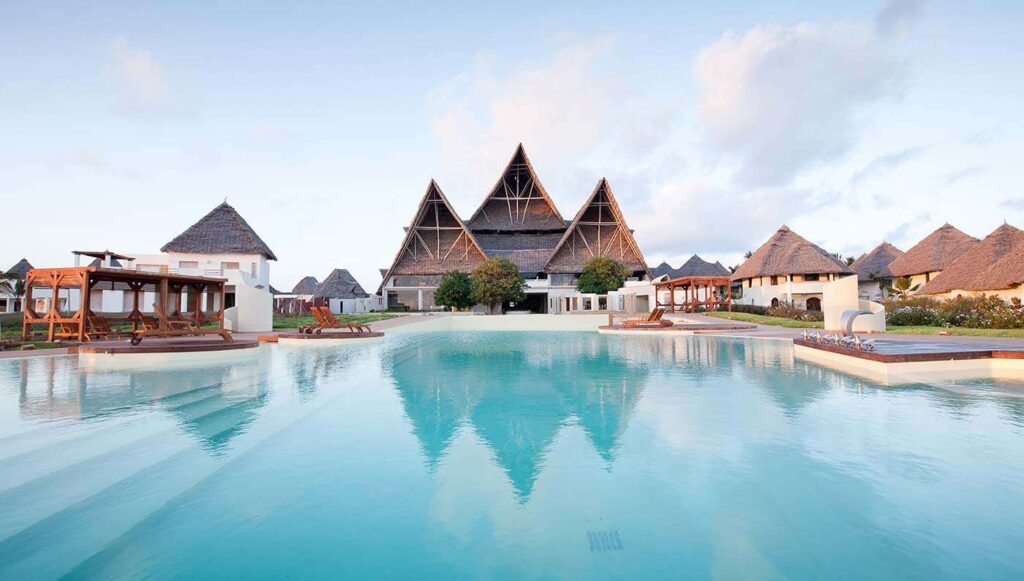
Both destinations offer a range of accommodation, from comfortable lodges and tented camps to luxury safari properties.
Visitors can stay along the crater rim, within the wider Ngorongoro Conservation Area or in nearby Karatu.
Crater-rim accommodation is popular because of its spectacular views and convenient access to the crater floor. Some properties offer panoramic views of the caldera, especially in the early morning.
Staying in Karatu is another option, particularly for travellers combining Ngorongoro with Tarangire or Lake Manyara. It provides access to a range of accommodation options at different price levels.
Tarangire has several safari lodges and tented camps inside and around the national park. Some properties are located near the river or within areas where wildlife regularly moves through the landscape.
Staying inside or close to the park can provide a more immersive safari experience, with the sounds and atmosphere of the African bush surrounding your accommodation.
Tarangire also has luxury tented camps offering comfortable rooms, private facilities, dining and guided safari arrangements.
Which destination has better accommodation?
Both offer excellent options. Ngorongoro is particularly attractive for crater-rim views, while Tarangire is ideal for travellers looking for a classic safari lodge or tented camp surrounded by wilderness.
The best choice depends on your preferred accommodation style, budget and itinerary.
Both destinations are accessible from Arusha, the main starting point for many northern Tanzania safaris.
Ngorongoro is located west of Arusha. The journey usually passes through the Great Rift Valley and the town of Karatu before reaching the Ngorongoro Conservation Area.
The final approach involves travelling through the highlands towards the crater rim. Visitors then descend to the crater floor for game drives.
Travellers can also access the wider conservation area through organised fly-in safari arrangements, depending on the itinerary and available airstrips.
Tarangire is located southwest of Arusha and is commonly accessed by road.
The drive from Arusha takes visitors through the Maasai Steppe before reaching the park’s entrance gates. The journey is relatively straightforward, making Tarangire a convenient destination for short northern Tanzania safaris.
Fly-in arrangements may also be possible through nearby airstrips, depending on the camp and safari itinerary.
Which is easier to access?
Tarangire is generally closer to Arusha and is convenient for travellers with limited time. Ngorongoro is also accessible by road, but its location further west means it is commonly combined with other destinations such as Lake Manyara and Serengeti.
The best destination depends on your interests, travel time and expectations.
| Type of traveller | Recommended destination | Why |
|---|---|---|
| First-time safari visitors | Ngorongoro Crater | High concentration of wildlife and excellent Big Five opportunities |
| Elephant lovers | Tarangire | Famous for its large elephant herds |
| Big Five enthusiasts | Ngorongoro Crater | Better opportunity to look for all five species |
| Wildlife photographers | Both | Ngorongoro offers dramatic scenery; Tarangire offers elephants and baobabs |
| Birdwatchers | Both | Different habitats support diverse birdlife |
| Travellers with limited time | Tarangire | Convenient access from Arusha |
| Travellers seeking dramatic landscapes | Ngorongoro Crater | Spectacular volcanic caldera and crater-rim views |
| Travellers seeking a quieter wilderness experience | Tarangire | Larger area with opportunities to explore beyond the busiest wildlife-viewing locations |
Yes. In fact, combining Ngorongoro Crater and Tarangire National Park is one of the best ways to experience the diversity of Tanzania’s northern safari circuit.
The two destinations complement each other because they offer different wildlife experiences and landscapes.
A suggested itinerary could include:
Day 1: Arusha to Tarangire National Park
Travel from Arusha to Tarangire for an afternoon game drive. Explore the park’s baobab landscapes and look for elephants, giraffes, zebras and other wildlife.
Day 2: Full-day Tarangire safari
Spend a full day exploring the park, with opportunities to visit different habitats and observe wildlife around the Tarangire River.
Day 3: Tarangire to Ngorongoro
Travel towards the Ngorongoro Conservation Area, enjoying the scenery along the way. Depending on your itinerary, you may stay near the crater rim or in the Karatu area.
Day 4: Ngorongoro Crater safari
Start early and descend into the crater for a game drive. Explore the grasslands, swamps and other habitats while looking for lions, elephants, buffaloes, rhinos and other wildlife.
This four-day itinerary offers a rewarding combination of elephant encounters, varied landscapes and excellent wildlife viewing.
Travellers with more time can extend their safari to include Serengeti National Park, Lake Manyara or other northern Tanzania destinations.
Both destinations offer exceptional safari experiences, but they are best suited to different interests.
Choose Ngorongoro Crater if your priority is seeing a wide variety of wildlife in a relatively short time. Its high wildlife concentration, spectacular volcanic landscape and Big Five opportunities make it one of Tanzania’s most rewarding safari destinations.
Choose Tarangire National Park if you are particularly interested in elephants, baobab trees and exploring a larger wilderness area. It is especially rewarding during the dry season, when wildlife gathers around the river and water sources.
If your schedule allows, visiting both is the best option. Combining the two destinations gives you a more complete northern Tanzania safari, with different landscapes, wildlife encounters and experiences.
Ngorongoro Crater is generally better for concentrated wildlife viewing and Big Five opportunities. Tarangire is better known for its large elephant herds, baobab trees and varied wilderness landscapes. The better destination depends on your safari interests.
Yes. Ngorongoro Crater is one of the best places in Tanzania to look for the Big Five: lions, leopards, elephants, buffaloes and black rhinos. However, sightings of every species are never guaranteed.
Yes. Tarangire is one of Tanzania’s most rewarding safari destinations, particularly for elephant sightings, birdwatching and beautiful baobab landscapes. It is especially attractive during the dry season.
One full day is usually sufficient for a crater-floor safari. Travellers who want to explore other attractions within the wider Ngorongoro Conservation Area may need additional time.
One to two days is a good starting point. One day allows visitors to experience the park’s main highlights, while two days provide more time to explore different areas and observe wildlife at a relaxed pace.
June to October is generally the best period for concentrated wildlife viewing. During these dry months, animals gather around the Tarangire River and other remaining water sources.
Yes. African elephants are among the animals found in the crater. Some of the most notable individuals are large old bulls with impressive tusks.
Ngorongoro is a popular safari destination, and the crater floor can become busy, particularly during peak travel periods. Its relatively small game-viewing area means several vehicles may gather around popular wildlife sightings.
Yes. Tarangire can be an excellent family safari destination, with opportunities to see elephants, giraffes, zebras and many other animals. Families should choose suitable accommodation and an itinerary that considers children’s ages and travel needs.
Yes. These destinations are commonly combined on northern Tanzania safari itineraries. The ideal duration depends on how much time you want to spend in each destination, your travel budget and the wildlife experiences you prefer.
Whether you choose the spectacular Ngorongoro Crater, the elephant-rich landscapes of Tarangire or both destinations, Tanzania offers unforgettable opportunities to experience Africa’s wildlife and natural beauty.
At Afrima Luxury Safaris, we can help you plan a safari around your interests, preferred travel dates and accommodation preferences. From private game drives to carefully selected luxury lodges and tented camps, we create safari experiences that allow you to discover Tanzania at your own pace.
Explore our Tanzania safari packages or contact us to plan a personalised journey through Ngorongoro, Tarangire and beyond.
There are no results matching your search
WhatsApp us