East Africa is home to two of Africa’s most remarkable mountains: Mount Kilimanjaro in Tanzania and Mount Kenya in Kenya. Both attract adventure travellers, hikers and mountaineers from around the world who want to experience spectacular mountain landscapes and challenge themselves at high altitude.
However, choosing between Mount Kilimanjaro and Mount Kenya is not always straightforward. One is the highest mountain in Africa, while the other is famous for its rugged peaks, alpine lakes and dramatic glacial valleys. They also offer different climbing experiences, with variations in difficulty, routes, altitude, scenery and technical requirements.
If you are planning a mountain adventure in East Africa, you may be wondering which mountain is easier to climb, which offers better scenery, where you have a better chance of reaching the summit, or which is more suitable for beginners.
In this guide, we compare Mount Kilimanjaro vs Mount Kenya to help you understand their differences and choose the best mountain for your next African adventure.
Mount Kilimanjaro and Mount Kenya are both located in East Africa, but they offer distinctly different mountain experiences.
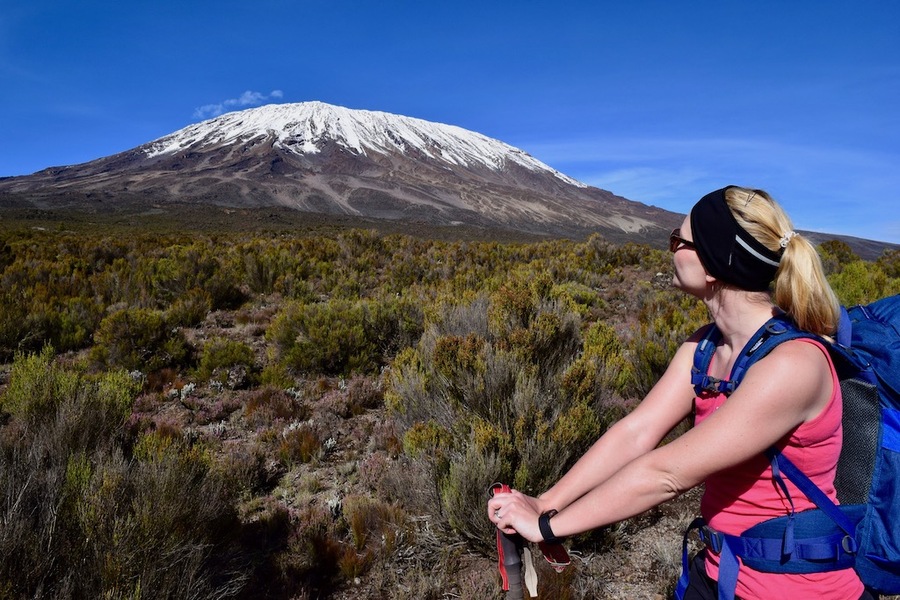
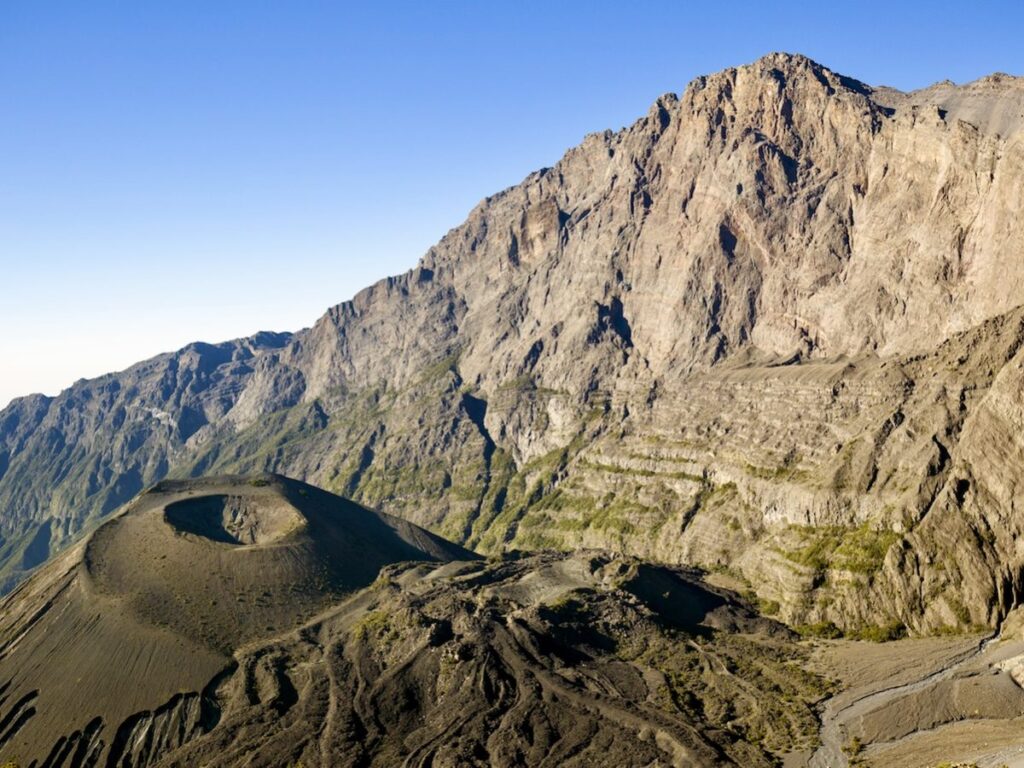
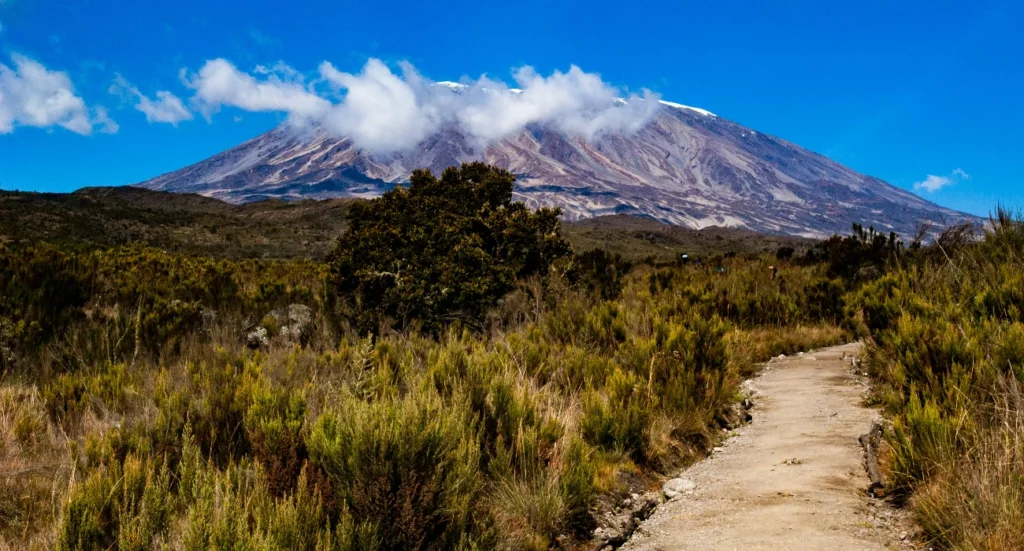
Mount Kilimanjaro is located in northeastern Tanzania, near the border with Kenya. Standing at 5,895 metres above sea level, it is the highest mountain in Africa and the world’s tallest free-standing mountain. It is a volcanic mountain consisting of three main peaks: Kibo, Mawenzi and Shira. Uhuru Peak, located on Kibo, is its highest point.
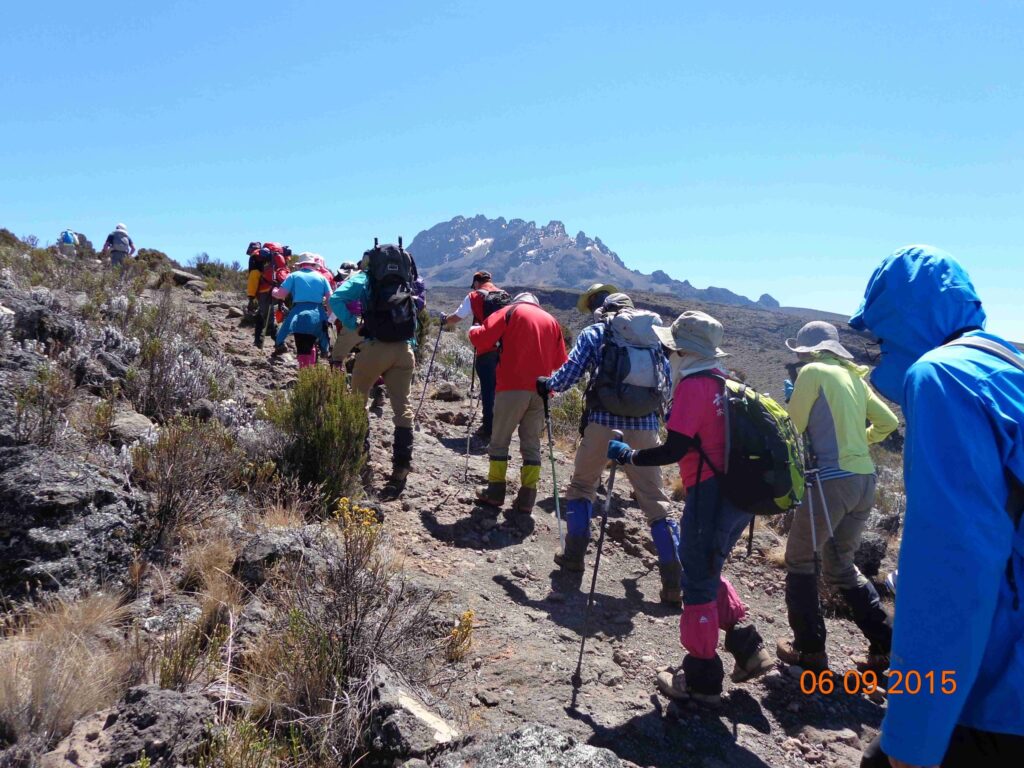
Kilimanjaro is particularly famous for its snow-capped summit, diverse vegetation zones and established trekking routes. Unlike many high mountains, reaching Uhuru Peak does not require technical rock climbing skills. However, the high altitude makes the journey physically demanding.
Mount Kenya is located in central Kenya, approximately 150 kilometres north of Nairobi. It is an ancient extinct volcano and Africa’s second-highest mountain, with its highest peak, Batian, reaching 5,199 metres.
Mount Kenya has three main peaks: Batian, Nelion and Point Lenana. While Batian and Nelion require technical mountaineering skills, Point Lenana, at approximately 4,985 metres, is the main trekking summit accessible to hikers without technical rock-climbing experience.
Mount Kenya is particularly famous for its jagged mountain peaks, alpine lakes, glaciers, dramatic valleys and unique high-altitude vegetation.
The main difference is that Kilimanjaro offers the opportunity to trek to the highest point in Africa, while Mount Kenya provides a more rugged alpine experience with both trekking and technical climbing opportunities.
Here is a quick comparison of the two mountains and what they offer climbers.
| Feature | Mount Kilimanjaro | Mount Kenya |
|---|---|---|
| Country | Tanzania | Kenya |
| Highest point | Uhuru Peak | Batian |
| Highest elevation | 5,895 metres | 5,199 metres |
| Main trekking summit | Uhuru Peak | Point Lenana |
| Trekking summit elevation | 5,895 metres | 4,985 metres |
| Mountain type | Dormant volcanic massif | Ancient extinct volcano |
| Technical climbing | Not required for Uhuru Peak | Required for Batian and Nelion |
| Trekking duration | Usually 6–9 days | Usually 4–6 days |
| Popular routes | Lemosho, Machame, Marangu, Rongai | Sirimon, Chogoria, Naro Moru |
| Landscape | Rainforest, moorland, alpine desert and glaciers | Forest, moorland, alpine lakes and glacial valleys |
| Difficulty | Moderate to challenging | Moderate to challenging |
| Best for | Reaching Africa’s highest point | Alpine scenery and varied mountain trekking |
Both mountains offer rewarding adventures, but your choice should depend on your climbing goals, fitness, available time and preferred mountain environment.
One of the biggest differences between Mount Kilimanjaro and Mount Kenya is their elevation.
Kilimanjaro stands at 5,895 metres, making it the highest mountain in Africa. Its summit, Uhuru Peak, is a major attraction for travellers who want to stand at the highest point on the continent.
Mount Kenya’s highest peak, Batian, stands at 5,199 metres. However, this is a technical climbing summit that requires specialist mountaineering skills and equipment.
Most ordinary trekkers visiting Mount Kenya aim for Point Lenana, which stands at approximately 4,985 metres.
This means the usual trekking summit on Kilimanjaro is approximately 910 metres higher than Point Lenana.
The summit experiences are also different. Reaching Uhuru Peak involves a demanding high-altitude ascent, often beginning around midnight so climbers can reach the summit around sunrise.
On Mount Kenya, the approach to Point Lenana also commonly begins during the night or very early morning, depending on the chosen route and itinerary.
Which offers a greater summit achievement?
If your goal is to reach the highest point in Africa, Kilimanjaro is the obvious choice. If you are interested in a more varied alpine environment and potentially technical mountaineering, Mount Kenya offers an exciting alternative.
Both mountains are physically demanding, but they challenge climbers in different ways.
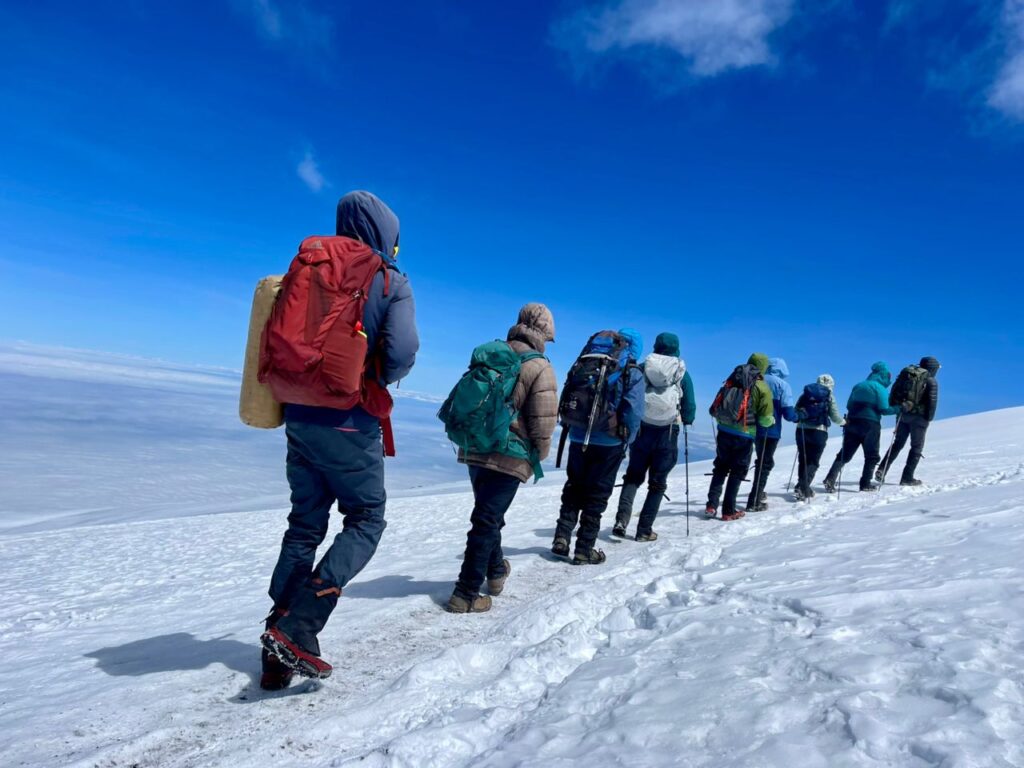
Kilimanjaro is generally considered a non-technical trekking mountain. You do not need ropes, harnesses or specialist rock-climbing skills to reach Uhuru Peak using the established trekking routes.
However, its altitude is the biggest challenge.
As you climb higher, the amount of available oxygen decreases, making walking more difficult and increasing the risk of altitude-related illness.
The final summit attempt is particularly demanding because of the high elevation, cold temperatures, steep terrain and limited oxygen.
A gradual climbing itinerary is essential, and longer routes generally provide better opportunities for acclimatisation.
Mount Kenya also offers non-technical trekking opportunities, particularly for climbers targeting Point Lenana.
However, the terrain can be more rugged in certain sections, with rocky paths, steep slopes, scree and challenging high-altitude conditions.
Climbers attempting Batian or Nelion face a completely different level of difficulty. These peaks require technical rock climbing skills, specialist equipment and experienced mountaineering support.
Which is harder?
For ordinary trekkers comparing Uhuru Peak with Point Lenana, Kilimanjaro presents a greater altitude challenge because of its higher summit. Mount Kenya can offer more rugged and technically demanding terrain on some trekking sections.
Neither mountain should be considered an easy hike, and both require proper physical preparation.
Both mountains have several established routes, each offering different landscapes and climbing experiences.
Lemosho Route: One of the most scenic routes, approaching Kilimanjaro from the western side. Its longer itineraries provide good opportunities for acclimatisation.
Machame Route: Commonly known as the Whiskey Route, it is popular for its beautiful scenery, varied landscapes and challenging hiking sections.
Marangu Route: Known as the Coca-Cola Route, it is the only main Kilimanjaro route offering sleeping huts instead of camping throughout the climb.
Rongai Route: Approaches Kilimanjaro from the northern side, offering a quieter climbing experience and generally drier conditions.
Northern Circuit: A longer route that circles much of the mountain and provides excellent opportunities for acclimatisation and spectacular mountain views.
Most Kilimanjaro routes take approximately six to nine days, depending on the selected itinerary.
Sirimon Route: Approaches Mount Kenya from the north-western side. It is popular for its gradual ascent and beautiful mountain landscapes.
Chogoria Route: Approaches from the eastern side and is particularly famous for its spectacular scenery, including alpine lakes, waterfalls and dramatic valleys.
Naro Moru Route: Approaches from the western side and is one of the more direct routes towards Point Lenana.
A popular option is combining two different routes, such as ascending through Sirimon and descending through Chogoria. This allows climbers to experience different sections of the mountain.
Mount Kenya trekking itineraries generally take four to six days, depending on the route and acclimatisation schedule.
Both mountains offer spectacular scenery, but their landscapes are noticeably different.
Kilimanjaro is famous for its remarkable ecological diversity. During the climb, you pass through several vegetation and climate zones.
These include:
One of Kilimanjaro’s most impressive features is the transition between these environments as you gain elevation.
The views from the higher slopes also provide spectacular panoramas of the surrounding Tanzanian plains.
Mount Kenya is particularly famous for its rugged mountain scenery.
Its landscape features dramatic rocky peaks, glacial valleys, alpine lakes, waterfalls and unique vegetation.
One of its most recognisable characteristics is the presence of giant groundsels and lobelias, which grow in the mountain’s high-altitude environment.
The mountain also contains several beautiful tarns and glacial formations that create impressive photographic opportunities.
Which has better scenery?
Mount Kenya is particularly attractive for climbers who appreciate dramatic alpine scenery, rocky peaks and mountain lakes. Kilimanjaro offers a more gradual journey through several distinct climate zones, with the unforgettable experience of reaching Africa’s highest summit.
Beauty is subjective, and both mountains are exceptional destinations for nature and adventure enthusiasts.
Both mountains support different ecosystems and wildlife species.
The lower slopes of Kilimanjaro contain extensive mountain forests that support a variety of wildlife.
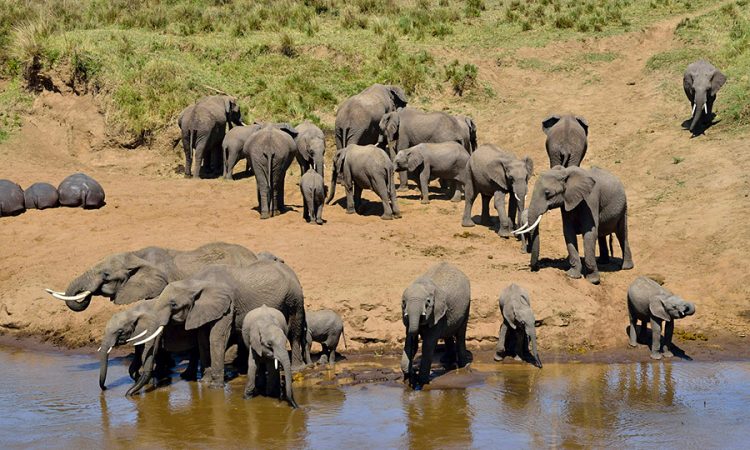
Animals found in the wider mountain environment include elephants, buffaloes, colobus monkeys, blue monkeys and various forest bird species.
Wildlife encounters become less common as climbers move towards the higher elevations, where vegetation becomes increasingly sparse.
Mount Kenya also supports diverse wildlife, particularly within its lower forest zones.
Visitors may encounter elephants, buffaloes, bushbucks, monkeys, hyenas and several bird species.
The mountain’s forests and alpine habitats are also important for numerous endemic and high-altitude plant species.
Both mountains are recognised for their ecological importance and remarkable biodiversity.
Accommodation is another difference worth considering when choosing between these two mountains.
Most Kilimanjaro routes involve camping in mountain tents throughout the climb.
Mountain crews transport camping equipment and prepare sleeping areas at designated campsites.
The Marangu Route is the main exception, offering communal mountain huts with shared sleeping facilities.
Before and after the climb, travellers generally stay in hotels or lodges in Arusha or Moshi.
Mount Kenya offers a combination of mountain huts, bunkhouses and camping arrangements, depending on the selected route and operator.
Some routes include established mountain huts, while others involve camping in designated areas.
Accommodation is generally more basic than the luxury lodges available at the foot of Kilimanjaro, so climbers should understand the arrangements before booking.
For both mountains, accommodation at high altitude is designed primarily for practical mountain trekking rather than luxury holidays.
Weather conditions can significantly affect the climbing experience on both mountains.
Kilimanjaro can be climbed throughout the year, but the most popular periods are generally:
The long rainy season usually occurs from March to May, while shorter rains commonly occur around November.
Mount Kenya is also best climbed during relatively dry periods.
The main recommended climbing seasons are:
Rainfall can make some trails slippery and more challenging, while cloud cover can reduce visibility.
Mountain weather is unpredictable, however, so climbers should always be prepared for cold temperatures, rain and changing conditions.
The cost of climbing either mountain depends on several factors, including the number of days, park fees, accommodation, guide services, mountain crew, meals, equipment and transportation.
Mount Kenya trekking packages are often less expensive because many itineraries are shorter and involve lower overall expedition costs.
Kilimanjaro climbs generally require more days, a larger support operation and substantial park-related fees, which can increase the total package price.
However, costs vary between operators and climbing itineraries. A shorter Kilimanjaro climb should not automatically be considered better value, particularly if it compromises acclimatisation.
When comparing packages, check whether the price includes:
For both mountains, choose an experienced, licensed operator that prioritises climber safety and fair treatment of mountain crews.
Both mountains can be climbed by beginners, provided they are physically prepared and choose appropriate itineraries.
However, the best choice depends on your personal goals.
Choose Mount Kilimanjaro if:
Choose Mount Kenya if:
For first-time high-altitude trekkers, both mountains require preparation and appropriate acclimatisation. Mount Kenya’s lower trekking summit does not eliminate the risks associated with altitude.
Yes! Travellers with sufficient time can combine both mountains in one East African adventure.
A combined itinerary allows you to experience Mount Kenya’s dramatic alpine landscapes before travelling to Tanzania to attempt the highest point in Africa.
For example, a 12–14-day adventure could include:
This is an illustrative itinerary rather than a recommended fixed schedule. A full Kilimanjaro climb generally requires additional days, and the overall trip should be planned around adequate recovery, acclimatisation and international or regional transfers.
Climbing Mount Kenya before Kilimanjaro may provide some exposure to altitude, but it does not guarantee acclimatisation or prevent altitude sickness. Proper rest and an appropriate Kilimanjaro ascent profile remain essential.
For travellers interested in exploring more of East Africa, the adventure can also be extended with wildlife safaris in Tanzania or Kenya.
Yes. Mount Kilimanjaro stands at 5,895 metres, while Mount Kenya’s highest peak, Batian, stands at 5,199 metres. Kilimanjaro is approximately 696 metres higher.
Both are challenging, but in different ways. Kilimanjaro presents a greater altitude challenge because of its higher summit, while some Mount Kenya routes and technical peaks involve more demanding terrain and mountaineering skills.
Yes. Beginners with reasonable fitness can trek to Point Lenana using established routes such as Sirimon or Chogoria. Batian and Nelion are technical climbing objectives and are not suitable for ordinary trekking beginners.
Yes. Previous mountaineering experience is not required to reach Uhuru Peak. However, proper physical preparation, experienced guides and sufficient acclimatisation time are important.
Both offer excellent hiking experiences. Kilimanjaro is ideal for travellers who want a longer high-altitude trekking adventure, while Mount Kenya offers beautiful alpine landscapes and different route combinations.
Most climbing itineraries take approximately six to nine days, depending on the route and acclimatisation schedule. Longer itineraries generally provide better opportunities for adjusting to altitude.
Most trekking itineraries to Point Lenana take approximately four to six days. Technical climbs to Batian and Nelion require separate expedition planning.
Yes. Point Lenana, at approximately 4,985 metres, is accessible through established trekking routes without technical rock-climbing skills. The higher peaks, Batian and Nelion, require technical mountaineering experience.
Mount Kenya is famous for its dramatic alpine scenery, rocky peaks and glacial valleys. Kilimanjaro is particularly impressive for its different climate zones, volcanic landscapes and snow-capped summit.
Yes. Both mountains can be included in one East African adventure, although sufficient time should be allocated for transfers, recovery and proper altitude acclimatisation.
Mount Kilimanjaro and Mount Kenya are two extraordinary mountains, each offering a different way to experience the natural beauty and adventure of East Africa.
If your dream is to stand at the highest point in Africa, Mount Kilimanjaro is the ultimate destination. Its spectacular landscapes, diverse climate zones and rewarding summit experience make it one of the world’s most memorable trekking adventures.
For travellers who prefer rugged alpine scenery, quieter trails and a combination of trekking and technical mountaineering opportunities, Mount Kenya is an excellent alternative.
At Afrima Luxury Safaris, we specialise in organising Mount Kilimanjaro climbing experiences with carefully planned routes, professional mountain guides and experienced support crews.
Whether you are a first-time climber, an experienced trekker or planning a private mountain adventure with friends, we can help you choose a suitable route and climbing schedule.
Explore our [Mount Kilimanjaro climbing packages] and start planning your journey to Uhuru Peak, the highest point in Africa.
Contact Afrima Luxury Safaris today and take the first step towards your Kilimanjaro adventure.
There are no results matching your search
WhatsApp us