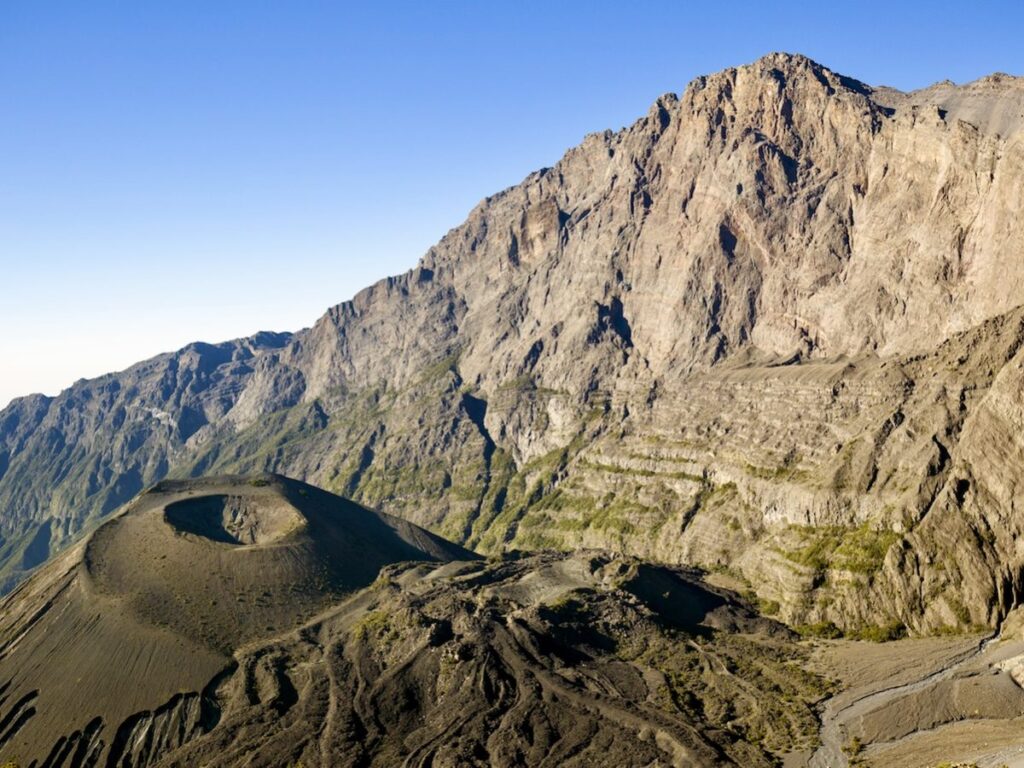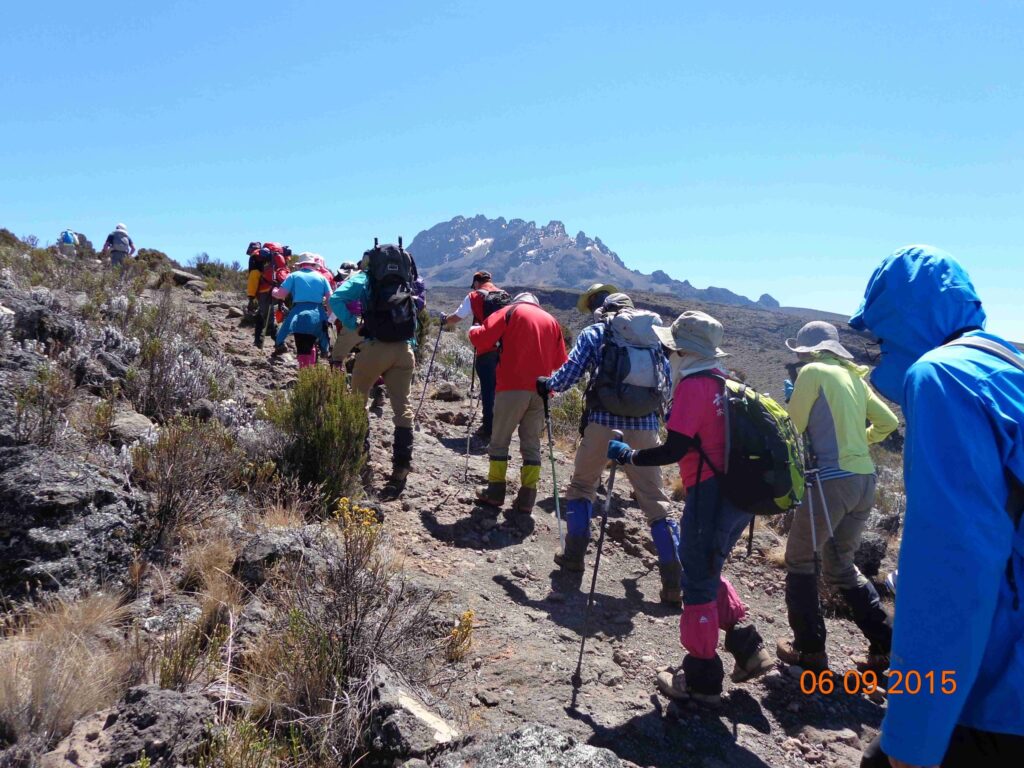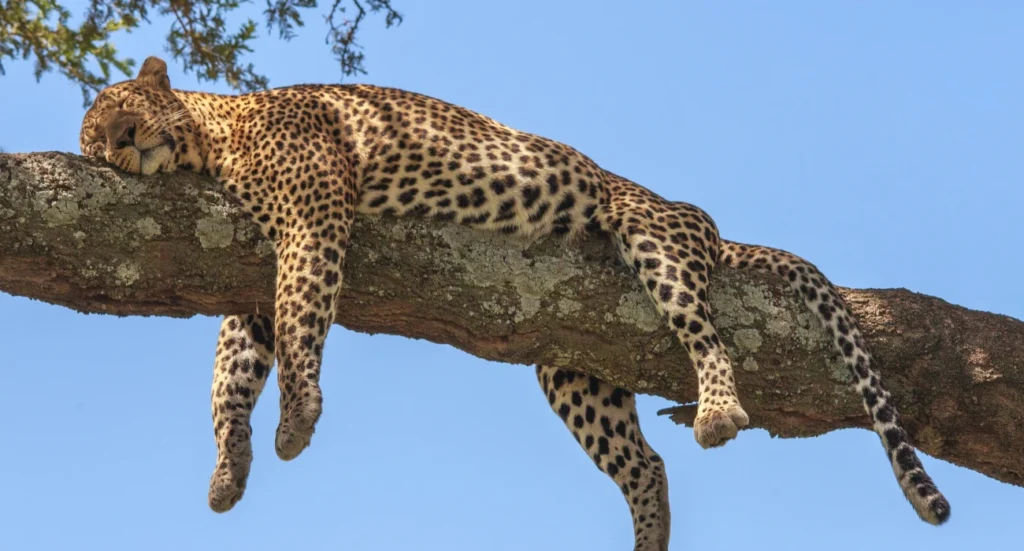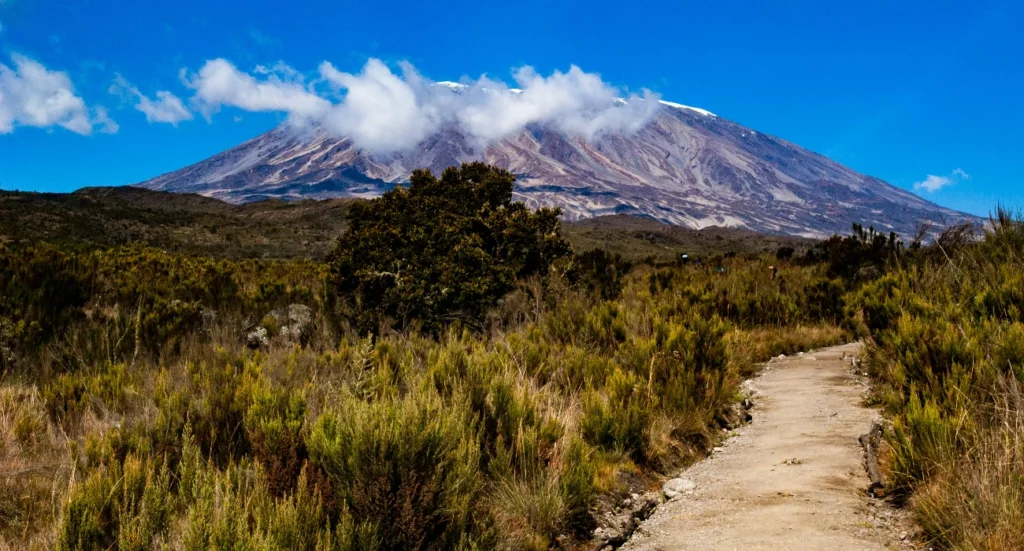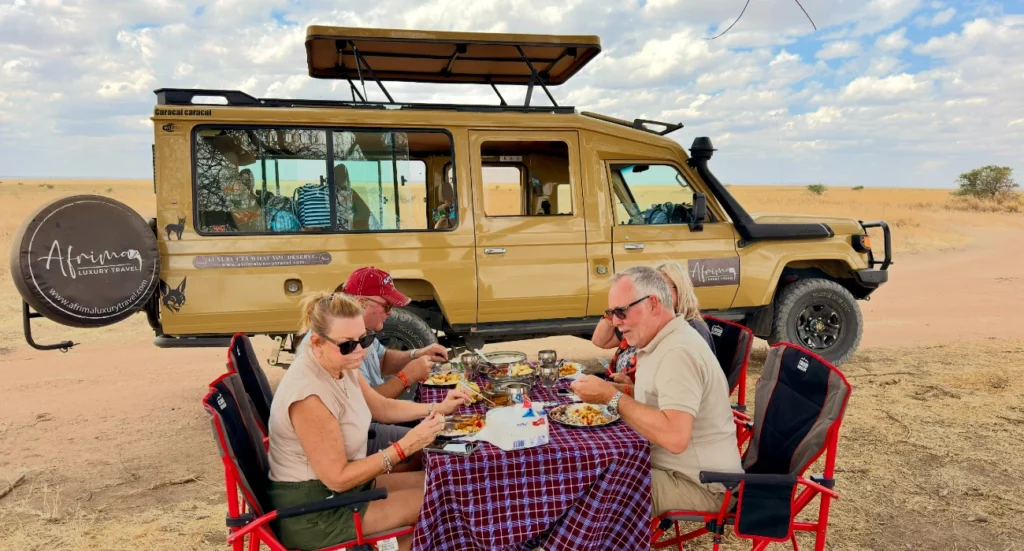
Tanzania is one of Africa’s most rewarding safari destinations, offering incredible wildlife, diverse landscapes and unforgettable experiences throughout the year. From watching lions hunt across the Serengeti plains to observing large elephant herds in Tarangire and exploring the spectacular Ngorongoro Crater, every season brings something different.
However, choosing the right time to visit can make a significant difference to your safari experience. Weather conditions, wildlife movements, the Great Migration, accommodation availability and travel costs all change throughout the year.
So, when is the best time to visit Tanzania for a safari? Should you travel during the dry season to enjoy excellent wildlife viewing, or choose the green season for beautiful landscapes and fewer visitors?
The answer depends on what you want to experience.
Generally, June to October is the best period for traditional dry-season wildlife viewing, while January to March is particularly rewarding for the Great Migration calving season in the southern Serengeti. Other months also offer excellent opportunities, especially for travellers who prefer quieter parks and more flexible travel arrangements.
This guide explains the best time to visit Tanzania month by month, helping you choose the right season for your safari.
Tanzania is a year-round safari destination. Its national parks support wildlife throughout the year, although animal movements and viewing conditions change with the seasons.
The most popular safari period is the dry season, which generally runs from June to October. During these months, vegetation becomes thinner, rainfall is limited and animals often gather around permanent water sources. These conditions make wildlife easier to spot in many parks.
The green season, which includes the rainy periods from November to May, offers a different experience. Landscapes become greener, migratory birds arrive and the southern Serengeti hosts the famous wildebeest calving season.
Here is a quick overview:
| Travel period | General conditions | Main safari highlights |
|---|---|---|
| January | Warm, generally favourable conditions | Calving season begins in the southern Serengeti |
| February | Warm, with occasional rainfall | Wildebeest calving and predator activity |
| March | Rainfall generally increases | Late calving season and green landscapes |
| April | Long rainy season | Quiet parks and lush scenery |
| May | Long rains gradually ease | Fewer visitors and greener landscapes |
| June | Dry season begins | Excellent wildlife viewing and migration movement |
| July | Dry and relatively cool | Migration in the western and northern Serengeti |
| August | Dry season | Northern Serengeti and possible Mara River crossings |
| September | Dry season | Excellent wildlife viewing and migration opportunities |
| October | Dry conditions gradually change | Good wildlife viewing before the short rains |
| November | Short rains begin | Green landscapes and migratory birds |
| December | Short rains, with changing conditions | Wildlife viewing and movement towards southern Serengeti |
The important thing to remember is that there is no single best month for every safari. The right time depends on the parks you want to visit and the wildlife experiences you hope to enjoy.
Before looking at each month individually, it helps to understand Tanzania’s main weather seasons.
The dry season is the most popular period for Tanzania safaris. Rainfall is generally limited, vegetation becomes thinner and wildlife is often easier to observe.
As water sources become less available across the landscape, animals tend to concentrate around permanent rivers, waterholes and swamps.
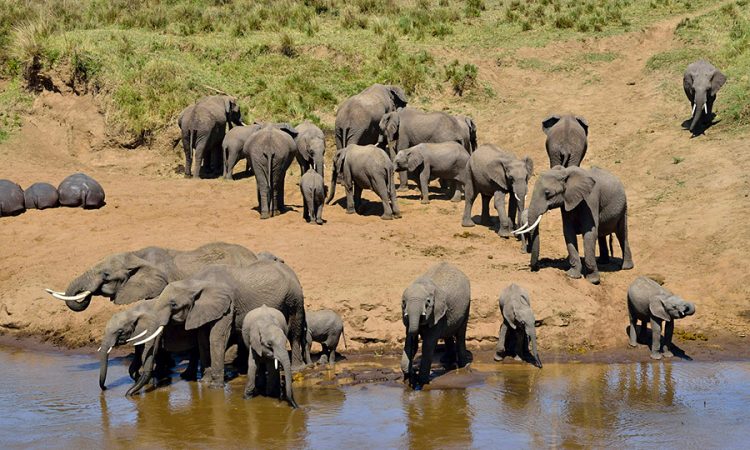
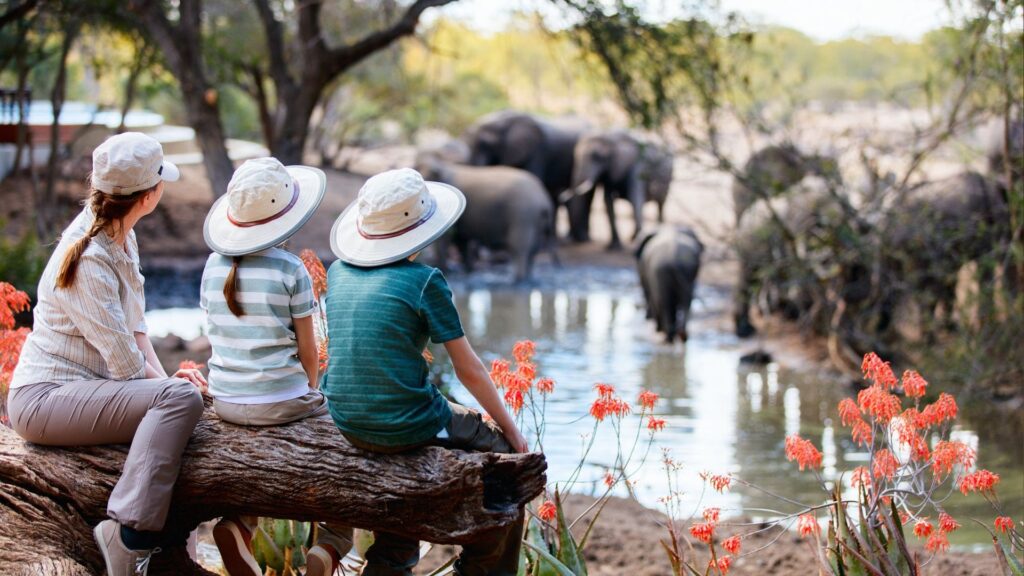
This is particularly rewarding in destinations such as Tarangire National Park, where large elephant herds gather around the Tarangire River during the dry months.
The dry season is also an important period for following the Great Migration in the Serengeti. Depending on rainfall and grazing conditions, the herds move through the western and northern parts of the ecosystem.
Why visit during the dry season?
The main disadvantage is that this is a popular travel period. Accommodation in sought-after locations can become expensive and should be booked well in advance.
The green season brings changing landscapes, seasonal rainfall and different wildlife experiences.
It includes the short rains, which generally occur from November to December, and the longer rainy period, usually from March to May in northern Tanzania.
January and February are often relatively drier between these rainfall periods in the northern circuit, although occasional showers can still occur.
The green season is particularly rewarding for visitors interested in birdwatching, photography and the Great Migration calving season.
Why visit during the green season?
The main disadvantage is that heavy rainfall during April and May can affect road conditions, travel times and accommodation availability. Some seasonal camps may also close.
Each month offers a different safari experience. Below is a detailed guide to what you can expect throughout the year.
<escape> </escape>
January is an excellent month for visiting Tanzania, particularly if you want to experience the beginning of the wildebeest calving season.
The southern Serengeti and Ndutu plains attract large numbers of wildebeest as the herds gather on nutrient-rich grasslands. Many animals give birth during this period, attracting predators such as lions, cheetahs and hyenas.
The weather is generally warm, with relatively favourable conditions between the main rainy periods in northern Tanzania.
Safari highlights in January:
Best destinations: Southern Serengeti, Ndutu, Ngorongoro Conservation Area and central Serengeti.
Who should visit? January is particularly suitable for wildlife photographers, families and travellers interested in the Great Migration and newborn animals.
February is one of the most rewarding months for a safari in Tanzania, especially in the southern Serengeti.
The wildebeest calving season is usually at its most active around the Ndutu plains and surrounding grasslands. Large numbers of newborn calves attract predators, creating excellent opportunities to observe natural wildlife behaviour.
The weather is generally warm, and the landscapes remain green. Rainfall can occur, but conditions are often suitable for game drives.
Safari highlights in February:
Best destinations: Ndutu, southern Serengeti, central Serengeti and Ngorongoro.
Who should visit? February is ideal for travellers who want to experience the Great Migration calving season and observe predator-prey interactions.
March is a transitional month in Tanzania. The wildebeest calving season may continue during the early part of the month, while rainfall generally becomes more frequent as the long rainy season approaches.
The southern Serengeti can still offer rewarding wildlife viewing, although the migration herds may gradually begin moving towards other parts of the ecosystem.
The landscapes remain green, and the changing weather creates excellent opportunities for nature photography.
Safari highlights in March:
Best destinations: Southern and central Serengeti, Ngorongoro Crater and Lake Manyara.
Who should visit? March is suitable for flexible travellers who enjoy green-season scenery and do not mind occasional rainfall.
April is generally one of the wettest months in northern Tanzania. Rainfall can be frequent, and some unpaved roads may become muddy or difficult to navigate.
However, this does not mean that a safari is impossible.
The landscapes are exceptionally green, wildlife is still present and visitor numbers are often lower in many areas. Travellers who enjoy quieter experiences may find this period appealing.
Some seasonal camps and lodges close during the long rains, so accommodation availability should be checked carefully.
Safari highlights in April:
Best destinations: Ngorongoro Crater, central Serengeti and selected northern circuit areas, depending on road and camp conditions.
Who should visit? April is better suited to flexible travellers who prioritise scenery, value and quieter safari experiences over consistently dry weather.
May is generally part of the long rainy season, although rainfall patterns vary from year to year and between destinations.
The scenery remains green, and the parks can offer beautiful photography conditions. Wildlife viewing is still possible, particularly in areas with resident animal populations.
Towards the end of May, conditions may begin to improve as the region transitions towards the dry season.
Some camps may remain closed or operate with limited services, so it is important to confirm availability before booking.
Safari highlights in May:
Best destinations: Ngorongoro Crater, central Serengeti and other areas with suitable access and operating camps.
Who should visit? May is a good option for travellers looking for quieter safari experiences and who can be flexible with their itinerary.
June marks the beginning of one of Tanzania’s most popular safari periods.
Rainfall generally decreases, the landscapes begin to dry and wildlife viewing becomes increasingly rewarding.
In the Serengeti, the Great Migration herds move through the western corridor and other areas depending on the availability of grazing. The Grumeti River region can offer interesting opportunities to follow the migration.
Temperatures are generally pleasant during the day, although early morning game drives can be cold.
Safari highlights in June:
Best destinations: Serengeti, Ngorongoro Crater, Tarangire and Lake Manyara.
Who should visit? June is an excellent choice for travellers who want dry-season wildlife viewing without travelling during the busiest part of the year.
July is one of the best months for a traditional Tanzania safari.
Dry conditions make wildlife easier to observe in many parks. The Great Migration herds may move into the northern Serengeti, although their location depends on seasonal rainfall and grazing conditions.
This is also when travellers begin focusing on the possibility of witnessing wildebeest crossing the Mara River.
River crossings are unpredictable natural events. Herds may gather near the river for days before crossing, and not every safari will witness one.
Safari highlights in July:
Best destinations: Northern and central Serengeti, Ngorongoro Crater and Tarangire.
Who should visit? July is particularly suitable for first-time safari visitors, wildlife photographers and travellers interested in the Great Migration.
August is one of the most popular months for visiting Tanzania.
The northern Serengeti is an important area to explore if you want to follow the Great Migration and look for opportunities to witness Mara River crossings.
Large herds may gather around the river, but crossing activity is influenced by weather, grazing and animal behaviour. There is no guaranteed date or time for a crossing.
Elsewhere, dry conditions provide excellent wildlife viewing opportunities.
Safari highlights in August:
Best destinations: Northern Serengeti, central Serengeti, Ngorongoro Crater and Tarangire.
Who should visit? August is ideal for travellers who want a classic dry-season safari and have the Great Migration high on their wish list.
September continues the dry-season safari experience, with generally favourable weather and good wildlife visibility.
The northern Serengeti remains an important area for following the Great Migration. Depending on conditions, the herds may continue gathering around the Mara River and surrounding grasslands.
Tarangire is also particularly rewarding because animals continue concentrating around permanent water sources.
Safari highlights in September:
Best destinations: Northern Serengeti, Tarangire, Ngorongoro Crater and central Serengeti.
Who should visit? September is an excellent choice for travellers who want good wildlife visibility and opportunities to follow the migration.
October is generally a rewarding month for Tanzania safaris.
The dry season continues across much of the country, although short rains may begin towards the end of the month in some areas.
Wildlife viewing remains excellent in many destinations. In the Serengeti, the migration may still be in the northern areas or begin moving towards the central and western regions.
Tarangire also continues to offer good wildlife viewing as animals gather around available water sources.
Safari highlights in October:
Best destinations: Serengeti, Tarangire and Ngorongoro Crater.
Who should visit? October is suitable for travellers who want strong wildlife viewing while travelling towards the end of the main dry season.
November marks the beginning of the short rainy season in northern Tanzania.
Rain often comes in the form of afternoon showers, although weather conditions can vary. The landscape gradually becomes greener, creating attractive scenery for photography.
The Great Migration herds generally begin moving southwards towards the Serengeti’s central and southern areas as new grass becomes available.
Migratory birds also arrive, making this an excellent time for birdwatching.
Safari highlights in November:
Best destinations: Central Serengeti, Ngorongoro Crater, Lake Manyara and selected southern Serengeti areas.
Who should visit? November is a good option for travellers who prefer greener scenery, birdwatching and potentially better accommodation value.
December is a popular month for holiday travel, particularly around Christmas and New Year.
The short rains may continue, although many days still offer suitable conditions for game drives.
The Great Migration herds generally move towards the southern Serengeti and Ndutu plains as they prepare for the next calving season.
Wildlife remains present throughout the northern safari circuit, and the changing landscapes provide excellent photographic opportunities.
Safari highlights in December:
Best destinations: Serengeti, Ngorongoro Crater, Tarangire and Lake Manyara.
Who should visit? December is ideal for families, couples and travellers planning a festive-season safari. Book early if travelling around Christmas and New Year.
Although the general safari seasons provide a useful guide, individual parks have different wildlife patterns and landscapes.
Choosing the right destination for your travel dates is just as important as choosing the month.
The Serengeti is a year-round safari destination, but the best area to visit changes as the Great Migration moves across the ecosystem.
These are broad seasonal patterns, not fixed migration dates. Rainfall and grazing conditions influence where the herds travel each year.
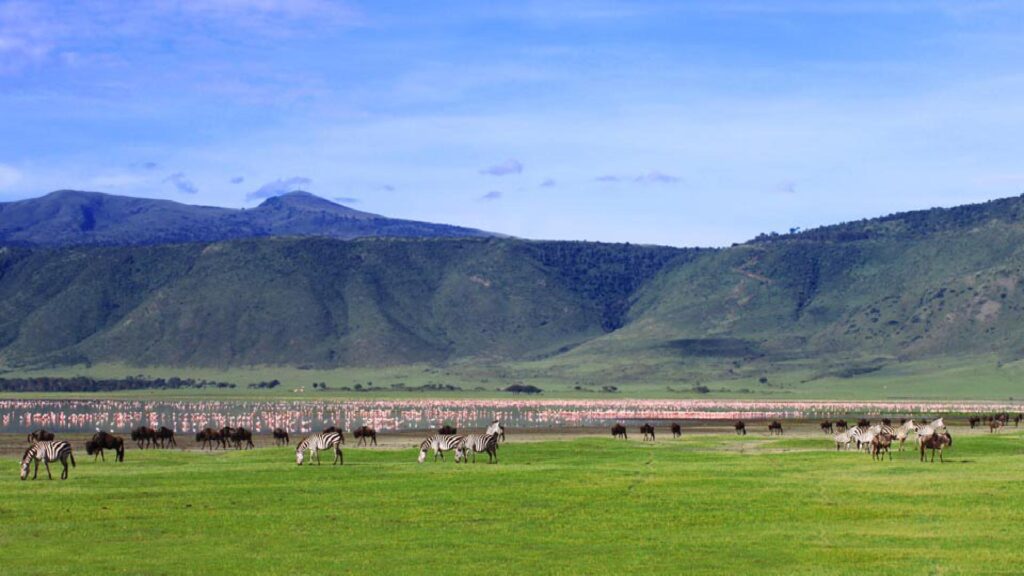
Ngorongoro Crater offers good wildlife viewing throughout the year.
Its resident wildlife population makes it a reliable destination regardless of the Great Migration’s location.
The dry months from June to October generally offer favourable game-viewing conditions. However, the green season can also be rewarding, with beautiful scenery and excellent opportunities for wildlife photography.
Tarangire is particularly rewarding during the dry season, generally from June to October.
As seasonal water sources disappear, elephants and other animals gather around the Tarangire River and remaining water sources.
During the wetter months, wildlife becomes more dispersed as animals move into surrounding areas with fresh grazing and water.
Lake Manyara can be visited throughout the year.
The green season offers attractive scenery, seasonal birdlife and beautiful views of the lake and surrounding forests.
During the dry season, wildlife viewing can also be rewarding, although animal distribution changes with water availability and vegetation.
For travellers interested in Tanzania’s southern safari circuit, June to October is generally the most rewarding period.
Dry-season conditions help concentrate wildlife around rivers and other permanent water sources.
The green season can be more challenging because of rainfall, road conditions and the availability of some camps.
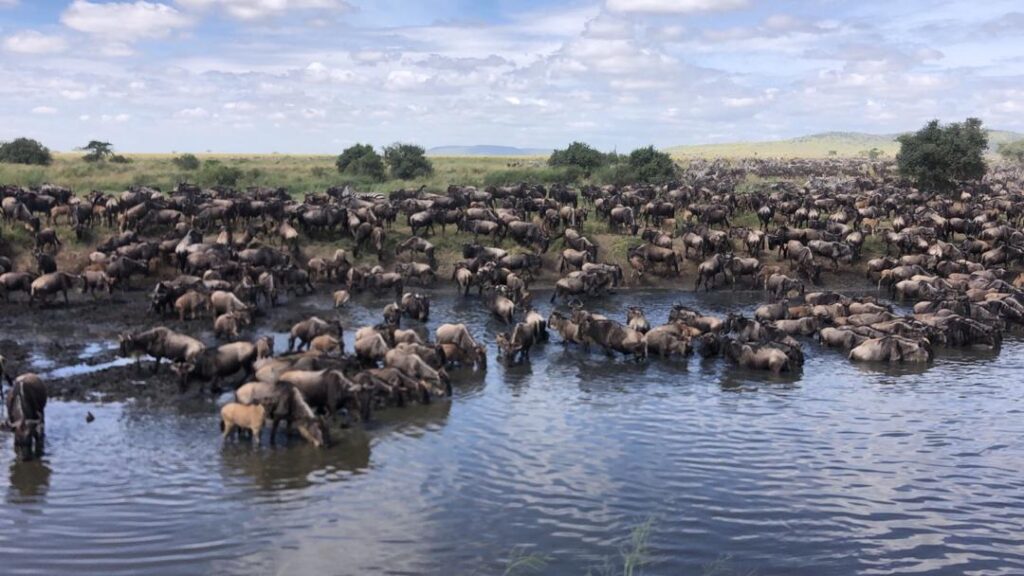
The Great Migration is one of Africa’s most extraordinary wildlife events. Each year, approximately two million wildebeest, zebras and gazelles move through the Serengeti ecosystem in search of fresh grazing and water.
The migration is a continuous annual cycle rather than a single event. Its location changes throughout the year, which means the best destination depends on when you plan to travel.
Here is a general guide:
| Period | Typical migration location | Main highlight |
|---|---|---|
| January–March | Southern Serengeti and Ndutu | Wildebeest calving and predator activity |
| April–May | Southern and central Serengeti, moving northwest | Herd movements and green-season landscapes |
| June | Western and central Serengeti | Migration movement and Grumeti region |
| July–October | Northern Serengeti | Possible Mara River crossings |
| November–December | Central and southern Serengeti | Herds moving towards the calving grounds |
January to March is generally the best period to experience the calving season in the southern Serengeti and Ndutu area.
Large numbers of wildebeest give birth during this period, attracting predators and creating excellent wildlife photography opportunities.
July to October is generally the main period to look for Mara River crossings in the northern Serengeti.
However, crossings are unpredictable. Herds may gather near the river without crossing immediately, and their movements can change depending on rainfall and grazing conditions.
Travellers should plan around the general migration season rather than expecting a crossing on a particular day.
If your main priority is saving money, consider travelling outside the busiest safari months.
The peak dry season, particularly July to September, attracts many international visitors. Popular lodges and tented camps can have higher rates, and the best accommodation options may sell out well in advance.
The green season can provide better value, particularly during April and May and some periods in November.
However, lower prices come with trade-offs. Rainfall may affect road conditions, some camps may close and wildlife can be more dispersed in certain parks.
Here is a general guide:
| Travel period | Visitor demand | General cost expectation |
|---|---|---|
| January–February | High in migration areas | Moderate to high |
| March | Moderate | Moderate |
| April–May | Lower in many safari areas | Often better value |
| June | Increasing | Moderate to high |
| July–September | Very high | Generally highest |
| October | High | Moderate to high |
| November | Lower to moderate | Often better value |
| December | High around holidays | High during festive periods |
Actual prices depend on accommodation, safari duration, destinations, group size and travel dates.
For travellers with flexible schedules, March, November and some parts of the green season can offer an attractive balance between wildlife experiences and accommodation value.
Different travellers have different priorities. Some want to see the Great Migration, while others prefer excellent Big Five viewing, photography, birdwatching or a more private safari experience.
| Traveller type | Recommended period | Why |
|---|---|---|
| First-time safari visitors | June–October | Dry conditions and generally excellent wildlife viewing |
| Great Migration enthusiasts | January–March or July–October | Calving season or northern migration activity |
| Wildlife photographers | January–February and June–October | Calving, predator activity and dry-season visibility |
| Birdwatchers | November–April | Migratory birds and breeding activity |
| Budget-conscious travellers | April–May and November | Potentially better accommodation value |
| Families | June–October and December | Generally favourable safari conditions and holiday options |
| Elephant enthusiasts | June–October | Excellent opportunities in Tarangire |
| Travellers seeking quieter parks | April–May and November | Lower visitor numbers in many areas |
| Safari and Zanzibar travellers | June–October or January–February | Good opportunities to combine wildlife and beach experiences |
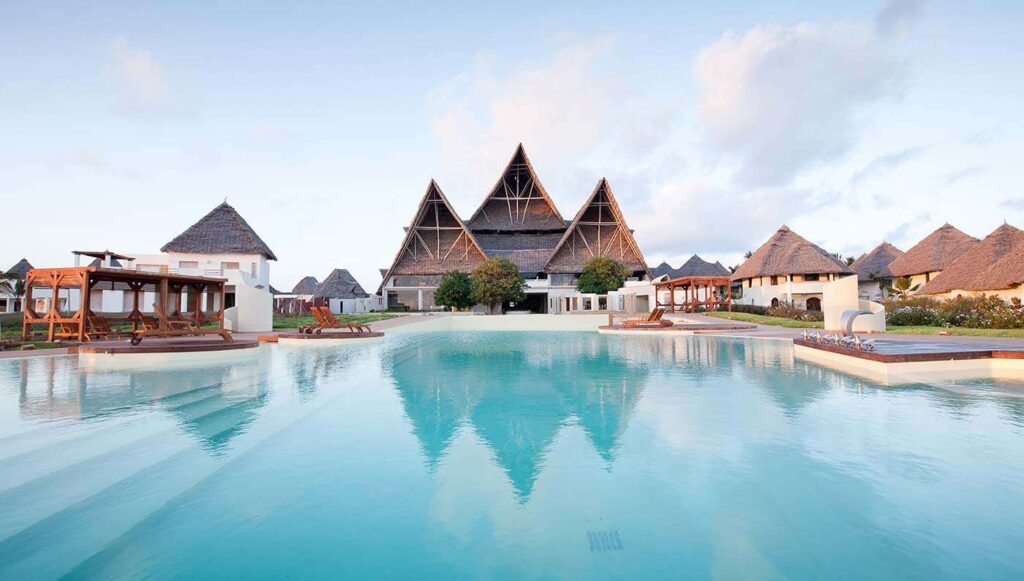
Yes. Combining a wildlife safari with a Zanzibar beach holiday is one of the most rewarding ways to experience Tanzania.
The ideal time depends on the kind of safari and beach experience you prefer.
This is an excellent period for combining a northern Tanzania safari with Zanzibar.
The mainland generally experiences dry-season conditions, while Zanzibar usually offers relatively dry, sunny weather and pleasant beach conditions.
You can spend several days exploring Serengeti, Ngorongoro and Tarangire before flying to Zanzibar for relaxation.
January and February are also attractive months for combining a safari and beach holiday.
You can experience the Great Migration calving season in the southern Serengeti before travelling to Zanzibar for warm beach weather.
These months are part of the long rainy season in much of northern Tanzania and Zanzibar.
Although travel is still possible, rainfall can affect outdoor activities and beach plans. Some safari camps and coastal properties may also have seasonal operating arrangements.
If your main priority is a beach holiday, June to October and January to February are generally better periods to consider.
Your packing list should reflect the season and destinations included in your itinerary.
During the dry season, lightweight clothing, sunglasses, sunscreen and a hat are essential. Early morning game drives can be cold, particularly in Ngorongoro and other highland areas, so bring a warm jacket or fleece.
During the green season, add a lightweight waterproof jacket and suitable footwear. A small waterproof cover for your camera and electronics can also be useful.
Regardless of when you travel, consider bringing:
If your itinerary includes domestic flights, check the airline’s luggage restrictions before packing.
The best time to book depends on the season, destination and accommodation category.
During popular periods, particularly July to September, luxury lodges and tented camps in the Serengeti can become fully booked months in advance.
If you are planning a Great Migration safari, booking early is especially important because the best accommodation locations are often limited.
As a general guide:
These are planning recommendations rather than guaranteed availability windows. Special accommodation, private camps and larger groups may require more advance planning.
If you want the easiest answer, June to October is generally the best period for a traditional Tanzania safari.
These months offer favourable weather, good wildlife visibility and excellent opportunities to explore the northern safari circuit.
However, if your main interest is the Great Migration calving season, January and February may be better choices.
If you prefer greener landscapes, birdwatching and potentially better accommodation value, consider November or the green-season months.
The best month ultimately depends on your priorities:
Rather than choosing travel dates based only on the weather, consider the wildlife experience you want and select the right destinations for that period.
July to September is generally excellent for dry-season wildlife viewing. January and February are particularly rewarding for the Great Migration calving season in the southern Serengeti.
Yes. Tanzania is a year-round safari destination. Wildlife is present throughout the year, although weather conditions, animal movements and viewing opportunities change between seasons.
The best time depends on the part of the migration you want to experience. January to March is generally best for calving in the southern Serengeti, while July to October offers opportunities to follow the herds in the northern Serengeti and look for Mara River crossings.
June to October generally offers excellent wildlife-viewing conditions across many safari destinations. Ngorongoro Crater is a particularly rewarding place to look for the Big Five throughout the year.
Yes. January is a good month, particularly for travellers interested in the Great Migration calving season, green landscapes and predator activity in the southern Serengeti.
Yes. February is one of the best months for experiencing wildebeest calving in the southern Serengeti and Ndutu area. It also offers excellent wildlife photography opportunities.
Not necessarily. April is part of the long rainy season, so rainfall can affect roads, travel conditions and some accommodation operations. However, the landscapes are green, visitor numbers can be lower and wildlife remains present.
Yes. June marks the beginning of the main dry season and is an excellent month for wildlife viewing. It can also offer opportunities to follow the Great Migration as the herds move through the western and central Serengeti.
July to October is generally the period when travellers have opportunities to witness Mara River crossings in the northern Serengeti. August and September are popular months, but crossing activity is unpredictable and cannot be guaranteed.
April and May often offer some of the best accommodation value because of the long rains and lower visitor demand. November can also offer attractive rates. Prices vary depending on the lodge, destination and travel dates.
June to October is generally the best period for concentrated wildlife viewing in Tarangire. During the dry season, elephants and other animals gather around the Tarangire River and remaining water sources.
Ngorongoro Crater can be visited throughout the year. June to October generally offers favourable dry-season conditions, but the crater also provides excellent wildlife opportunities during the green season.
Yes. June to October and January to February are generally attractive periods for combining a mainland safari with a Zanzibar beach holiday. Both regions offer different experiences, making them a rewarding combination.
No. Rainfall varies by location and season. Short rains often come as brief showers, while the long rains can bring more frequent and sustained rainfall. Weather conditions can change from one year to another.
A safari of 5–7 days is a good starting point for exploring several northern Tanzania destinations. Travellers who want to spend more time in the Serengeti or follow the Great Migration may benefit from 8–10 days or longer.
Choosing the right travel dates is one of the most important steps in planning a memorable safari. Whether you want to witness the Great Migration in the Serengeti, explore the wildlife-rich Ngorongoro Crater, watch elephants in Tarangire or combine your safari with a Zanzibar beach holiday, Tanzania offers rewarding experiences throughout the year.
At Afrima Luxury Safaris, we help travellers select the right destinations, accommodation and travel periods based on their interests and available time.
Our team can help you plan a personalised safari that considers seasonal wildlife movements, weather conditions and the experiences you want most.
Contact Afrima Luxury Safaris to start planning your Tanzania safari adventure.
There are no results matching your search
WhatsApp us